Do olives raise uric acid? Can you eat olives with gout?
No. Olives are low in purines and olive oil has none to speak of, so people with gout can eat both. The real limit is salt, for blood pressure.
No. There is no evidence that olives raise uric acid. Olives belong with the low-purine plant foods, and olive oil is almost pure fat, so it is not a source of purines at all. People with gout can eat both. What matters with table olives is salt, not purines. Olives do not treat gout, and no human study shows that green olives are "good for gout".
How much purine is in an olive?
Uric acid is what the body makes when it breaks down purines. Some purines come from the body's own cells and some from food. That is why gout diet advice usually starts with one number: milligrams of purine per 100 grams of food.
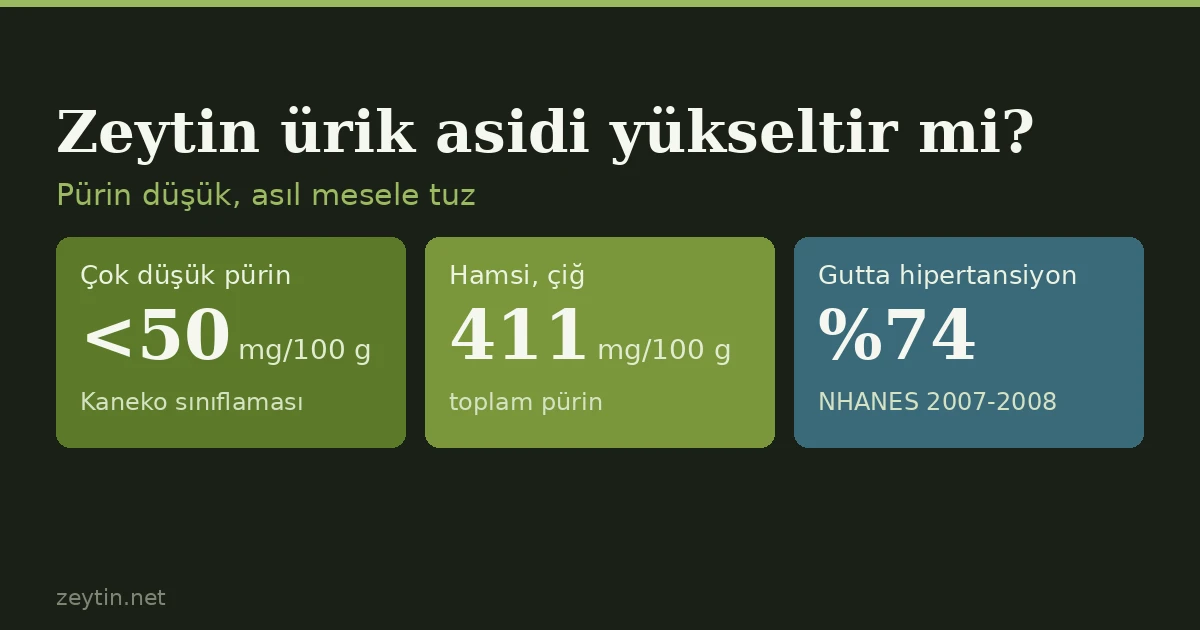
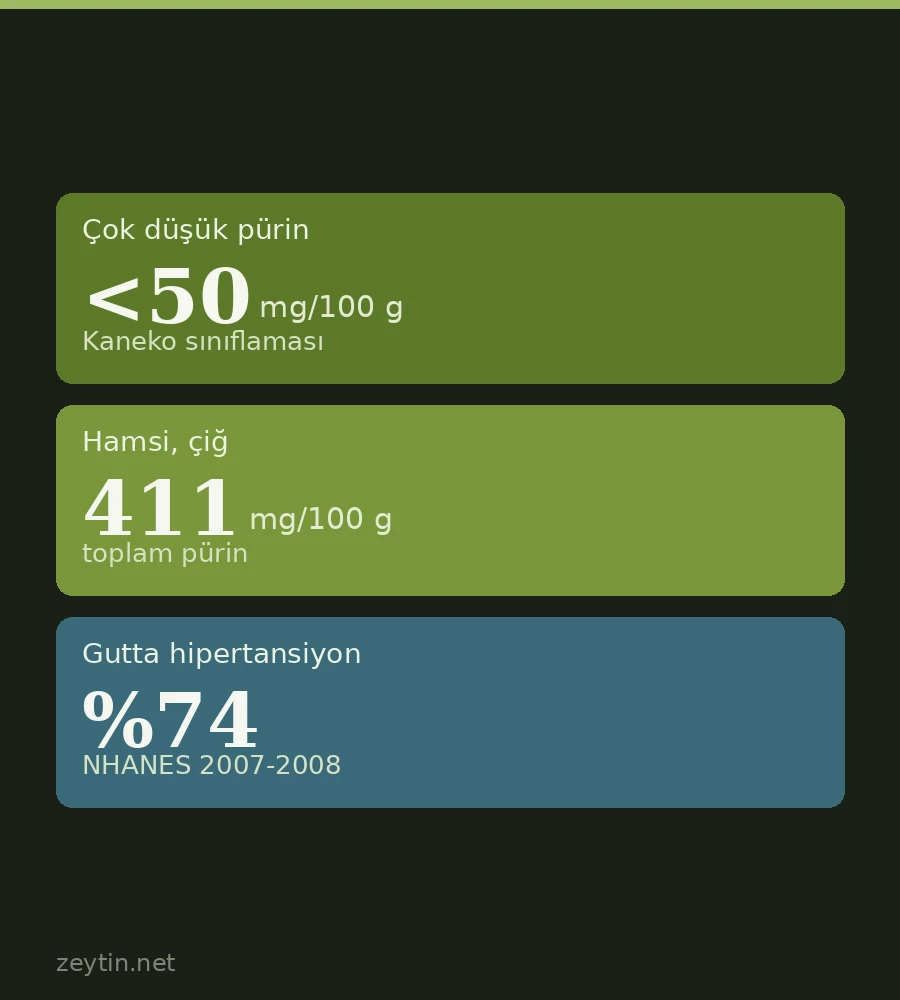
We could not find a measured value for olives. The purine database that the US Department of Agriculture and the National Institutes of Health released in March 2025 covers 462 foods, and olives are not one of them. They are also missing from the 2014 table in which Kaneko and colleagues measured 270 foods (Biological and Pharmaceutical Bulletin).
Two things help place olives anyway. The UK Gout Society's diet guide lists fruit and vegetables in general as low-purine foods. The only exceptions it names are a few vegetables (asparagus, cauliflower, spinach), which it puts in the moderate group. Kaneko's classification calls any food with less than 50 mg of purine per 100 g "very low". The vegetables that usually share a plate with olives fall into that bracket in the same tables, including pickles, cucumber and tomato. For context, the Japanese recommendation for preventing gout and high uric acid is less than 400 mg of dietary purine a day.
| Food | Total purine | Measured |
|---|---|---|
| Anchovy, dried | 1,109 | Japan, 2014 |
| Anchovy, raw | 411 | USA, 1976 |
| Sardine, raw | 345 | USA, 1976 |
| Chicken breast, raw | 289 | USA, 2024 |
| Chicken liver, raw | 243 | USA, 1976 |
| Lentils, dried, raw | 222 | USA, 1976 |
| Spinach, mature, raw | 51 | Japan, 2014 |
| Cucumber, raw | 9 | Japan, 2014 |
| Green pepper, pickled | 3 | Japan, 2020 |
| Butter | not detected | Japan, 2020 |
| Olives | not measured | — |
Values come from the 2025 release of the USDA and NIH Office of Dietary Supplements purine database, which brings together measurements from several countries. No measurement exists for olives, so that row is left blank. We have not borrowed another food's value for it.
Does olive oil contain purines?
Olive oil has no protein. Purines come from the genetic material of cells (nucleic acids), which is why fats rarely appear in purine tables at all. The one fat we found measured was butter, and a 2020 Japanese analysis detected no purine in it. We found no separate measurement for olive oil itself. The mechanism is still clear: a tablespoon of olive oil adds no purine to the uric acid sum. Calories are a different matter, and they do matter for gout, because excess weight is one of the things that pushes uric acid up. The figures are on our page on the nutritional profile of olive oil.
What do the gout guidelines say?
The American College of Rheumatology's 2020 gout guideline gives three diet recommendations: limit alcohol, limit purine intake and limit high-fructose corn syrup. All three are "conditional". The certainty of the evidence is rated low for alcohol and purines and very low for fructose. The guideline is also frank that diet changes are likely to move serum uric acid only a little. One unit of beer, for example, raises it by about 0.16 mg/dL. The measured effects of a healthy diet, a Mediterranean diet or the DASH diet were smaller still. For overweight patients, the guideline also conditionally recommends weight loss.
The 2016 update from the European League Against Rheumatism (EULAR) follows similar lines. It advises cutting back on alcohol, sugar-sweetened drinks and large amounts of meat and seafood, and it encourages low-fat dairy and regular exercise. It also asks doctors to screen people with gout for related conditions, hypertension and kidney function among them.
The most widely cited evidence that plant purines behave differently from animal purines comes from a 2004 study in the New England Journal of Medicine, which followed 47,150 men for 12 years. Gout risk went up as meat and seafood intake went up. Purine-rich vegetables showed no such link. Because this was an observational study, it does not show that vegetables protect against gout. It only shows that no increase in risk was seen.
Does a Mediterranean diet lower uric acid?
The evidence points the same way each time, but it is limited. A 2013 analysis of 4,449 older adults in Spain's PREDIMED study found that people who followed the Mediterranean diet more closely were less likely to have high uric acid. That result is a cross-sectional association. Over five years of follow-up, the Mediterranean arms enriched with olive oil or with nuts did no better than the low-fat control diet; all three arms had similar effects.
A secondary analysis of 235 people in Israel's DIRECT trial (Diabetes Care, 2020) fits the same picture. Low-fat, Mediterranean and low-carbohydrate diets all lowered uric acid by an average of 48 µmol/L (about 0.8 mg/dL) at six months, with no significant difference between them. The fall tracked weight loss and changes in insulin. In the DASH-Sodium feeding trial (103 adults, 2016), the DASH diet lowered uric acid by 0.35 mg/dL on average. A separate observational study that followed male health professionals for 26 years (BMJ, 2017) found a lower gout risk among men whose eating was closest to the DASH pattern.
Taken together, Mediterranean and DASH-style eating are linked with a small but measurable drop in uric acid. There is no data showing that this effect comes from olives or olive oil. For the overall pattern, see what is the Mediterranean diet.
The real catch: salt
Gout rarely comes alone. In the US national health survey (NHANES 2007–2008), about 74% of people with gout had hypertension, and 71% had chronic kidney disease of at least a mild stage. Salt is a concern for both.
There is a surprising detail here: salt has not been shown to raise uric acid. In the DASH-Sodium trial, uric acid actually fell by about 0.4 mg/dL when sodium intake went from low to high. The authors stressed that this is no reason to eat more salt, because salt raises blood pressure. In short, for someone with gout, the salt in olives is not a uric acid problem. It is a blood pressure and kidney problem.
Brined table olives contain roughly 700 to 1,600 mg of sodium per 100 g, depending on type and method. Green and black olives are compared on the nutritional profile of olives. A sensible portion is covered in how many olives should you eat a day, and how to reduce the salt in olives explains how soaking in water at home lowers the sodium.
Black or green olives?
No measurement separates the two on purines. Where they do differ is in sodium and processing method (the difference between black and green olives). Green olives tend to be richer in polyphenols, but that is not a proven benefit for gout. The only health claim approved in the European Union for olive oil polyphenols concerns protecting blood lipids from oxidative damage. No claim about gout or uric acid has been approved.
The short answer
- Olives count as low-purine plant foods, though no direct measurement exists.
- Olive oil is not a purine source, but its calories count toward body weight.
- Guidelines target alcohol, sugary drinks, meat and seafood. Olives are not on that list.
- For people with gout, the real limit on olives is salt, because hypertension and kidney disease so often come with gout.
Anyone taking urate-lowering drugs or diuretics, and anyone with kidney disease, should plan their diet with their doctor.
One rating per visitor; you can change yours at any time. Ratings are real reader votes — no seeded or default scores.
Related
 Article
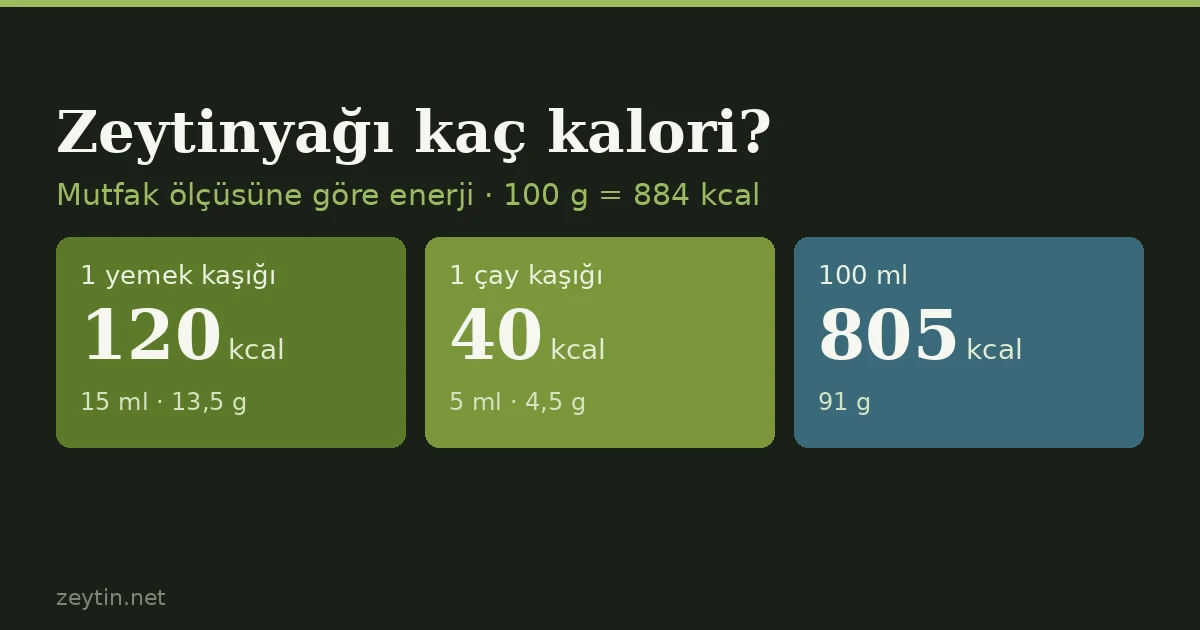
How many calories are in olive oil? Tablespoon, teaspoon and 100 ml
One tablespoon of olive oil has about 120 calories and one teaspoon about 40. Extra virgin, refined blends and sunflower oil carry almost the same energy. A measure table, plus how to count it in salads and cooked dishes.
 Article
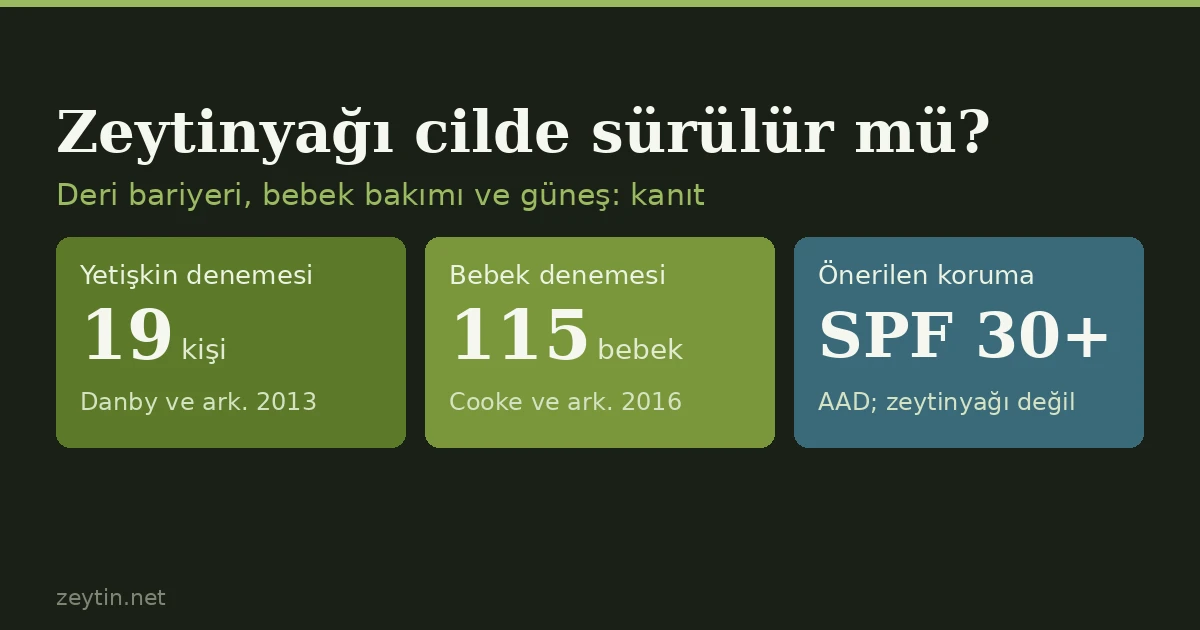
Can you put olive oil on your skin? What the evidence says
You can, but studies suggest regular use may weaken the skin barrier; it is not advised for eczema or babies and gives no sun protection.
 Article
How Much Olive Oil a Day?
Olive oil being healthy does not make it unlimited. A practical look at portions, calories and the logic of replacement.
 Article
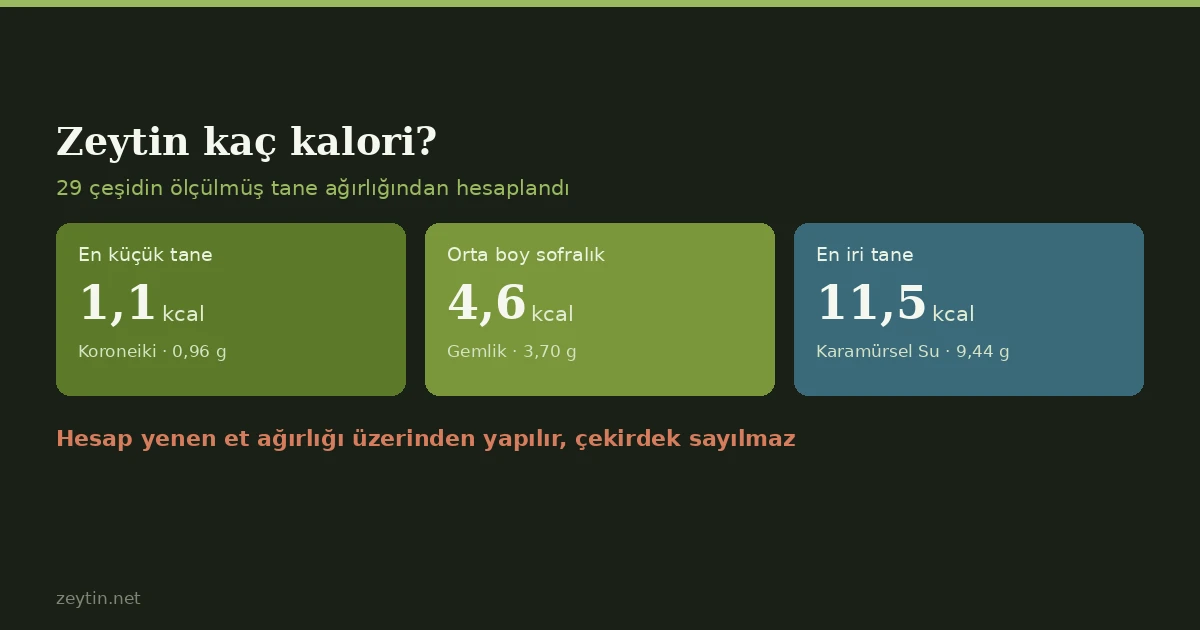
How many calories are in an olive? By piece, portion and variety
A single olive contains between 1 and 12 calories depending on variety. A table calculated from the measured fruit weight and flesh ratio of 29 varieties, portion equivalents and the calories in olive oil.