Adana Topağı: the olive cultivar that needs the least cold
The lowest chilling requirement among cultivars tested: 346 hours, 234 chill units. Why that matters as winters warm, and its 6-gram fruit.
If an olive tree does not spend a certain time in the cold over winter, it will not flower. The tree doesn't die or drop its leaves — it simply yields nothing that year. This is called the chilling requirement, and it differs by variety.
Among the varieties measured, the lowest requirement belongs to Adana Topağı: 346 hours, 234 chill units.
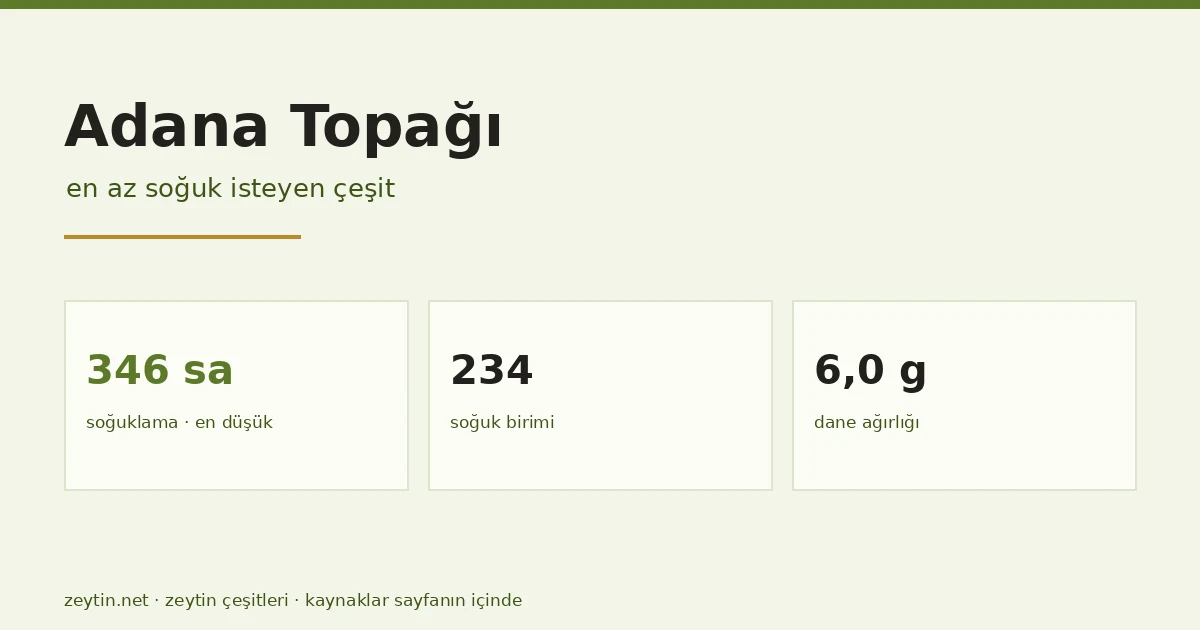
Adana Topağı in numbers
| Property | Value | Note |
|---|---|---|
| Chilling requirement | 346 hours | 234 chill units · lowest of those measured |
| Fruit weight | 6.0 g | among the large-fruited varieties |
| Fruit length | 27.46 mm | |
| Fruit width | 19.76 mm | |
| Fruit shape index | 1.39 | oval |
| Flesh weight | 4.96 g | |
| Flesh ratio | 83% | |
| Stone weight | 1.04 g | |
| Flesh-to-stone ratio | 4.77 | |
| Water-soluble dry matter | 10.8 °Brix | among the lowest in the trial |
| Region | Adana · eastern Mediterranean |
Why it matters in warming winters
The same study records that in high-requirement varieties such as Ayvalık and Domat, the requirement was not met in some years. An unmet requirement means irregular flowering that year and a smaller crop.
The two ends of the scale:
| Variety | Hours | Chill units |
|---|---|---|
| Adana Topağı | 346 | 234 |
| Arbequina IRTA-18 | 459 | 289 |
| Karamürsel Su | 526 | 319 |
| Domat | 552 | 333 |
| Gemlik | 600 | — |
| Memecik | 624 | 367 |
| Ayvalık · Çakır | 1,000 | — |
There is more than a threefold gap between Adana Topağı and Ayvalık. In a warming climate that means the choice of variety becomes steadily more decisive.
The subject in full: chilling requirement in olives · climate change and the olive.
Large fruit
At 6.0 g Adana Topağı counts among the large-fruited varieties in the trial — alongside Domat (7.96 g), Çilli (6.90 g) and Mavi (6.61 g).
Large fruit means price directly in table olives.
In short
Adana Topağı stands out for two things: the lowest chilling requirement among those measured (346 hours) and its 6-gram fruit. The first is a trait gaining value as winters warm; the second sets its table-olive worth.
Note on sources
The pomological and chilling values on this page come from a comparative trial of Turkish and foreign olive varieties conducted under Adana conditions. Properties without a measurement have not been filled in by estimation; they are left blank.
Turkey's full variety distribution and comparative tables: olive varieties.
Where it stands among measured varieties
çeşit sayfası
çeşit sayfası
çeşit sayfası
çeşit sayfası
Values are those published on each variety's own page; the comparison covers only varieties with a measured figure, so it is a comparison of what is known — not of every Turkish variety. See the full ranking and how it is built →
One rating per visitor; you can change yours at any time. Ratings are real reader votes — no seeded or default scores.
Related
 Article
Otur olive
Otur is a recorded variety of the Black Sea. Described in the source.
Article
Otur olive
Otur is a recorded variety of the Black Sea. Described in the source.
 Article
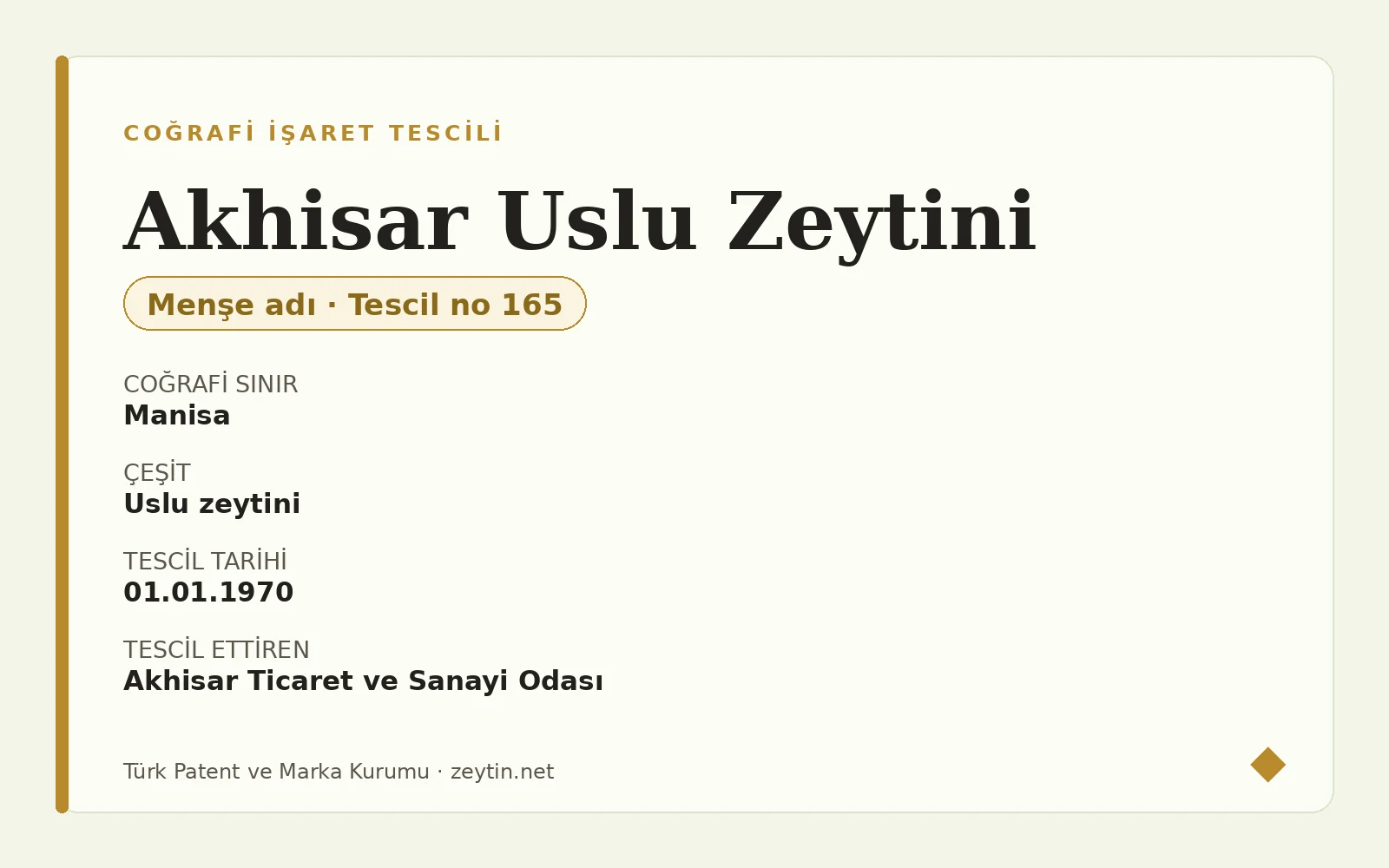
Akhisar Uslu Olive: the measured specification of a black table olive
Registered in 2010 as a designation of origin. The certificate defines the Uslu cultivar in figures — and corrects a published error: the flesh ratio is 85.17%.
Article
Akhisar Uslu Olive: the measured specification of a black table olive
Registered in 2010 as a designation of origin. The certificate defines the Uslu cultivar in figures — and corrects a published error: the flesh ratio is 85.17%.
 Article
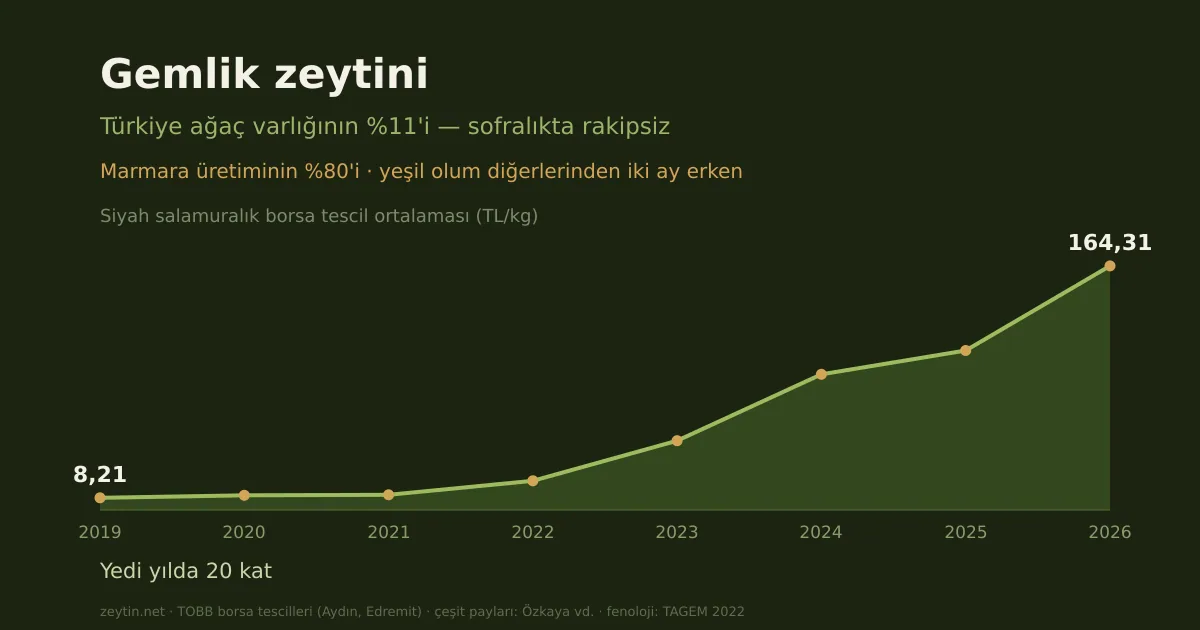
The Gemlik olive: small fruit, six times the flesh
Turkey s only olive cultivar with a geographical indication: 3.7 g fruit, a 6.4 flesh-to-pit ratio, 29-30% oil. Self-fertility measurements, chilling requirement, and why it is still picked by hand.
Article
The Gemlik olive: small fruit, six times the flesh
Turkey s only olive cultivar with a geographical indication: 3.7 g fruit, a 6.4 flesh-to-pit ratio, 29-30% oil. Self-fertility measurements, chilling requirement, and why it is still picked by hand.
 Article
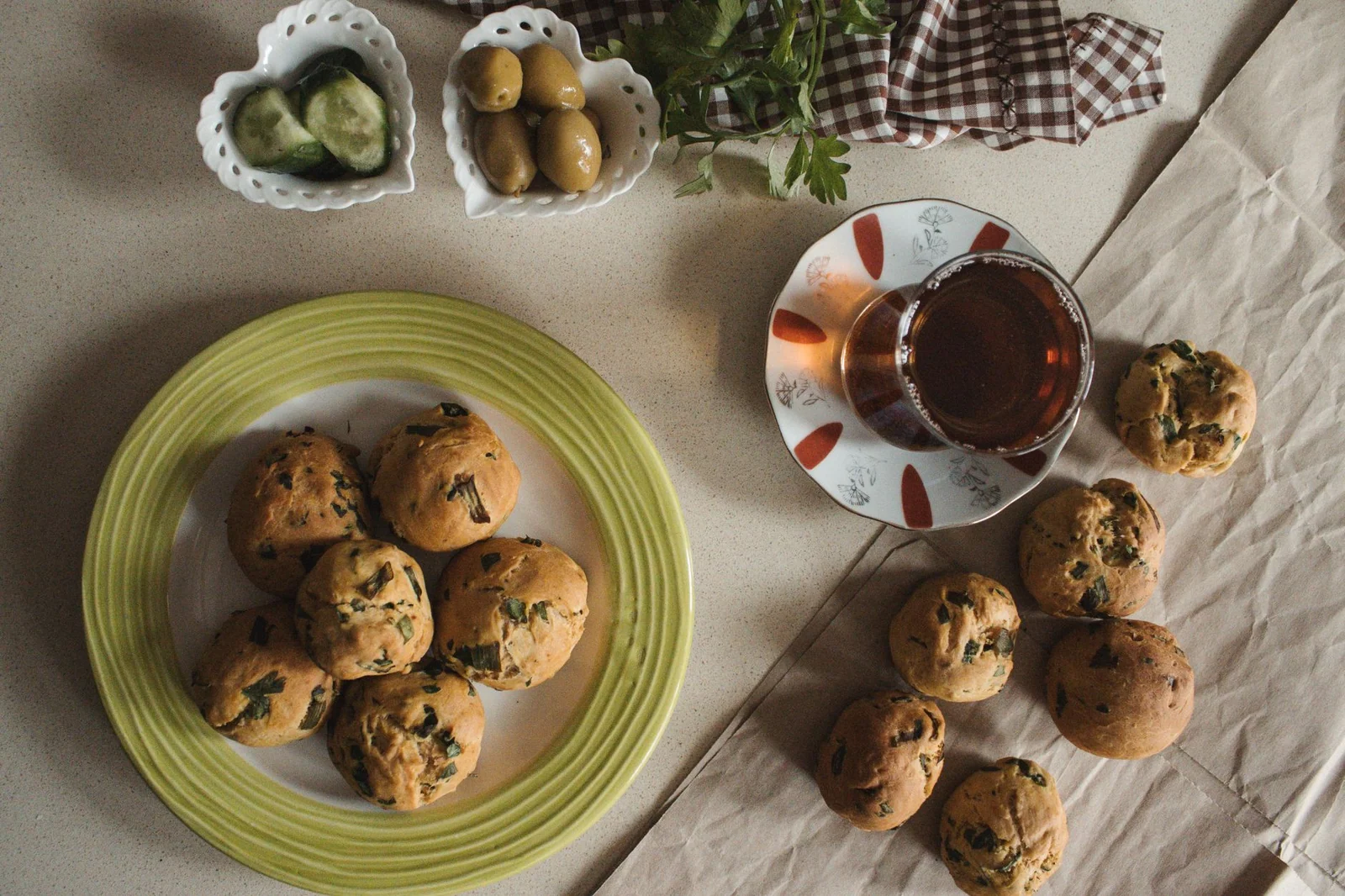
Gaziantep Green Olive Pastry: a registration that turns a recipe into a rule
The only prepared dish among olive geographical indications. The document binds the half-moon shape, the 14-15 cm diameter, the filling gram by gram, the sheep breed, and inspection twice a year. The olives used are oil-type, not table.
Article
Gaziantep Green Olive Pastry: a registration that turns a recipe into a rule
The only prepared dish among olive geographical indications. The document binds the half-moon shape, the 14-15 cm diameter, the filling gram by gram, the sheep breed, and inspection twice a year. The olives used are oil-type, not table.