Is olive oil good for joint pain? Oleocanthal, drinking it and rubbing it on
There is no good-quality evidence that eating olive oil reduces joint pain, and trials of rubbing it on are small and cannot be separated from the effect of massage. Oleocanthal suppressing the same COX enzymes as ibuprofen is a laboratory finding.

The idea that "olive oil is good for the joints" circulates both at the dinner table and as a rub. Two separate questions get mixed up here: does drinking olive oil or eating it with meals reduce joint pain, and does rubbing it on a joint or massaging with it work? The clinical evidence we have does not stand in the same place on the two.
Short answer
For olive oil eaten with meals there is no good-quality evidence that it reduces joint pain; what looks more promising is the Mediterranean-style pattern of eating with olive oil as a whole. For olive oil rubbed on a joint there are small trials, mostly from Iran, whose effect often cannot be separated from that of the massage. None shows that it can replace a treatment for rheumatism or osteoarthritis.

| Study | Type | What it showed |
|---|---|---|
| Beauchamp et al., 2005 | Laboratory | Oleocanthal inhibits the same COX enzymes as ibuprofen |
| Musculoskeletal pain review, 2023 | Narrative review (32 articles + 1 systematic review) | Evidence for adding olive oil is poor/insufficient |
| Mediterranean diet and RA review, 2025 | Review | Statistical effect, clinical meaning uncertain |
| Hekmatpou et al., 2020 | 60 women, RA, 12 weeks, topical | DAS28 differed significantly in the olive oil massage group |
| Nakhostin-Roohi et al., 2016 | 93 women athletes, anterior knee pain, phonophoresis | As effective as piroxicam gel on WOMAC |
Why it comes to mind: oleocanthal
The main reason olive oil is linked with joint pain is oleocanthal. A study published in Nature in 2005 showed that this compound, which gives fresh extra virgin olive oil its stinging sensation in the throat, triggers a sensation like the one ibuprofen leaves in the throat and suppresses the same cyclooxygenase (COX) enzymes as ibuprofen; the authors found its potency and profile strikingly similar to ibuprofen's. For details of the compound, see oleocanthal and polyphenols.
That finding is at laboratory level. There is a gap between "suppresses the same enzyme" and "the amount eaten with meals reduces joint pain": the oleocanthal content of an oil varies widely with variety, harvest time and storage, and that study did not show whether an oral dose in people reaches an effective level in the joint.
Olive oil eaten with meals
A narrative review published in 2023 looked at the effect of diet on chronic musculoskeletal pain in people with rheumatoid arthritis, osteoarthritis and fibromyalgia: 32 original articles and one systematic review. The conclusion has two parts. There is fair evidence that diverse, plant-based Mediterranean, vegetarian and vegan diets may reduce pain; omega-3 fatty acids, seafood, antioxidant-rich fruit and turmeric may also help. By contrast, the evidence that adding olive oil reduces pain was rated "poor-quality or insufficient". The review is not systematic and the studies are small and short; that is the authors' own caveat.
A 2025 review looks at the place of the Mediterranean diet in rheumatoid arthritis. The diet's components (whole grains, fish, olive oil, yoghurt, cheese, moderate red wine) have been linked to mechanisms that lower laboratory and clinical markers of inflammation, but recent cohort studies and randomised trials are more equivocal. The diet may have statistically significant effects on the risk and severity of rheumatoid arthritis, but the clinical significance of those effects is uncertain. In other words, olive oil is one part of a whole; its effect on its own has not been isolated.
Applied to the joint
There are trials here, but they are small and limited.
Rheumatoid arthritis, 2020. In Arak, Iran, 60 women were split into five groups, among them topical extra virgin olive oil, piroxicam gel, paraffin oil, dry massage and routine medication alone. After twelve weeks the authors reported that all of them were effective in controlling rheumatoid arthritis manifestations, that the disease activity score (DAS28) differed markedly in the group massaged with olive oil, and they recommended applying extra virgin olive oil. The point to note is that dry massage also came out effective: with this design it is hard to separate how much of the improvement came from the oil and how much from the massage itself.
Osteoarthritis, 2012. A pilot study from Ardabil, again in Iran, compared topical virgin olive oil with piroxicam gel in knee osteoarthritis in a double-blind design. It was pilot-scale, and because its abstract is not available on PubMed we do not report its result here.
Anterior knee pain, 2016. In a study of 93 women athletes, from the same city and with a researcher in common, virgin olive oil, piroxicam and plain gel were compared using phonophoresis, which drives a substance through the skin with ultrasound. In the olive oil group the improvement in WOMAC scores appeared at the sixth session, and it was found as effective as piroxicam gel. This was done in athletes with exercise-related knee pain, not in people with joint disease, and the authors themselves state that the mechanism is unclear.
At the animal level there is also a mouse-model study showing that the oil reduced inflammation and cartilage breakdown; there is not yet enough to carry that over to people.
Where are we on the chain of evidence?
Whether a substance can help a disease is usually tested in four links. The laboratory link is filled: oleocanthal suppresses COX enzymes. In the animal link, the mouse model is favourable. The small human trials have been done only with rubbing on, and are limited. The last link, a large controlled trial measuring the effect of oil eaten with meals on joint pain, is missing according to the 2023 review, which classes the available evidence as "poor or insufficient". In this chain oleocanthal offers an interesting lead, but a lead is not yet a result.
How should these trials be read?
There are three shared limitations. First, they are all small and short: groups of 60 and 93 people, a few weeks of follow-up. Second, what the control group received shapes the result: in the 2020 trial paraffin oil, a mineral oil unrelated to olive oil, was also found effective, so part of the improvement may be independent of the type of oil (this is our interpretation, not the authors'). Third, pain scales rest on the person's own report, and even touch and attention can affect a score. These trials therefore allow "rubbing it on is harmless and perhaps soothing", not "it treats joint disease".
What to do in practice
- It does not replace medication. Rheumatoid arthritis and advanced osteoarthritis are conditions that need treatment under a doctor's supervision; olive oil massage should not stand in for a drug.
- Diet makes sense as a whole. For people with joint complaints the evidence leans toward a plant-heavy Mediterranean pattern that includes fish rather than toward a single fat. Within that whole, olive oil makes sense when it replaces butter or other solid fats.
- Do not forget the calories. Weight is a separate load on the knee and hip joints; a tablespoon of oil carries about 120 calories (how many calories in olive oil).
- If applied to the skin, try a small area first. Irritation or allergy can occur, and it should not be used on broken or inflamed skin.
What cannot be said
There is no basis for "drinking olive oil lubricates the joint fluid" or "it takes the place of ibuprofen". Oleocanthal's effect in the laboratory does not mean the same effect appears at the amount of a tablespoon, and the trials of rubbing it on are small, local and cannot be separated from the effect of massage. If joint pain persists, or if there is swelling, morning stiffness or redness, a doctor should be consulted.
One rating per visitor; you can change yours at any time. Ratings are real reader votes — no seeded or default scores.
Related
 Article
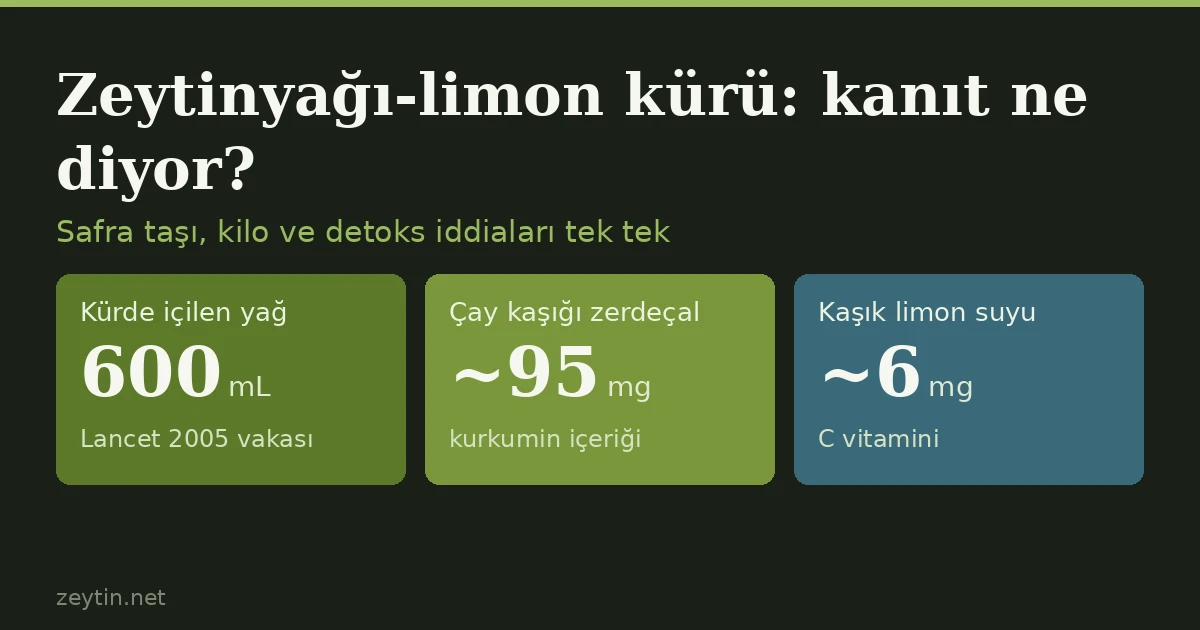
Does an olive oil and lemon cleanse work? What the evidence says
No measured benefit as a mixture: no evidence it flushes gallstones, slims or detoxes; the 'stones' after a flush are soap-like lumps of oil.
 Article
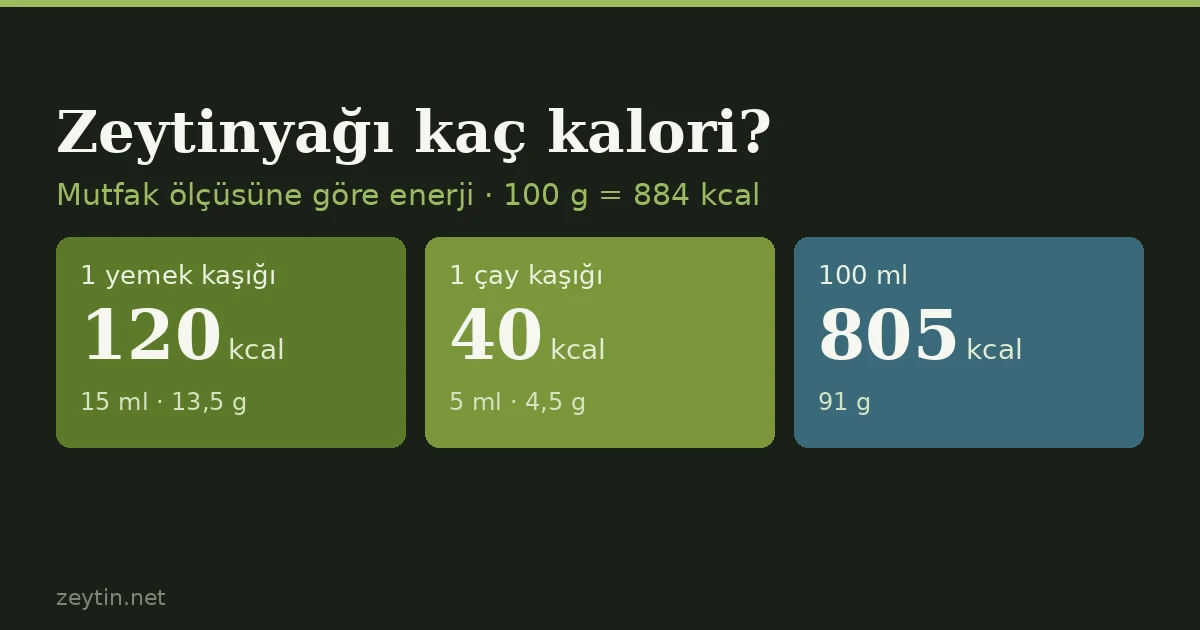
How many calories are in olive oil? Tablespoon, teaspoon and 100 ml
One tablespoon of olive oil has about 120 calories and one teaspoon about 40. Extra virgin, refined blends and sunflower oil carry almost the same energy. A measure table, plus how to count it in salads and cooked dishes.
 Article
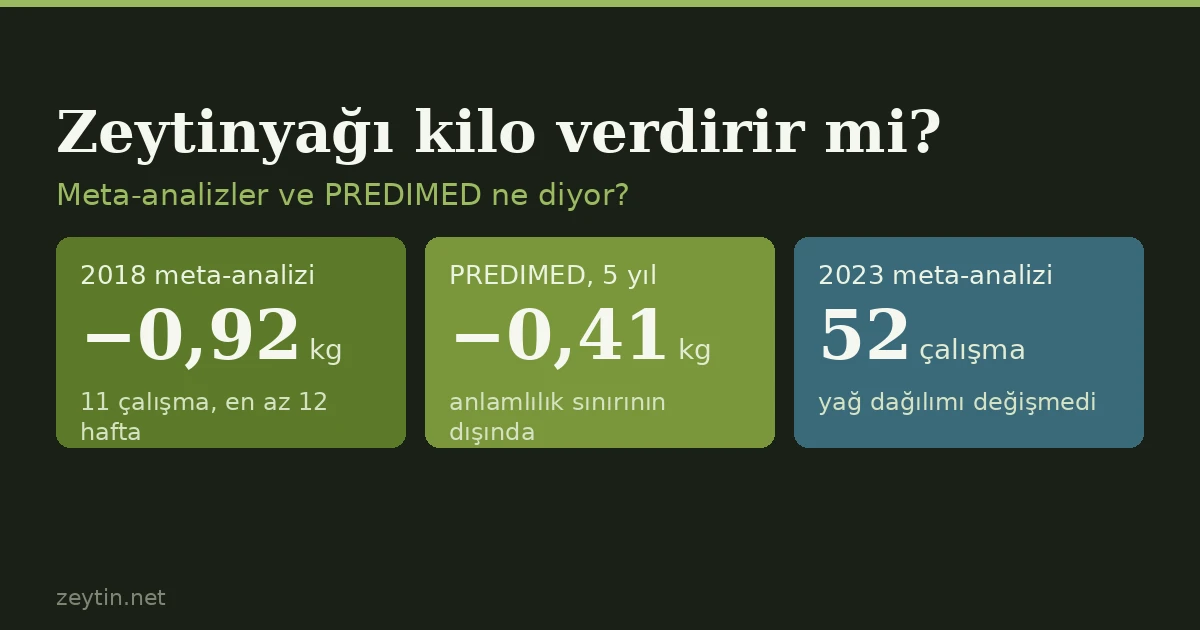
Does olive oil make you lose weight? What the meta-analyses and PREDIMED say
Olive oil does not make you gain weight, but it does not make you lose it on its own either: a 0.92 kg difference in a 2018 meta-analysis, no change in body fat distribution across 52 trials in 2023, and −0.41 kg over 5 years in PREDIMED (not significant). Capsules showed no benefit.
 Article
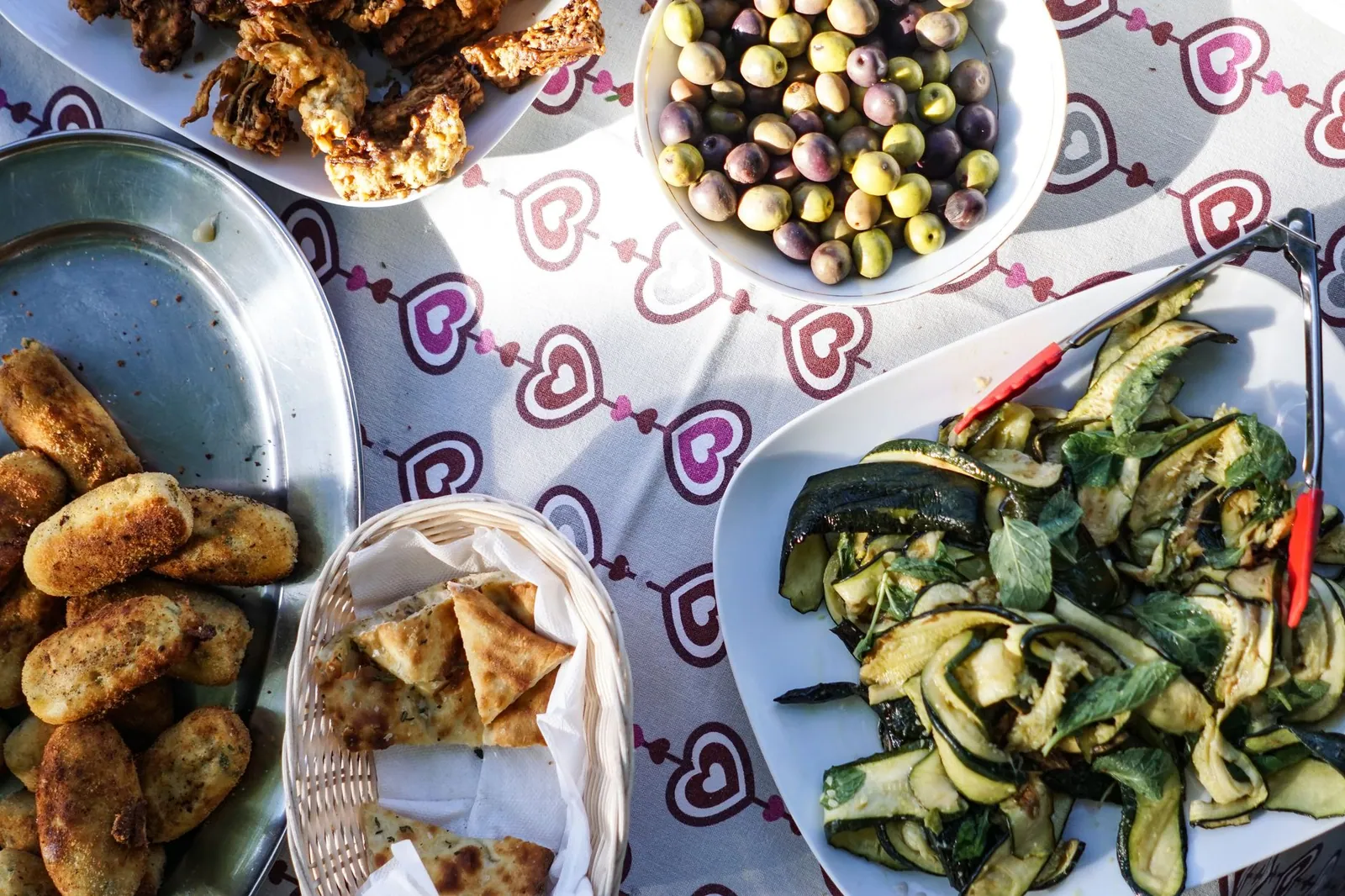
Olive Oil and Heart Health
Why is Mediterranean cooking so often linked with cardiovascular health? Unsaturated fats, polyphenols, and replacing saturated fat.