Gemlik-Orhangazi Olive Festival, 10-13 September: what the registration says about the name
Gemlik and Orhangazi are holding their olive festivals together for the first time, on 10-13 September 2026. Dropping “Gemlik Olive” from the name drew criticism. The registered area under record no 76 covers four districts: Gemlik, İznik, Orhangazi and Mudanya.
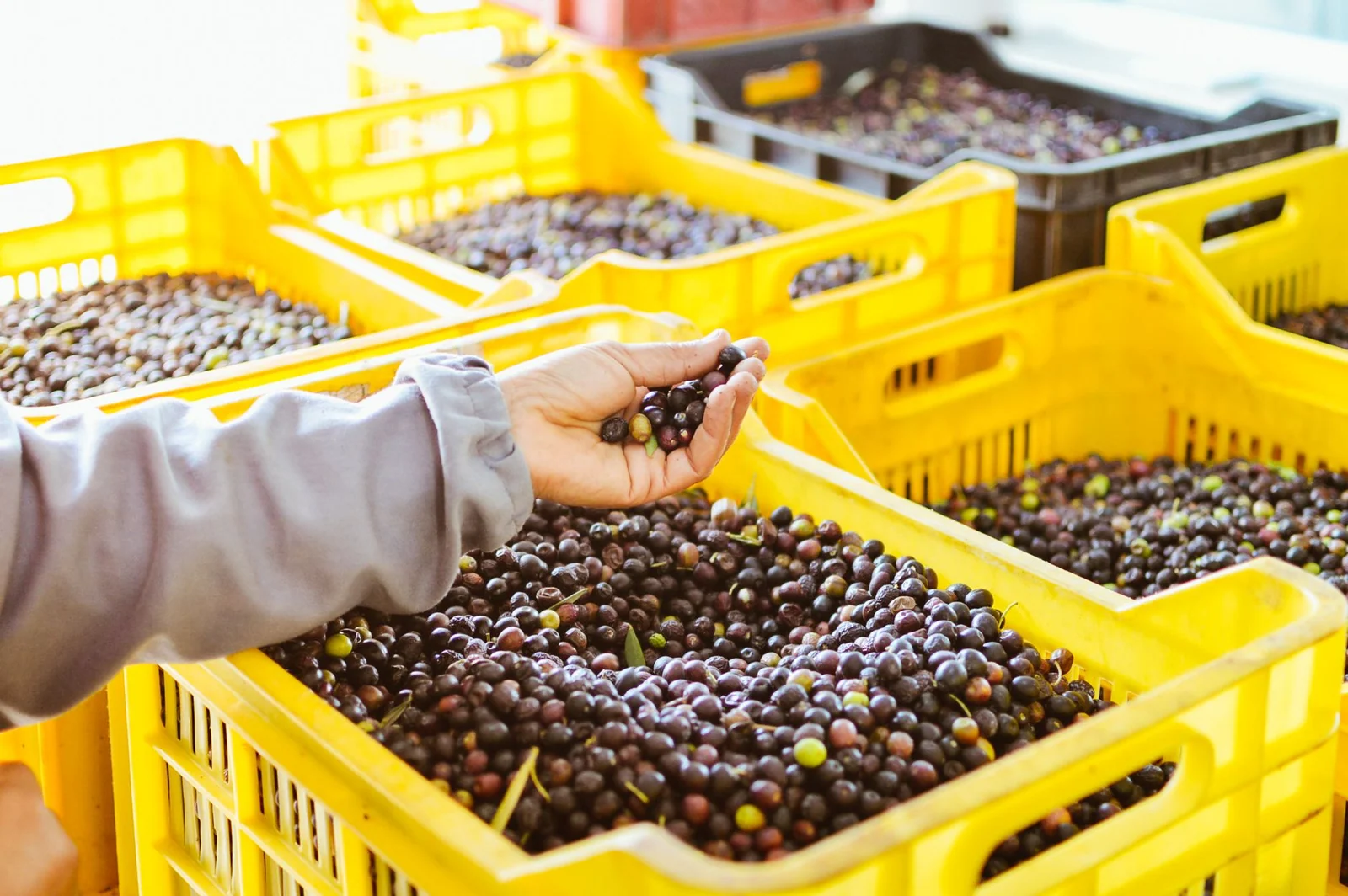
Two olive-growing districts of Bursa are holding their festivals together this year instead of separately. "Two Districts, One Heritage: the Gemlik-Orhangazi Olive Festival" runs 10-13 September 2026, organised jointly by the Gemlik and Orhangazi municipalities and the Bursa Metropolitan Municipality. Merging two festivals celebrated separately for years is a first.
The name became a matter of dispute before the festival even began. The answer lies not in the political commentary but in the registration document — and the document answers both strands of the argument at once.
Programme
| Date | District | Highlight |
|---|---|---|
| Thu 10 September | Orhangazi | Çalgıcı Mektebi Orchestra · liberation of Orhangazi |
| Fri 11 September | Gemlik | Ankara Echoes · liberation of Gemlik |
| Sat 12 September | Gemlik | Apolas Lermi |
| Sun 13 September | Gemlik | Yüksek Sadakat |
Over four days there are folk dances, children's workshops, a parade, exhibitions and talks. The part that concerns growers directly is the competitions: best grove, best-decorated tractor, best table olives and dishes with olives. The 2nd Harvest Festival takes place in Umurbey, alongside a commemorative sapling planting and an Olive Route discovery walk.
A "best table olives" category is no accident: olive growing in this region is built mainly on table fruit. The numbers show it plainly.
What kind of province is Bursa?
| Item | Value |
|---|---|
| Total fruit production | 280,720 t |
| — table olives | 170,491 t |
| — oil olives | 110,229 t |
| Olive oil production | 25,127 t |
| Number of trees | 11.8 million |
| Yield per tree | 23.7 kg |
Bursa ranks sixth in Türkiye for fruit production and ninth for oil. The gap is not incidental: 61% of the province's crop is table fruit. İzmir, first in oil, produces 70,767 tonnes against Bursa's 25,127 — but in table olives Bursa carries far more weight. The brand being protected here is therefore not an oil brand but a table olive brand, and its name is Gemlik.
The objection to the name
The absence of the words "Gemlik Olive" from the festival's name drew criticism in Gemlik. Nilüfer Toprakçı, the Victory Party's Gemlik district chair, asked for the name to return explicitly to "Gemlik Olive Festival": "A name is not just a signboard. A name recalls the product's geography, its producer and its registration." Criticism from the İYİ Party's Gemlik district organisation ran along similar lines, objecting to a value known worldwide being pushed into second place in its own home town.
What the registration says
"Gemlik Olive" is not a slogan; it is a registered designation of origin:
| Item | Value |
|---|---|
| Registration no | 76 |
| Registration date | 03.10.2005 |
| Application | C2003/008 · 05.03.2003 |
| Type | Designation of origin (PDO) |
| Registered by | Gemlik Commodity Exchange |
| EU registration | 16.06.2023 (applied July 2020) |
| Geographical area | The Gemlik, İznik, Orhangazi and Mudanya districts of Bursa |
That last row lands in the middle of the dispute: the registered area is not one district but four. Orhangazi lies inside it. A festival held jointly by the two districts therefore does not contradict the registration; it matches the definition in the document. Seen this way, the joint festival does not narrow the name — it moves closer to its full scope.
The same document also covers the district that dropped out of the original plan. The festival was first conceived with three districts — Gemlik, Orhangazi and İznik — but İznik does not appear in the final programme, even though İznik, like Mudanya, falls within the registered area. Measured against the registration, what is missing is not a name but a district at the table.
Why a designation of origin is the heavier commitment
Geographical indications come in two types, and the difference is decisive here:
- Geographical indication: at least one stage of production takes place in the defined area; raw material may come from elsewhere.
- Designation of origin: every stage of production must take place in the defined area.
Gemlik Olive is registered under the stricter of the two. The name is therefore not a marketing label but a commitment tied to a geography. The 2023 EU registration made that same commitment binding in the European market as well. We read the registration line by line here.
The measured cultivar behind the name
The disputed name corresponds to a measurable cultivar:
| Property | Value |
|---|---|
| Fruit weight | ≈ 3.7 g |
| Fruits per kg | 270 |
| Flesh share | 85% |
| Flesh-to-stone ratio | 6.14 |
| Oil content | 29-30% |
| Total phenols | 244-491 mg CAE/kg |
| Harvest | November-January |
A flesh-to-stone ratio above six explains why the cultivar dominates the table trade: even in a small fruit, the edible part prevails. For the cultivar in detail see our Gemlik olive page, and for comparison with others the cultivar list.
One note: Gemlik is only partially self-fertile; Ayvalık, Edincik Su, Şam and Samanlı are used as pollinators. A "Gemlik grove" is in practice never a single-cultivar planting — much like the registration's four districts, the cultivar itself is not a singular thing.
A small correction on dates
The dispute sometimes refers to the olive as "registered since 2003". In the document, 2003 is the application year (C2003/008, dated 05.03.2003); registration was completed on 3 October 2005. EU registration is a separate process: applied for in July 2020, entered on 16 June 2023. Three dates mark three stages, and conflating them misstates the age of the brand.
What it comes to
The festival's name is a promotional choice, but "Gemlik Olive" is not a promotional slogan: it is a registration that has stood since 2005, recognised in Europe since 2023, defining who may use the name and under what conditions. The geographical area in that registration answers both sides at once — a joint festival with Orhangazi fits the document, while leaving İznik out does not match the four districts the document names.
One rating per visitor; you can change yours at any time. Ratings are real reader votes — no seeded or default scores.
Related
 Article
Why Is the Olive Branch a Symbol of Peace?
From the dove of the flood narrative to the emblem of the United Nations: how a tree branch has carried the same meaning for thousands of years.
Article
Why Is the Olive Branch a Symbol of Peace?
From the dove of the flood narrative to the emblem of the United Nations: how a tree branch has carried the same meaning for thousands of years.
 Article
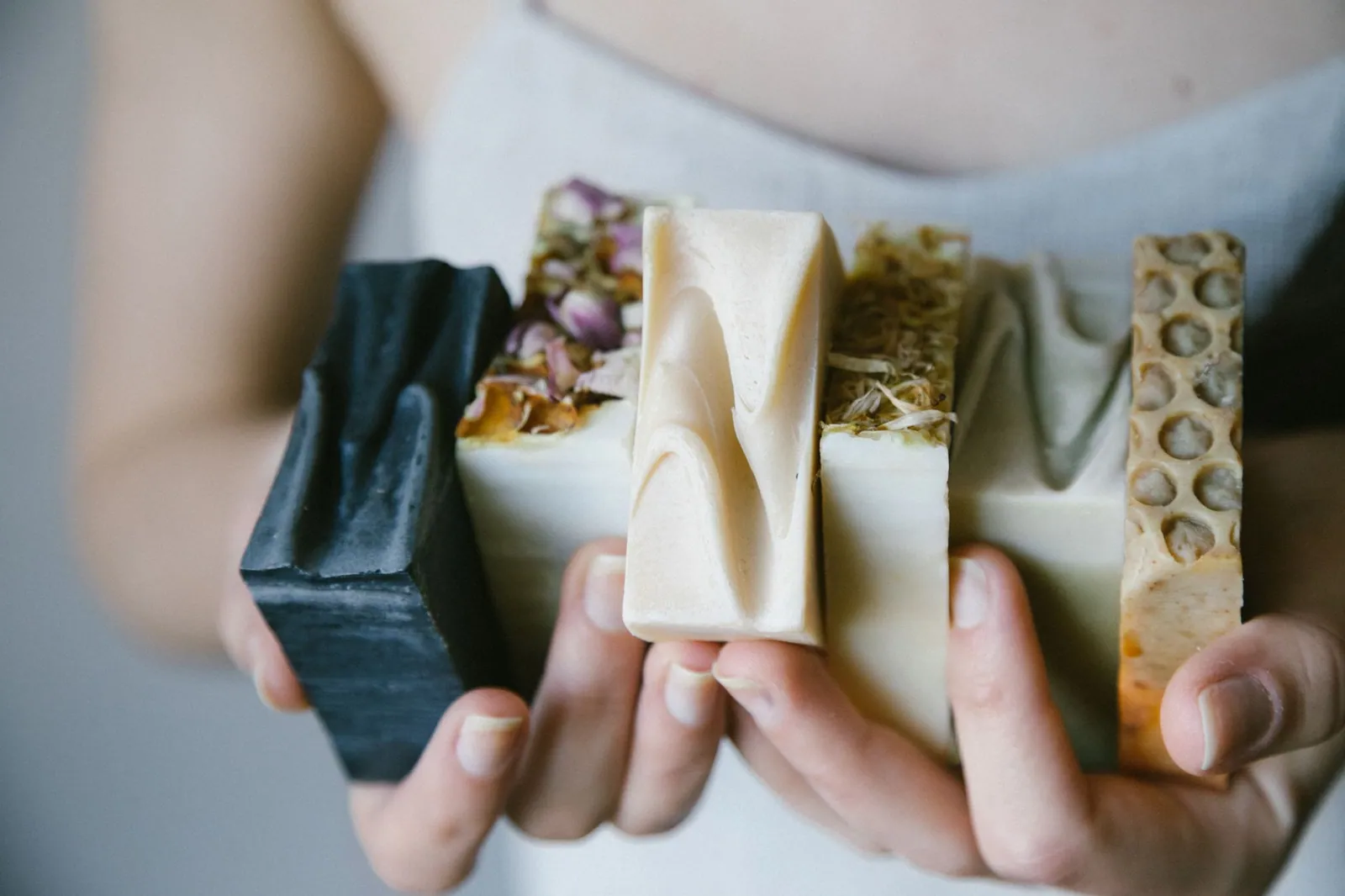
The History of Olive Oil Soap
From Aleppo to Marseille, Castile to Ayvalık: how olive oil became soap, and how that trade built cities.
Article
The History of Olive Oil Soap
From Aleppo to Marseille, Castile to Ayvalık: how olive oil became soap, and how that trade built cities.
 Article
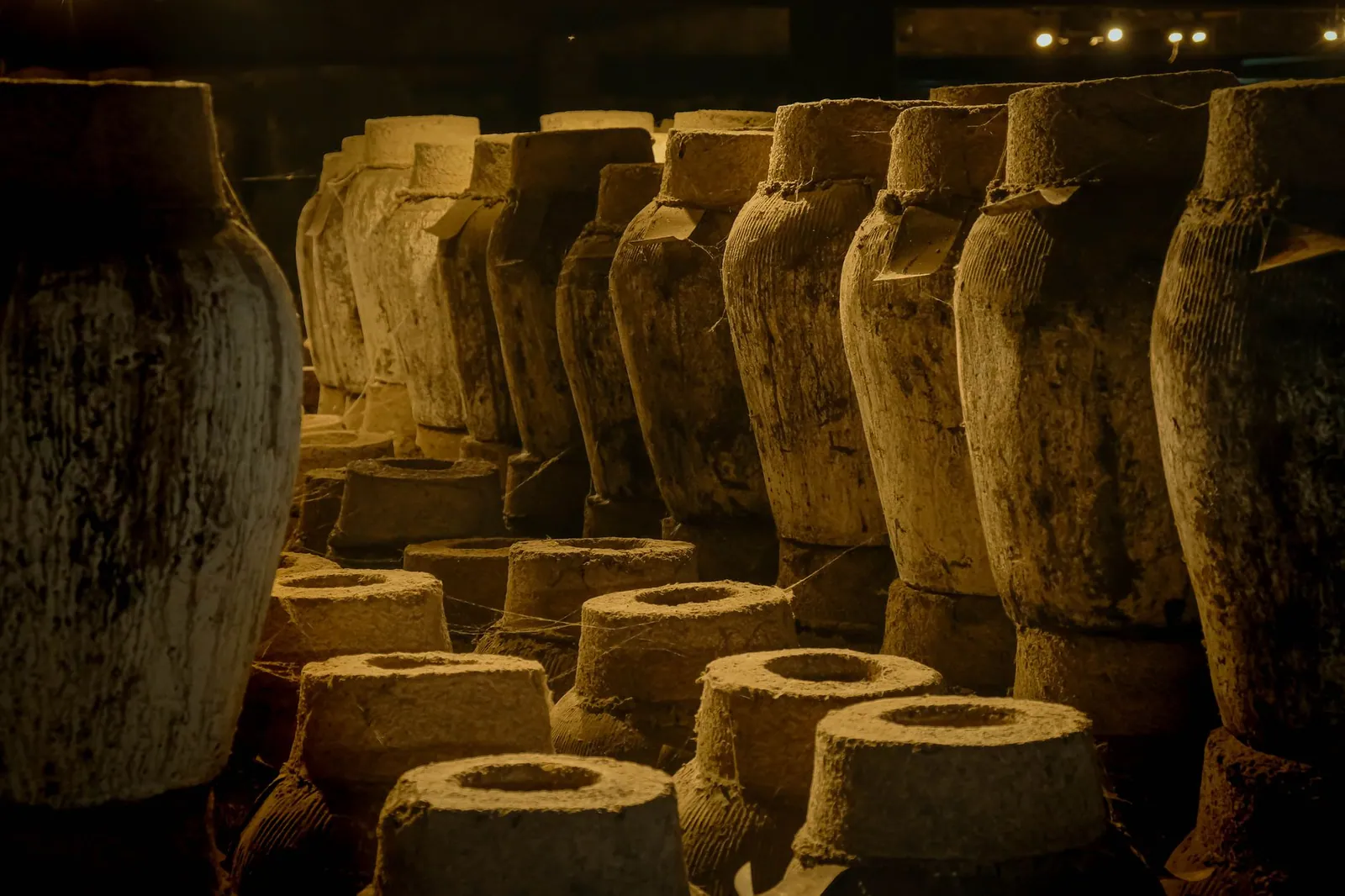
The Olive Oil Trade in the Ancient World
Amphorae, sea routes and a Roman hill made of broken jars: olive oil was one of the Mediterranean's first large-scale commodities.
Article
The Olive Oil Trade in the Ancient World
Amphorae, sea routes and a Roman hill made of broken jars: olive oil was one of the Mediterranean's first large-scale commodities.
 Article
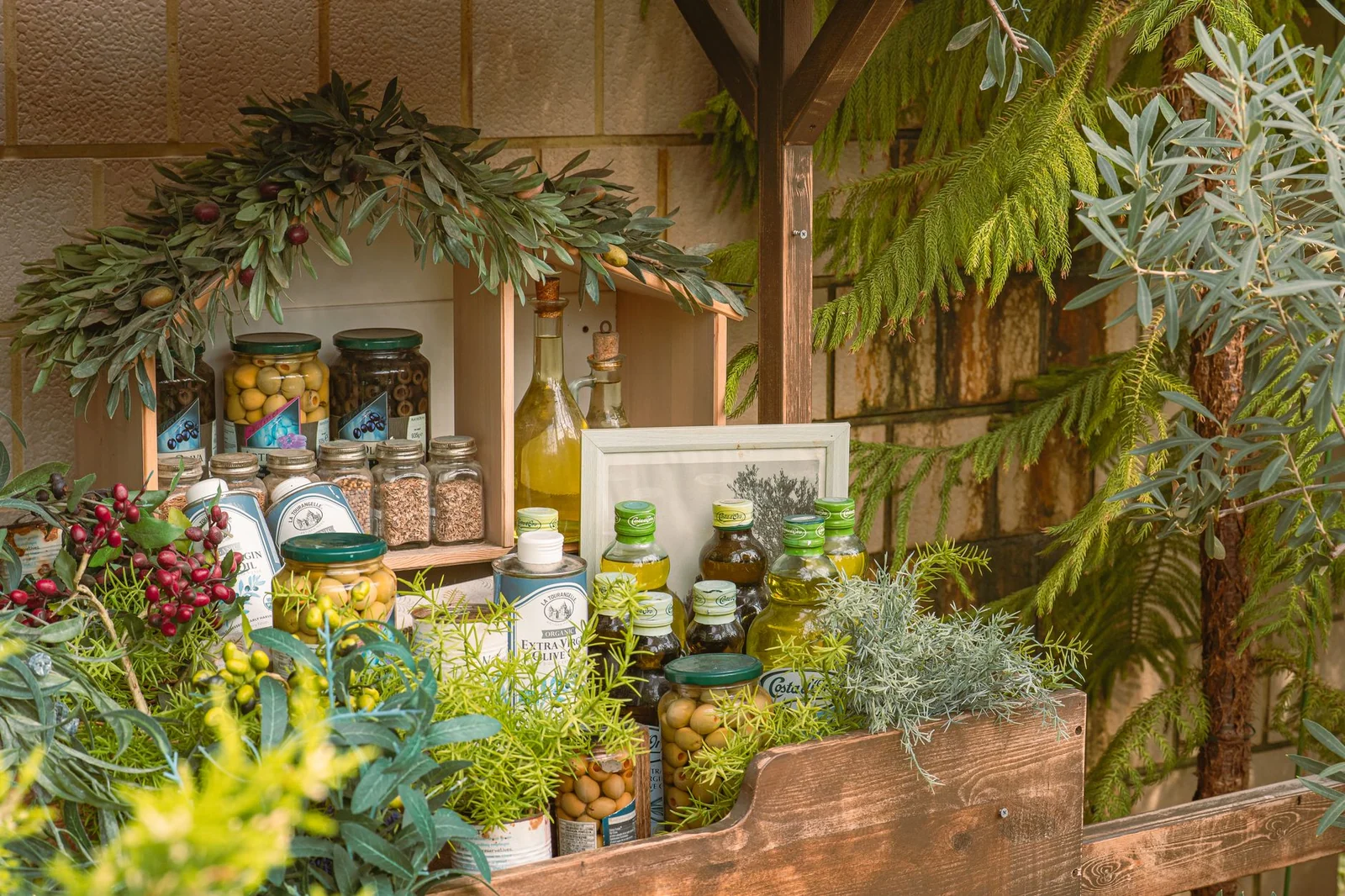
The oil was a medicine: two thousand years of olive oil in medicine and folk practice
For most of its history olive oil was not food but lamp fuel, soap, ointment and medicine. Rome's four grades are the ancestor of today's label — and much of what survives in folk medicine is two thousand years old.
Article
The oil was a medicine: two thousand years of olive oil in medicine and folk practice
For most of its history olive oil was not food but lamp fuel, soap, ointment and medicine. Rome's four grades are the ancestor of today's label — and much of what survives in folk medicine is two thousand years old.