A 282-member doctors' cooperative puts sensors in the olive grove
A cooperative founded by doctors in Adana is monitoring water and fertiliser with buried sensors across 100 of its 135 dönüm of bearing olive grove, funded with 2 million lira.
Ahmet Rıza Şahin, an infectious diseases specialist at Adana City Training and Research Hospital, founded the Physicians' Agricultural Cooperative with colleagues in 2023. Now 282 members strong, it grows olives, sesame, almonds, wheat, tomatoes and aubergines on 500 dönüm in the district of İmamoğlu.
What the project covers
A digital farming model is being applied on 100 of the 135 dönüm of bearing olive grove. It was prepared under the Socially Inclusive Green Transition (SoGreen) programme, coordinated by the Ministry of Industry and Technology with World Bank financing, and accepted by the Çukurova Development Agency.
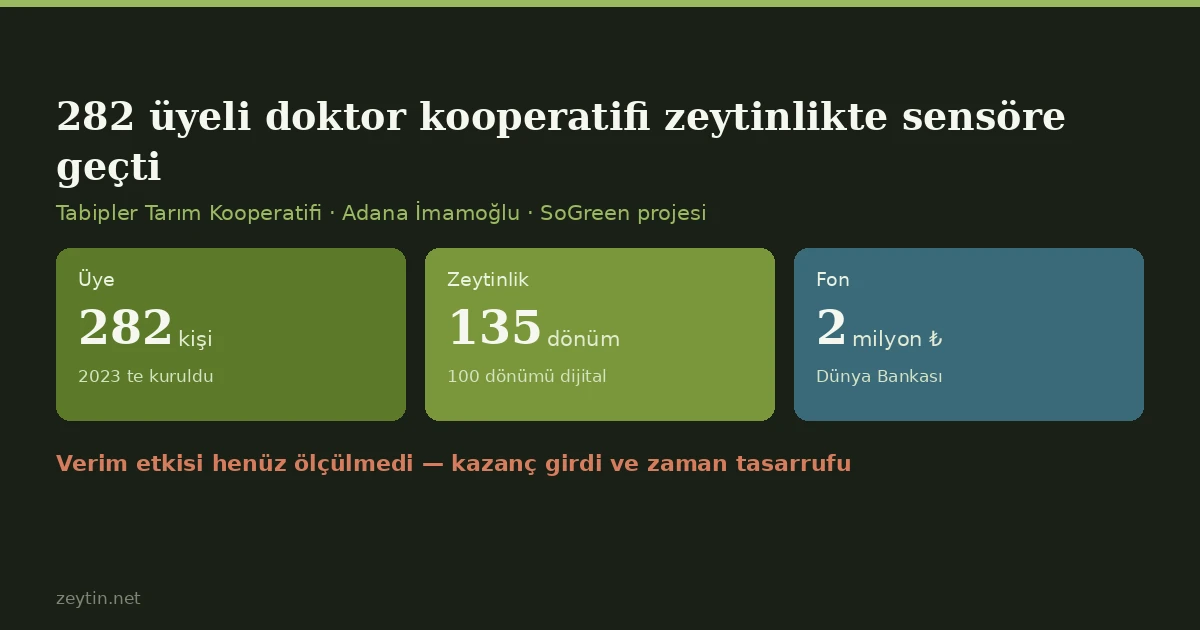
According to Şahin the fund is 2 million lira, covering three things:
- Buried soil sensors: the trees' water and fertiliser needs monitored remotely
- Rainwater harvesting: a collection pool built
- Biological compost: pruned olive branches fermented
Why it is worth noting
The reported gain is avoiding unnecessary irrigation and fertilisation — saving both input cost and time.
That touches a point rarely discussed in olive growing: the olive is drought-tolerant, so it is often assumed it need not be irrigated. But where yield is the aim, water and nutrient management determine the crop directly. Irrigating and fertilising without measurement usually means spending more than necessary.
The second point is scale. A cooperative of 282 members can share an investment no single grower could carry alone. Sensor infrastructure does not pay for itself on a five-dönüm plot; across a hundred it does.
⚠ The report gives no measured result on yield; the gains described are in inputs and time. The effect on the crop will only be visible in end-of-season figures.
One rating per visitor; you can change yours at any time. Ratings are real reader votes — no seeded or default scores.
Related
 Article
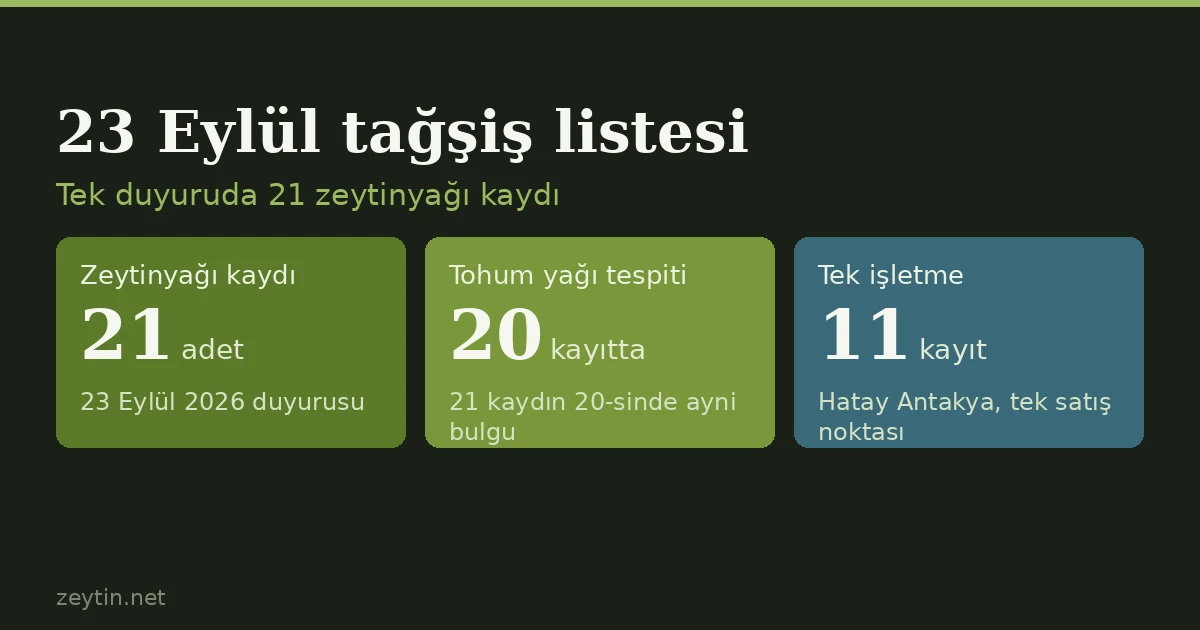
Turkey's 23 September fraud list: 21 olive oils, 11 from a single seller
Twenty-one olive oil entries joined Turkey's public food-fraud register on 23 September 2026 — two-thirds of what the other eleven announcements since April produced combined. In twenty of them the finding is identical: seed oil adulteration.
 Article
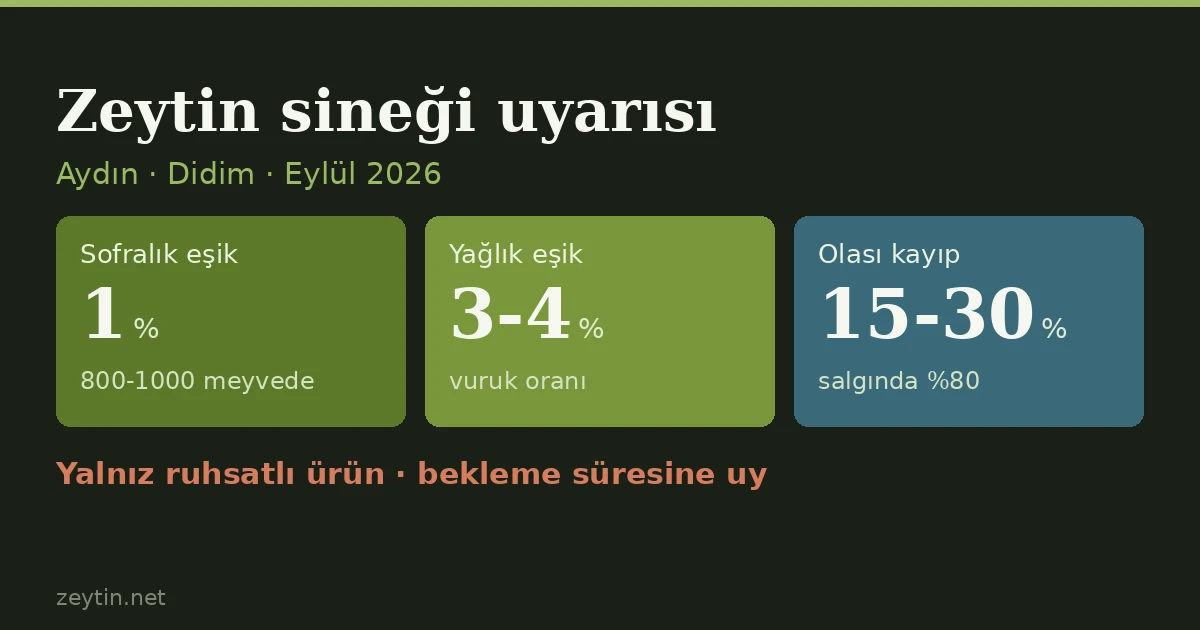
Olive fruit fly warning before harvest in Aydın: check groves, spray only above the threshold
The Didim District Directorate of Agriculture and Forestry, together with the Aydın Provincial Directorate, has warned growers about the olive fruit fly ahead of the harvest. Growers were asked to check groves regularly, monitor pest density and, if needed, act only with products licensed for olives and at the right time. Fly pressure rising in autumn cuts both yield and oil quality.
 Article
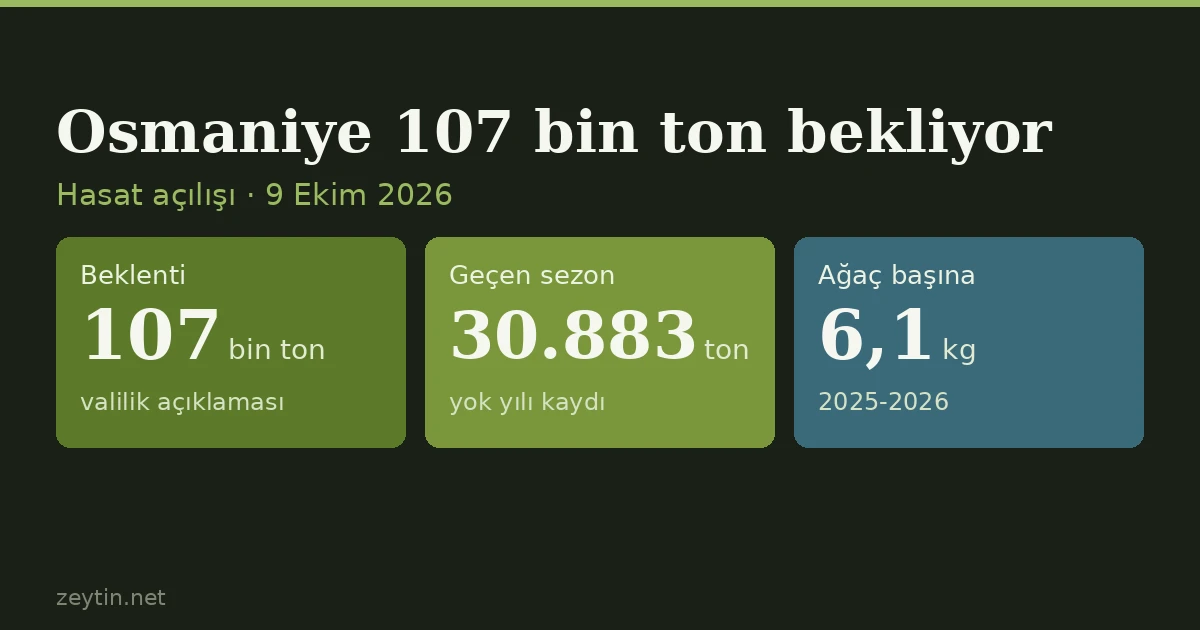
Osmaniye expects 107,000 tonnes: 3.5 times last season, in line with on-year averages
The governor's office in Osmaniye says the province's roughly 10 million olive trees are expected to yield more than 107,000 tonnes this year. That is 3.5 times last season — but 2025-2026 was an off year, and the forecast is consistent with on-year yields. Small discrepancies remain in tree counts and ranking.
 Article
Italy's protest widens: thousands of growers in Bari, mills idle in Sicily, still no crisis status
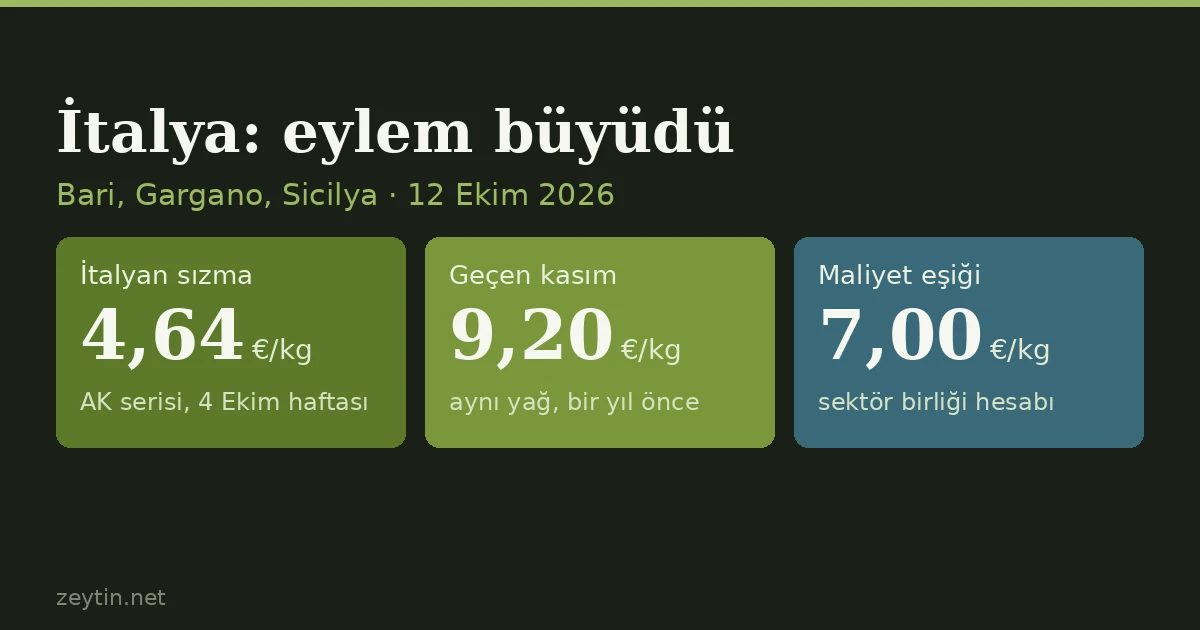
The deadline given in Puglia expired without crisis status being granted: on 12 October thousands of growers gathered in front of the Bari prefecture, hundreds of tractors blocked roads on the Gargano, and harvesting and milling have been suspended since 5 October across nine municipalities in Sicily. Two of the four demands concern anti-fraud controls and an electronic transport document for olives. In the European Commission series, Italian extra virgin stood at 4.64 €/kg in the week of 4 October; the figure quoted in the field is 4 euros, against 9.20 € last November. The next threshold is 15 October.