Sele Olives: Black Olives Cured in Dry Salt
The traditional method that uses dry salt rather than water: the wrinkled, intensely flavoured black olive of the Turkish breakfast table, in three to four weeks.
- Time
- 3-4 weeks
- Serves
- 3 kg
- Level
- Medium
- Cuisine
- Turkish
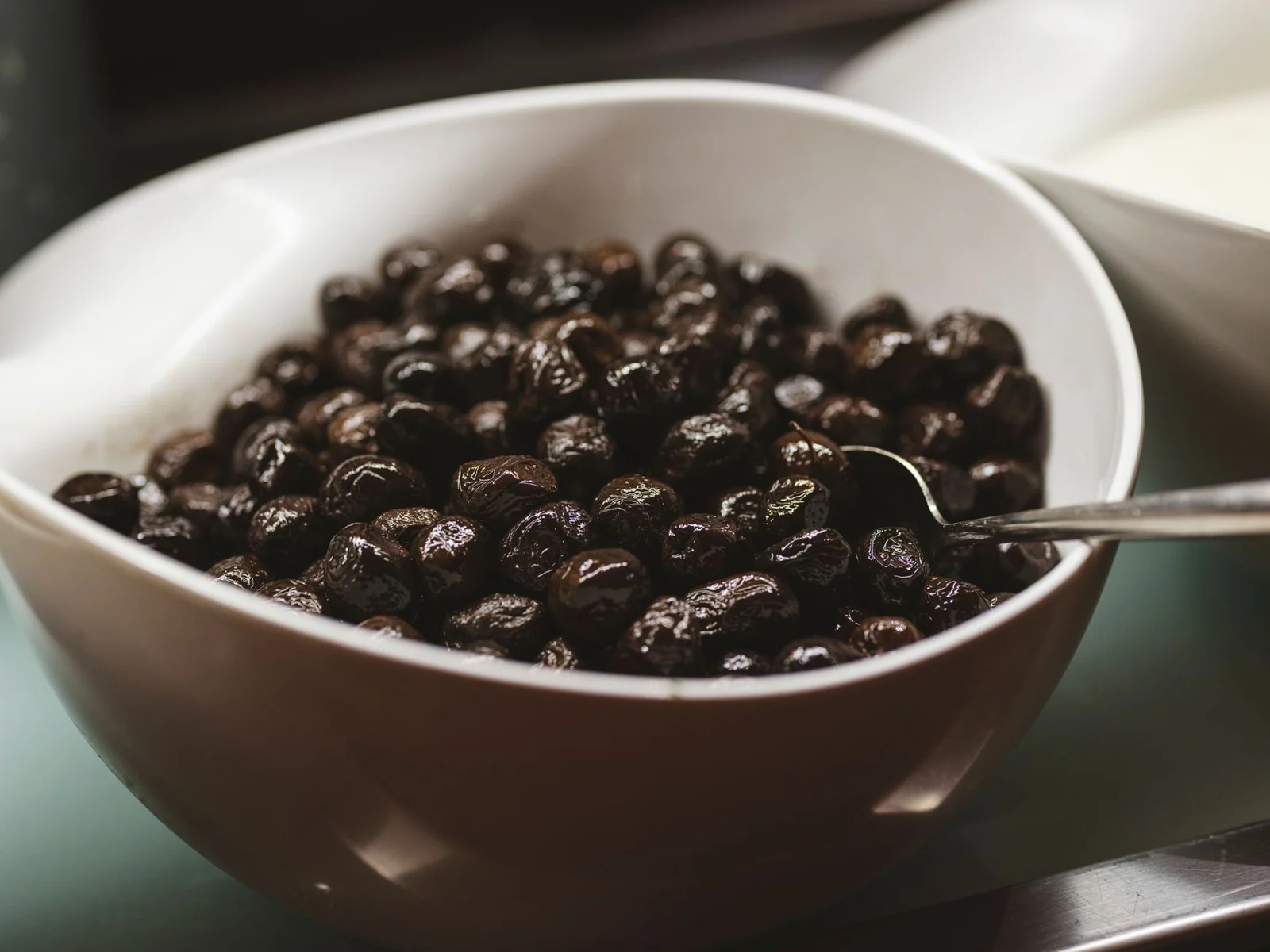
The sele olive takes its name from the vessel it is made in: a perforated wicker basket that lets liquid drain away. The whole logic of the method lies in that basket — here the bitterness is given up not to water but to salt. Dry salt draws the moisture out of the fruit by osmosis, and the liquid that leaves carries the bitter compounds with it, leaving the olive wrinkled and concentrated.
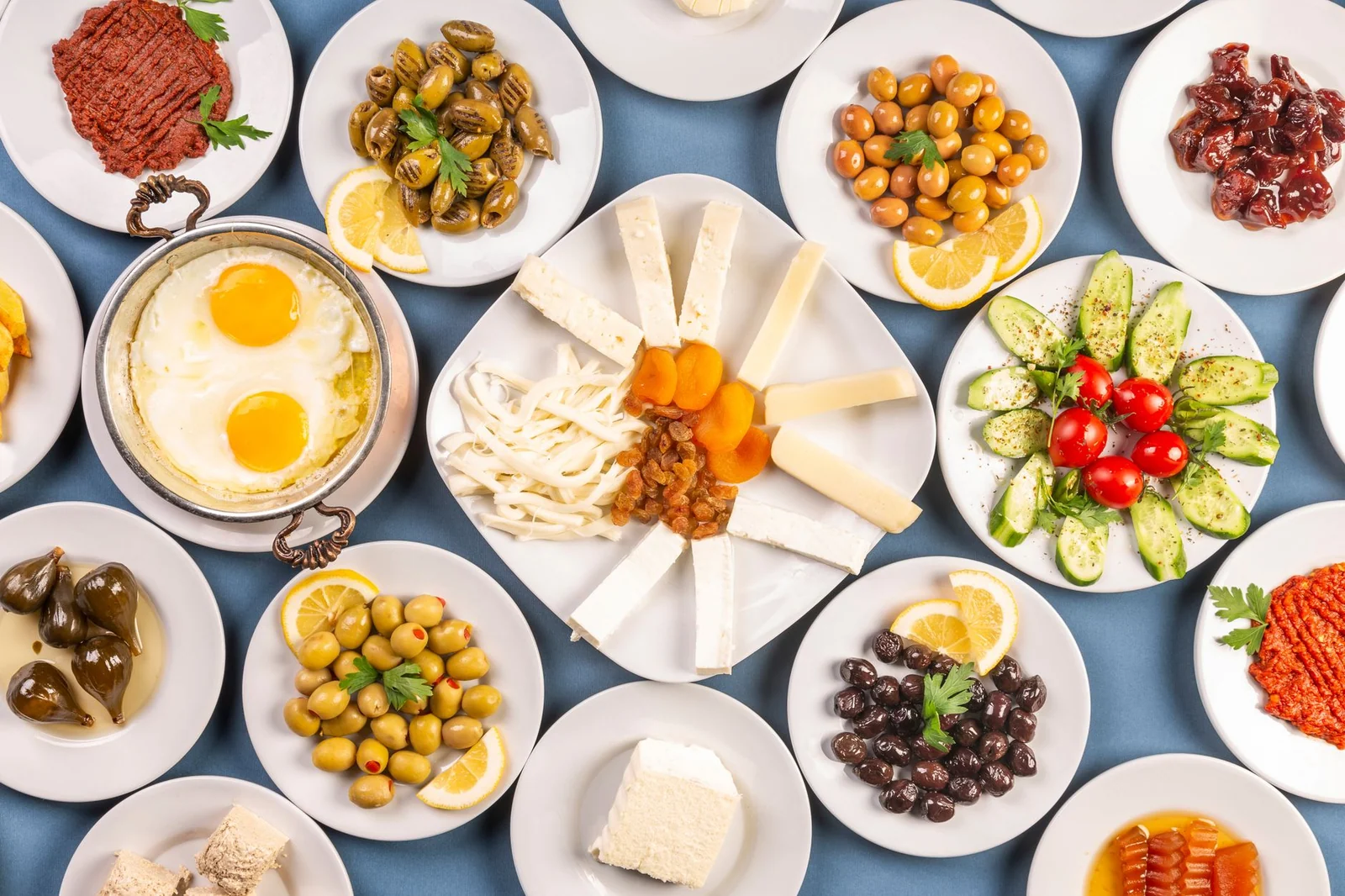
The result is markedly different from a brined olive: wrinkled skin, denser flesh, sharper flavour. This is the classic black olive of the Turkish breakfast table.
The variety is decisive here: fleshy, oil-rich black varieties — Gemlik above all — suit the method best. For a general comparison of the methods: how olives are cured.
Directions
- Sort the olives: choose only fully ripe, purple-black fruit that has not yet gone soft. Green olives cannot be cured this way.
- Do not wash them — wet olives make the salt clump and it draws unevenly.
- Layer the olives with coarse salt in a perforated basket, *sele* or cloth sack — roughly one part salt to three parts olives by weight.
- Stand the container over a wide basin to catch the liquid that drains out, and keep it somewhere cool.
- Every two or three days turn the olives by hand or by shaking the sack, so the salt reaches every fruit.
- Every ten days refresh the salt: if the old salt has taken up moisture and clumped, sieve it out and add dry salt.
- Taste after three weeks. The olives are ready when they have wrinkled, lost their bitterness and settled in saltiness; if not, give them another week.
- Shake off the excess salt. If they taste too salty, soak them in cold water for an hour or two, drain and dry completely.
- Pack into jars, scatter with dried oregano and pour in enough olive oil to cover.
- Store somewhere cool and dark.
Tips & storage
The olives must be fully ripe. Green fruit, or fruit that has only just begun to turn, will not wrinkle in dry salt and stays hard and bitter. The colour should be purple-black with the flesh still firm — olives that have gone soft break down in the salt.
Do not wash them. This is the commonest mistake. Wet olives make the salt clump so that it does not reach every fruit, and some are left bitter.
The liquid must be allowed to drain. Made in a sealed container, sele olives sit in their own liquid and spoil. A perforated basket or cloth sack is essential, with a basin beneath.
Keep turning them. Without it, the olives at the bottom are crushed and those on top stay bitter.
Don't skip sieving the salt. Salt that has taken up moisture stops working; fresh dry salt speeds the process up.
Too salty can be undone. An hour or two in cold water takes the excess off. But then dry them completely — wet olives spoil under oil.
Storage. Six to eight months under oil, somewhere cool and dark. Olive oil sets in the fridge, so take the jar out half an hour before serving.
One rating per visitor; you can change yours at any time. Ratings are real reader votes — no seeded or default scores.
Related
 Recipe
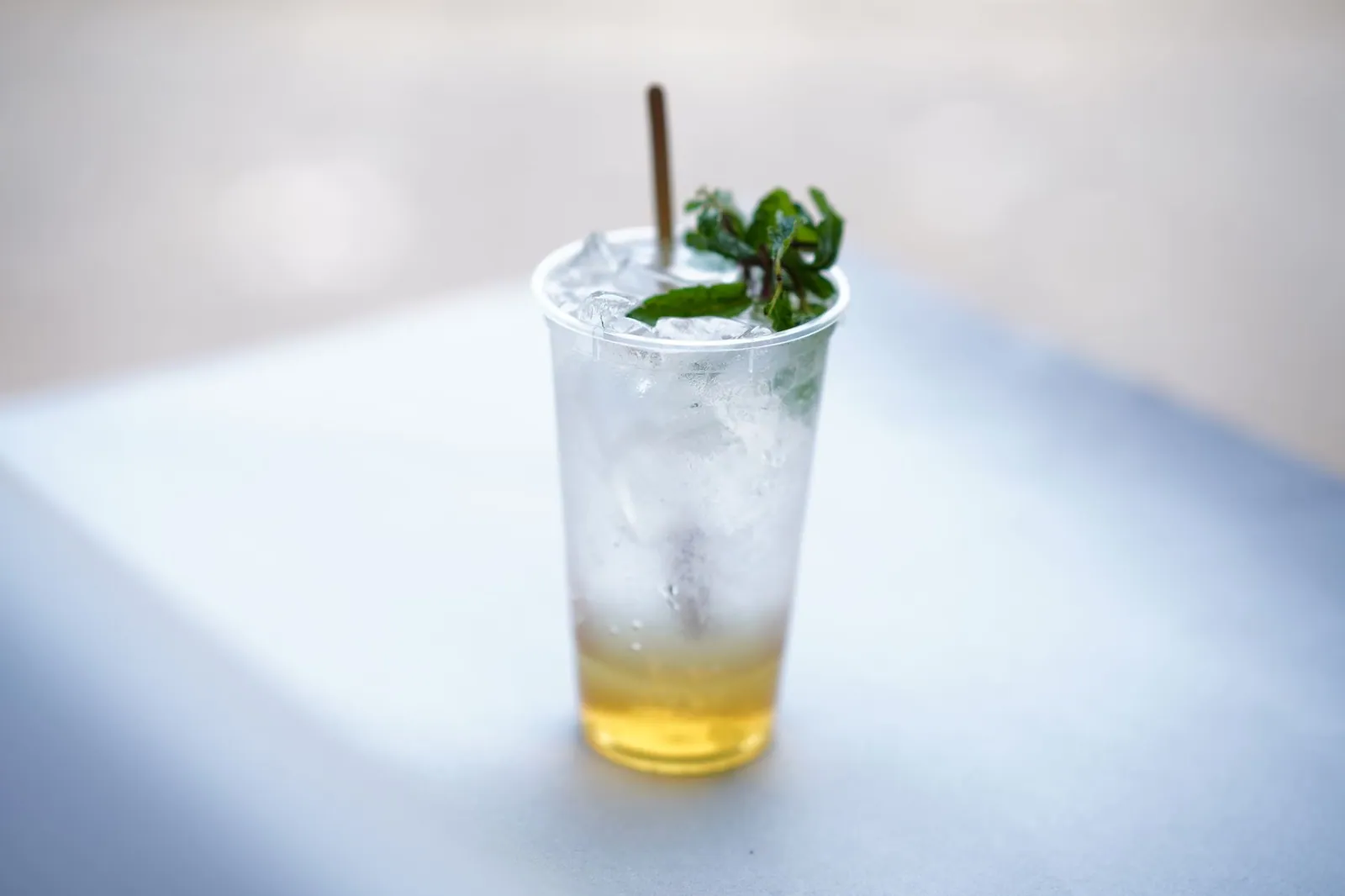
Iced Olive Leaf Tea
A summer drink from leaves left over after pruning: cold-brewed, with lemon and mint.
Recipe
Iced Olive Leaf Tea
A summer drink from leaves left over after pruning: cold-brewed, with lemon and mint.
 Recipe
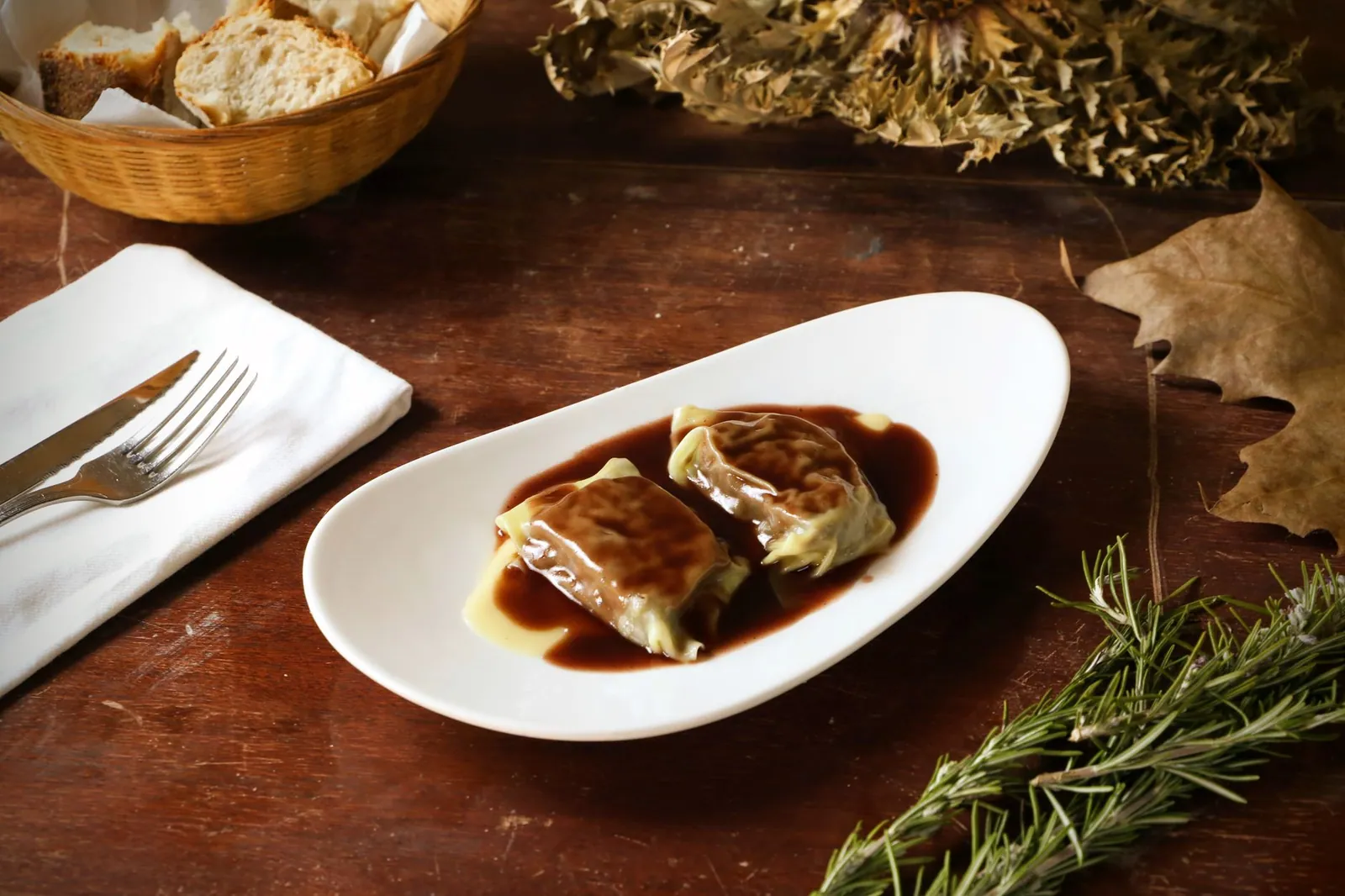
Cabbage Rolls in Olive Oil
The winter roll: blanched cabbage leaves around spiced rice, cooked with lemon.
Recipe
Cabbage Rolls in Olive Oil
The winter roll: blanched cabbage leaves around spiced rice, cooked with lemon.
 Recipe
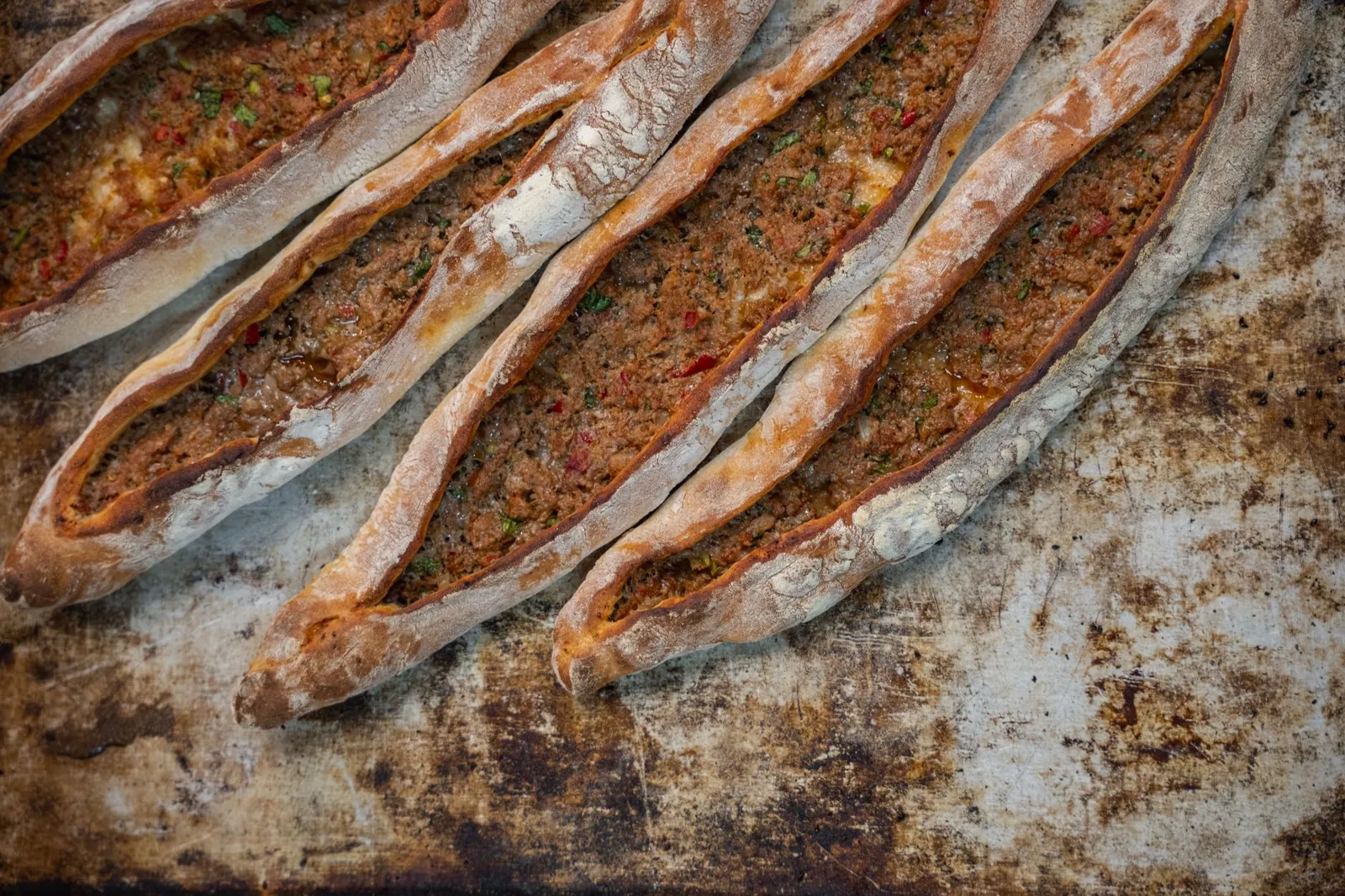
Open Olive Flatbread (Pide)
Black Sea style open flatbread topped with black olives, cheese and oregano — the smell fills the house as it bakes.
Recipe
Open Olive Flatbread (Pide)
Black Sea style open flatbread topped with black olives, cheese and oregano — the smell fills the house as it bakes.
 Recipe
Wild Fennel in Olive Oil
The aniseed-scented green of the Aegean coast: cooked slowly with rice, its aroma opening further as it cools.
Recipe
Wild Fennel in Olive Oil
The aniseed-scented green of the Aegean coast: cooked slowly with rice, its aroma opening further as it cools.