Cauliflower in Olive Oil
Winter's cheapest vegetable meets olive oil: lemon keeps it white, and short cooking keeps the sulphur at bay.
- Time
- 40 minutes
- Serves
- Serves 4
- Level
- Easy
- Cuisine
- Turkish
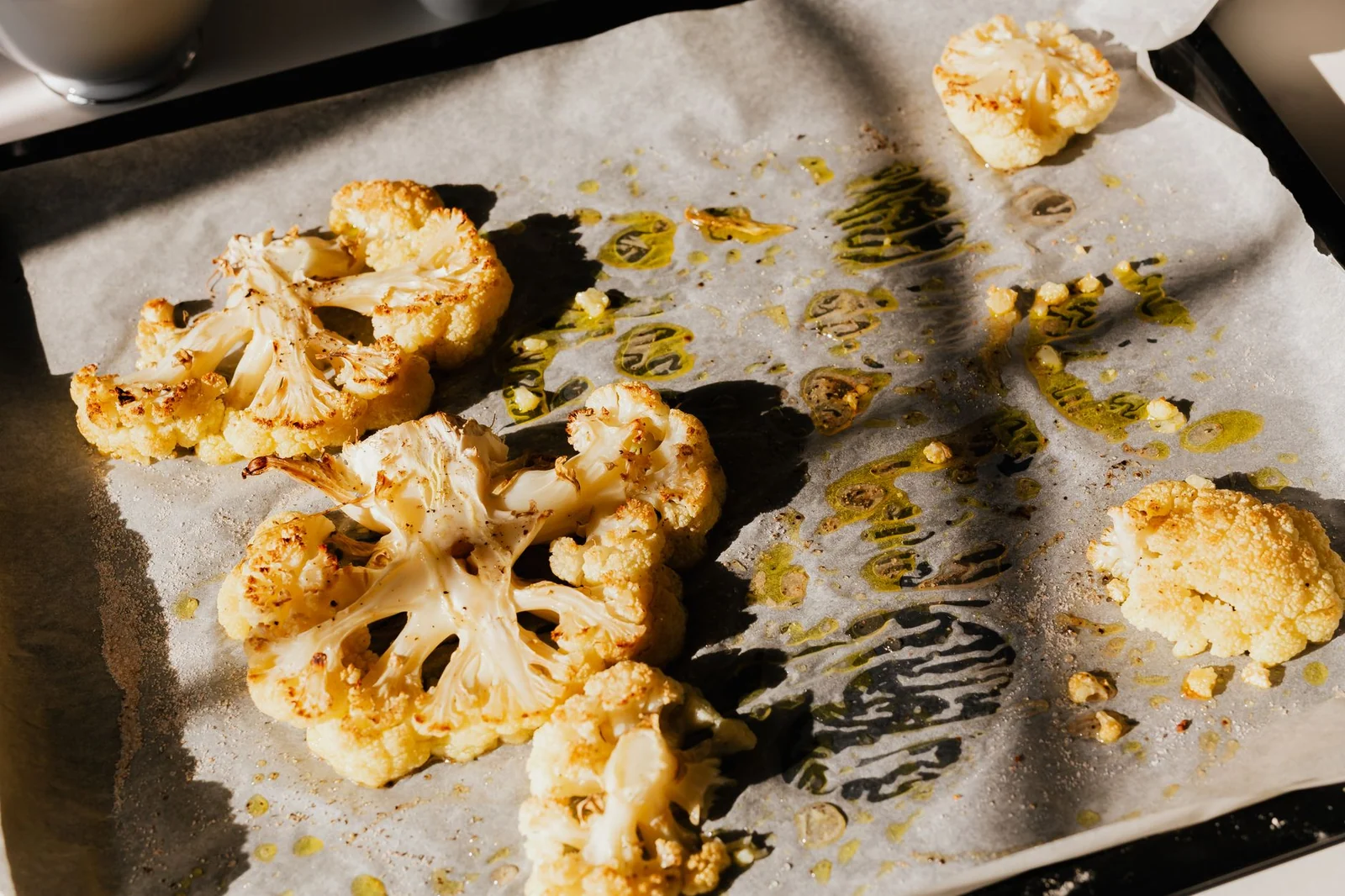
Cauliflower is a brassica — the same family as cabbage, broccoli and wild radish greens. What the family shares is sulphur compounds, and that explains cauliflower's only real problem in the kitchen: cooked too long, those compounds break down and leave an unpleasant smell.
The solution is simple and built into the recipe: cook it briefly. Eighteen to twenty minutes is enough; if a fork goes in easily, it is done. For the same reason, repeatedly lifting the lid does not help — it lets the smell out but also cools the pan.
The lemon does two jobs: it keeps the cauliflower white (in the holding water) and cuts the weight of the oil on the plate (at the end).
Directions
- Break the cauliflower into florets, keeping them roughly the same size.
- Hold them in cold water with half a lemon for ten minutes, then rinse.
- Heat the olive oil in a pan and soften the onion until translucent.
- Add the carrot and turn for three minutes.
- Add the grated tomato and cook until the liquid has gone.
- Add the cauliflower, sprinkle over the sugar and salt, and stir gently.
- Pour in the hot water and half the lemon juice, and cover.
- Cook over low heat for eighteen to twenty minutes, until a fork goes in easily — do not let it break up.
- Take off the heat, pour over the remaining lemon juice and leave to cool in the pan.
- Scatter with parsley and serve at room temperature.
Tips & storage
Cut the florets to the same size. Uneven florets cook unevenly; the small ones fall apart while the large ones stay raw.
Lemon water keeps it white. Cauliflower yellows slightly on contact with air. Ten minutes in acidulated water prevents it, and the difference shows on the plate.
Stir as little as possible. Cauliflower is fragile, and frequent stirring turns the florets to purée. Shaking the pan is enough.
A sulphurous smell means overcooked. If it appears, turn off the heat; cauliflower that has begun to smell cannot be brought back.
Don't skip the sugar. It balances cauliflower's faint bitterness without sweetening the dish.
Don't discard the leaves and core. The inner leaves and the peeled central stem cook in the same dish and are sweet.
Storage. Three days in the fridge. Better cold than hot.
One rating per visitor; you can change yours at any time. Ratings are real reader votes — no seeded or default scores.
Related
 Recipe
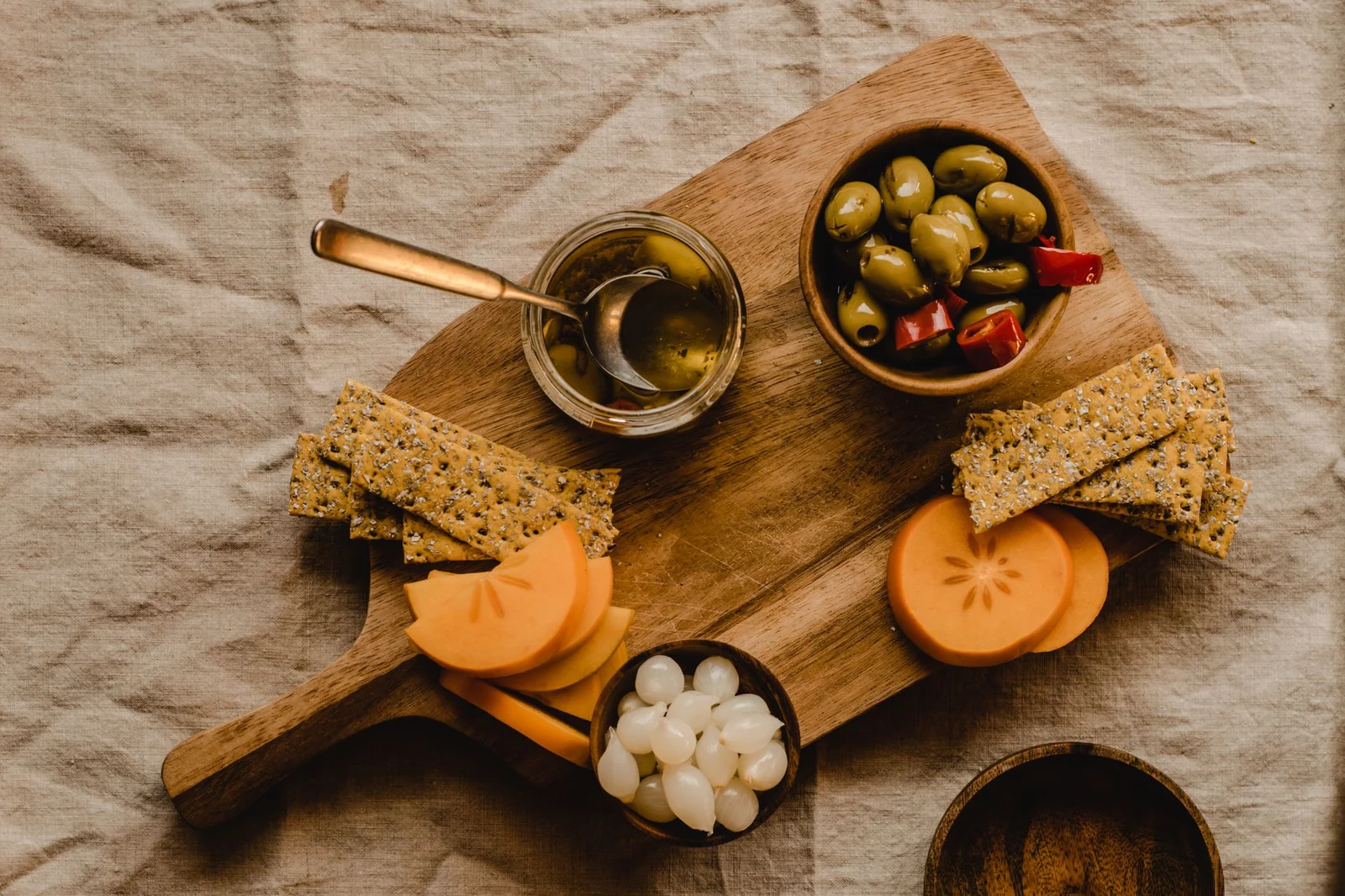
Olive Oil Crackers with Olives
No butter, no yeast, five ingredients: the recipe that shows most plainly what olive oil does in a dough.
 Recipe
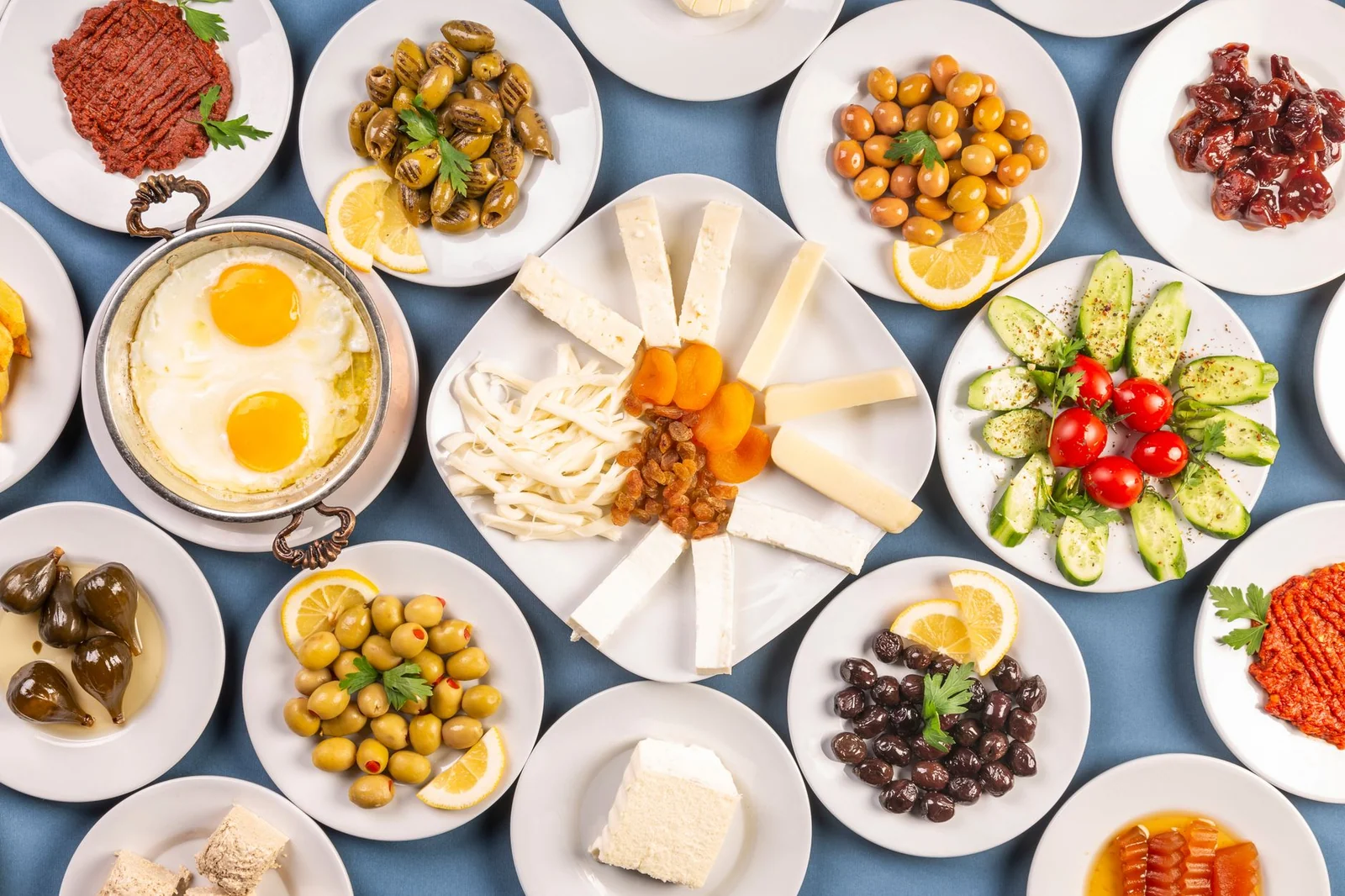
Wild Fennel in Olive Oil
The aniseed-scented green of the Aegean coast: cooked slowly with rice, its aroma opening further as it cools.
 Recipe
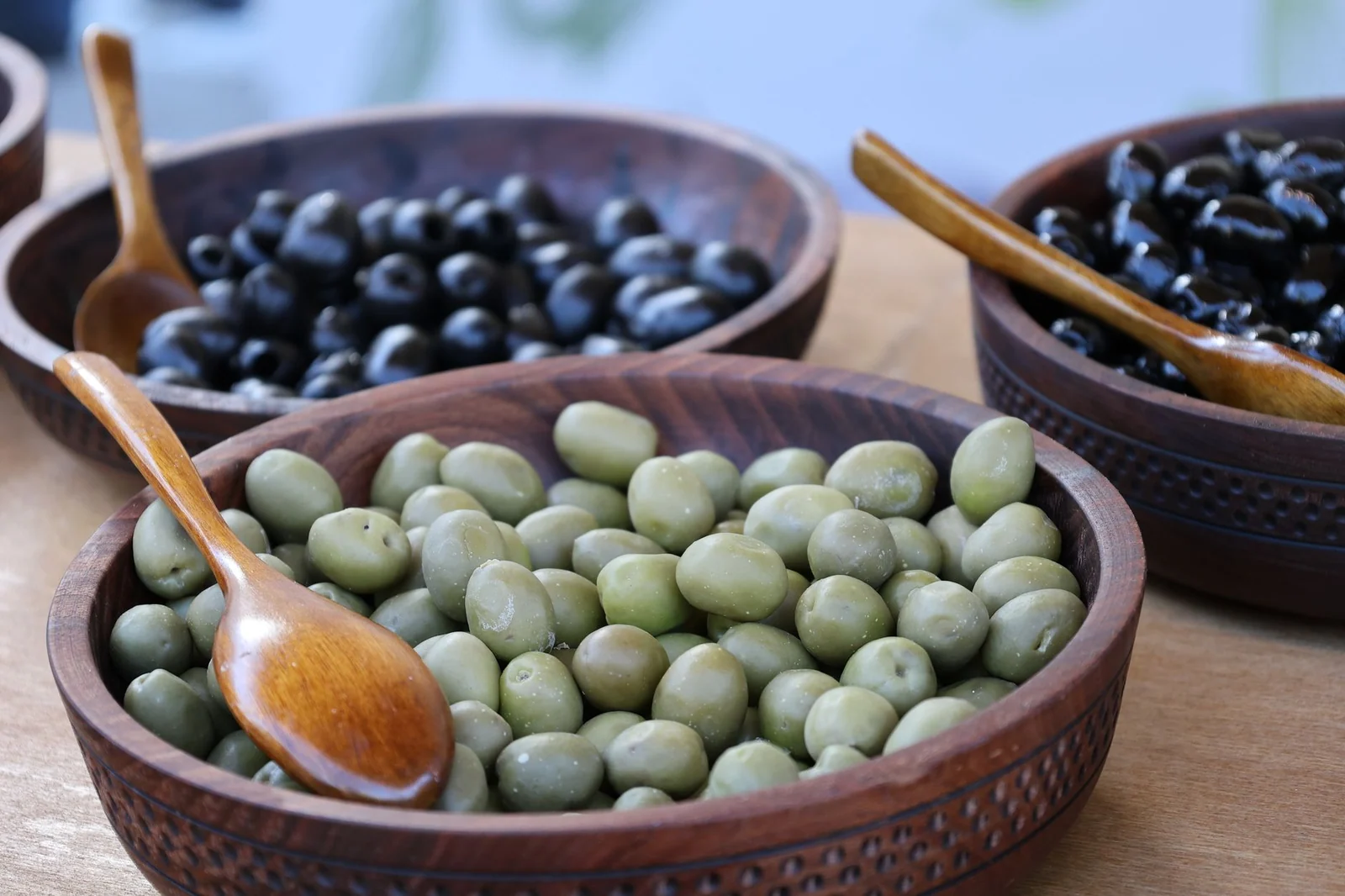
Scored Green Olives, Cured at Home
The sibling of the cracked olive that keeps its shape: the fruit is scored rather than crushed, so debittering takes a little longer but the olive stays whole and firm.
 Recipe
Broad Beans in Olive Oil
Spring's first olive-oil dish: young broad beans cooked in their pods, finished with garlic yoghurt.