Is olive oil good for fatty liver? What the trials and guidelines say
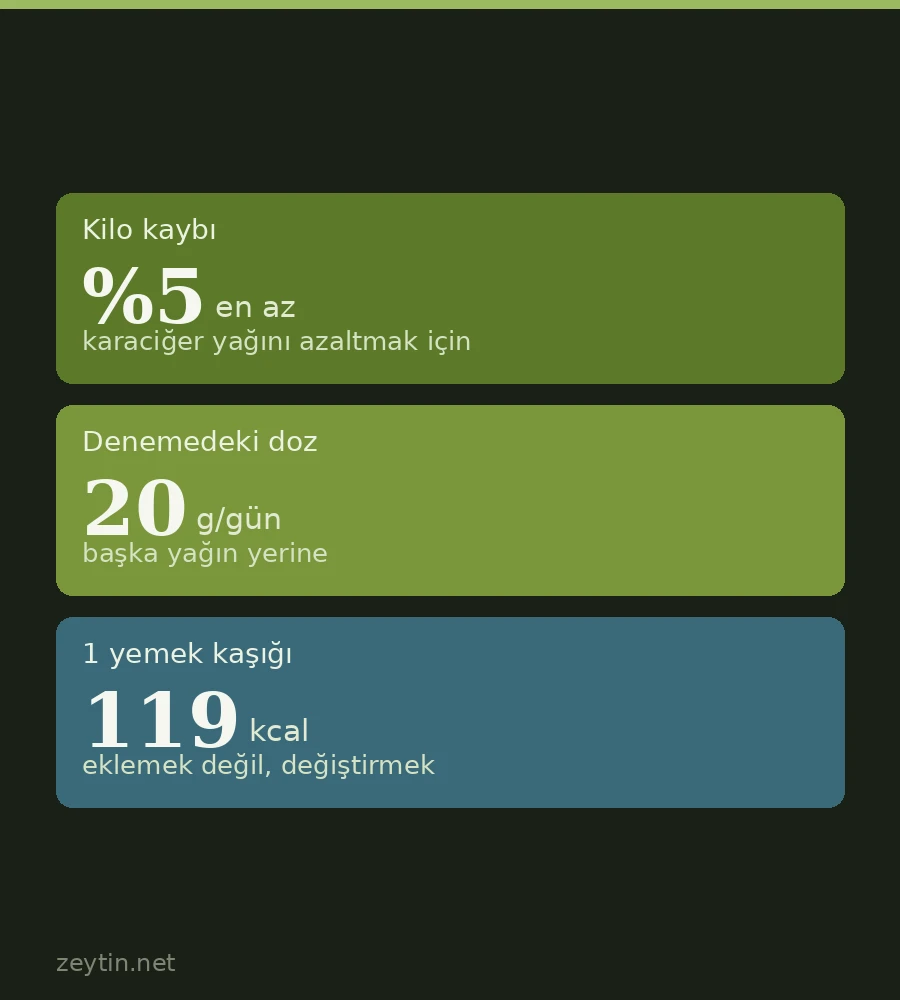
Olive oil does not cure fatty liver on its own, but trials show it can lower the degree of liver fat when it replaces other fats. European guidelines recommend a Mediterranean-style diet and 5-10% weight loss; adding spoonfuls on top can backfire because of the calories.
The short answer: olive oil is not a medicine that cures fatty liver on its own, but there is evidence that it helps when it is used the right way. In small trials, olive oil used in place of other fats lowered the degree of fat in the liver. European clinical guidelines, however, recommend it not as a separate treatment but as part of a Mediterranean-style diet. The main effect comes from weight loss, less sugar and more physical activity; olive oil earns its place inside that picture.
First, the name: fatty liver has a new label
The condition long known as non-alcoholic fatty liver disease (NAFLD) was renamed in 2023 through a consensus process involving 236 experts from 56 countries. The new name is MASLD, metabolic dysfunction-associated steatotic liver disease. A diagnosis requires fat in the liver plus at least one of five cardiometabolic risk factors: excess weight or a large waist, prediabetes or type 2 diabetes, high triglycerides, low HDL cholesterol and high blood pressure.
The new name also says what drives the disease: liver fat usually travels together with insulin resistance, body weight and blood lipids. Most of olive oil's possible benefit relates to that metabolic side.
What the guidelines say
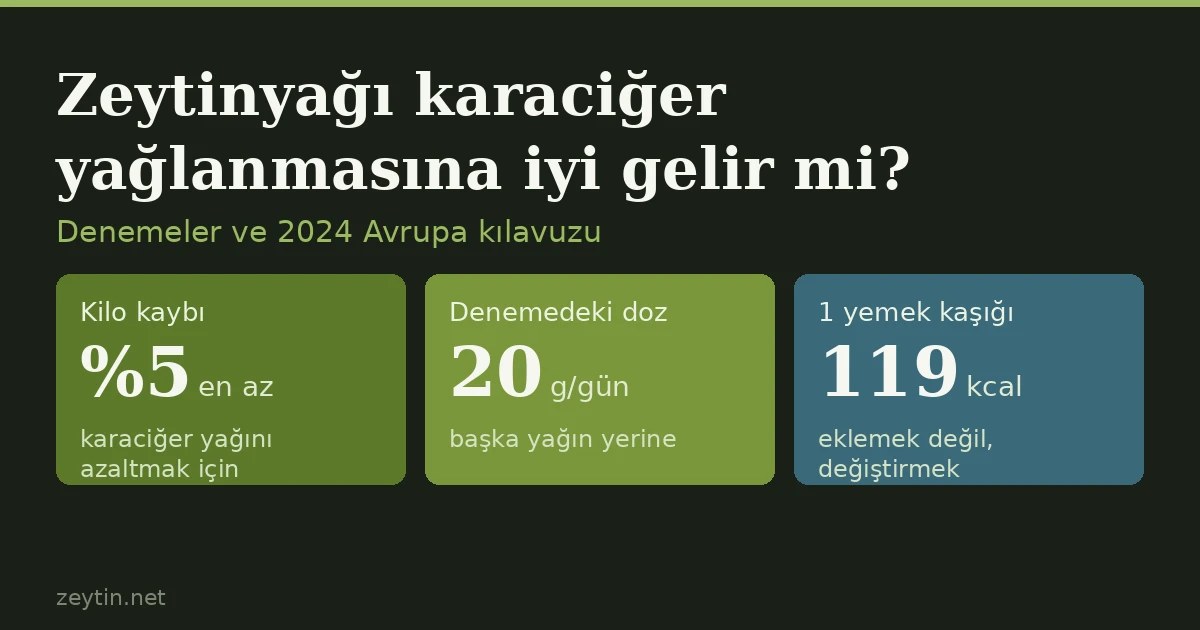
The MASLD guideline published jointly in 2024 by the European Association for the Study of the Liver (EASL), the European Association for the Study of Diabetes and the European Association for the Study of Obesity puts lifestyle at the base of treatment. Its weight-loss targets are explicit: a sustained loss of at least 5% to reduce liver fat, 7-10% to improve liver inflammation and at least 10% to improve fibrosis (scar tissue).
The dietary advice is equally clear: a good-quality diet similar to the Mediterranean pattern, limits on ultra-processed foods rich in sugar and saturated fat, and avoiding sugar-sweetened drinks. The guideline describes the Mediterranean diet as one high in olive oil, vegetables, fruit, nuts and seeds, legumes, whole grains and fish, and notes that its benefits for the liver can be seen even without weight loss. There is no separate recommendation for olive oil. The same guideline states that added sugars, especially fructose, play a major role in the development of the disease, and advises people with fatty liver to stay away from alcohol.
We explain what the Mediterranean diet actually involves in a separate article.
Trials that tested olive oil on its own
The cleanest way to separate olive oil's effect from the rest of the diet is to swap it for another oil and compare. Two trials stand out.
| Trial | Participants | Dose and duration | Result |
|---|---|---|---|
| Nigam et al., 2014 | 93 men, India | Up to 20 g a day, 6 months | In the olive oil group, grade I fatty liver fell from 73.3% to 23.3% of participants; no significant change in the soybean/safflower oil control group |
| Rezaei et al., 2019 | 66 patients, Iran | 20 g a day, 12 weeks, with a calorie-restricted diet | Fatty liver grade fell by an average of 0.75 points with olive oil and 0.29 points with sunflower oil |
In the Indian trial, canola oil produced a similar improvement, which suggests the effect may come from switching to oils rich in monounsaturated fat rather than from olive oil alone. In the Iranian trial, liver enzymes did not favour olive oil: both oils lowered AST, and only sunflower oil lowered ALT. Both studies graded liver fat by ultrasound, which is a fairly crude measure.
Mediterranean diet trials
In a small crossover trial published in 2013 by researchers in Australia, 12 non-diabetic patients with biopsy-confirmed fatty liver followed both a Mediterranean diet and a low-fat, high-carbohydrate diet for six weeks each. Liver fat measured by magnetic resonance spectroscopy fell by 39% on the Mediterranean diet and by 7% on the other diet, while weight loss did not differ between the two periods.
In a 100-person subgroup of the large Spanish PREDIMED trial, fatty liver was found after about three years in 3 of 34 people (8.8%) in the group assigned to a Mediterranean diet enriched with extra virgin olive oil, compared with 33.3% in both the nut-enriched Mediterranean group and the control group. There is an important limitation: liver fat was not measured at the start, so this finding compares a single measurement taken at the end of the trial.
The often-cited DIRECT PLUS trial in Israel (294 people, 18 months) should not be read as evidence about olive oil. The foods provided to its Mediterranean groups were walnuts, green tea and an aquatic plant; olive oil was not a variable in the trial.
What 25 studies add up to
A systematic review published in Nutrients in 2025 gathered 25 studies, 12 using olive oil alone and 13 using a Mediterranean diet built around extra virgin olive oil. Its conclusion is cautious: extra virgin olive oil, particularly when rich in phenolic compounds, is "a promising dietary strategy". But the authors stress that the studies differ widely and that high-quality randomised trials are lacking. Most did not report polyphenol content, most interventions lasted three months or less, and liver fat was measured by methods ranging from biopsy to ultrasound. There is still no large olive oil trial measuring hard outcomes such as fibrosis, cirrhosis or death.
The review names two possible mechanisms: oleic acid improving insulin sensitivity and reducing fat build-up in the liver, and phenols such as hydroxytyrosol and oleocanthal damping oxidative stress and inflammation. We cover these phenols in a separate article; the mechanisms should be read as the review's proposed explanation, not as something proven in humans.
The calorie trap: replace, don't add
What the trials have in common is that olive oil was not added to the diet but used instead of another fat. The distinction matters, because the first-line treatment for fatty liver is weight loss. A tablespoon of olive oil (13.5 g) contains about 119 calories; the 20 grams a day used in the trials comes to about 177 calories. Adding several spoonfuls of olive oil a day to an unchanged diet can cause weight gain and do the opposite of what was intended. We give the full calorie breakdown in how many calories are in olive oil.
For the same reason, the advice circulating on social media that "a spoonful of olive oil on an empty stomach cleanses the liver", or that an olive oil and lemon cleanse does the job, has no basis. We look at both claims in drinking olive oil on an empty stomach and the olive oil and lemon cleanse; for people with gallstones, a large fat load carries its own risk.
Which olive oil?
Most of the studies in the review used extra virgin olive oil, and the authors note better results with oils rich in phenols. In refined oil, including the blended "riviera" type sold in Turkey, most of these phenols are lost. The review also reports larger improvements in studies that lasted longer and used more than 30-50 grams of extra virgin oil a day. That amount equals 265-440 calories, so it only makes sense when it replaces other fats. We explain how phenol content affects price in why high-polyphenol olive oil is expensive.
What it means in practice
The research points to a simple package: use olive oil instead of butter, margarine or overheated frying oil in salads, vegetable dishes and cooking; cut sugary drinks and processed food; do at least 150 minutes of moderate activity a week; and, if overweight, lose weight and keep it off. Olive oil has its place as part of that whole, not as a cure on its own.
A note for readers
This article is general information, not a diagnosis or treatment advice. Anyone diagnosed with fatty liver, with raised liver enzymes, with diabetes or on medication should plan dietary changes with their doctor or a dietitian. The degree of fat seen on ultrasound does not by itself show whether there is fibrosis; that needs a separate assessment.
One rating per visitor; you can change yours at any time. Ratings are real reader votes — no seeded or default scores.
Related
 Article
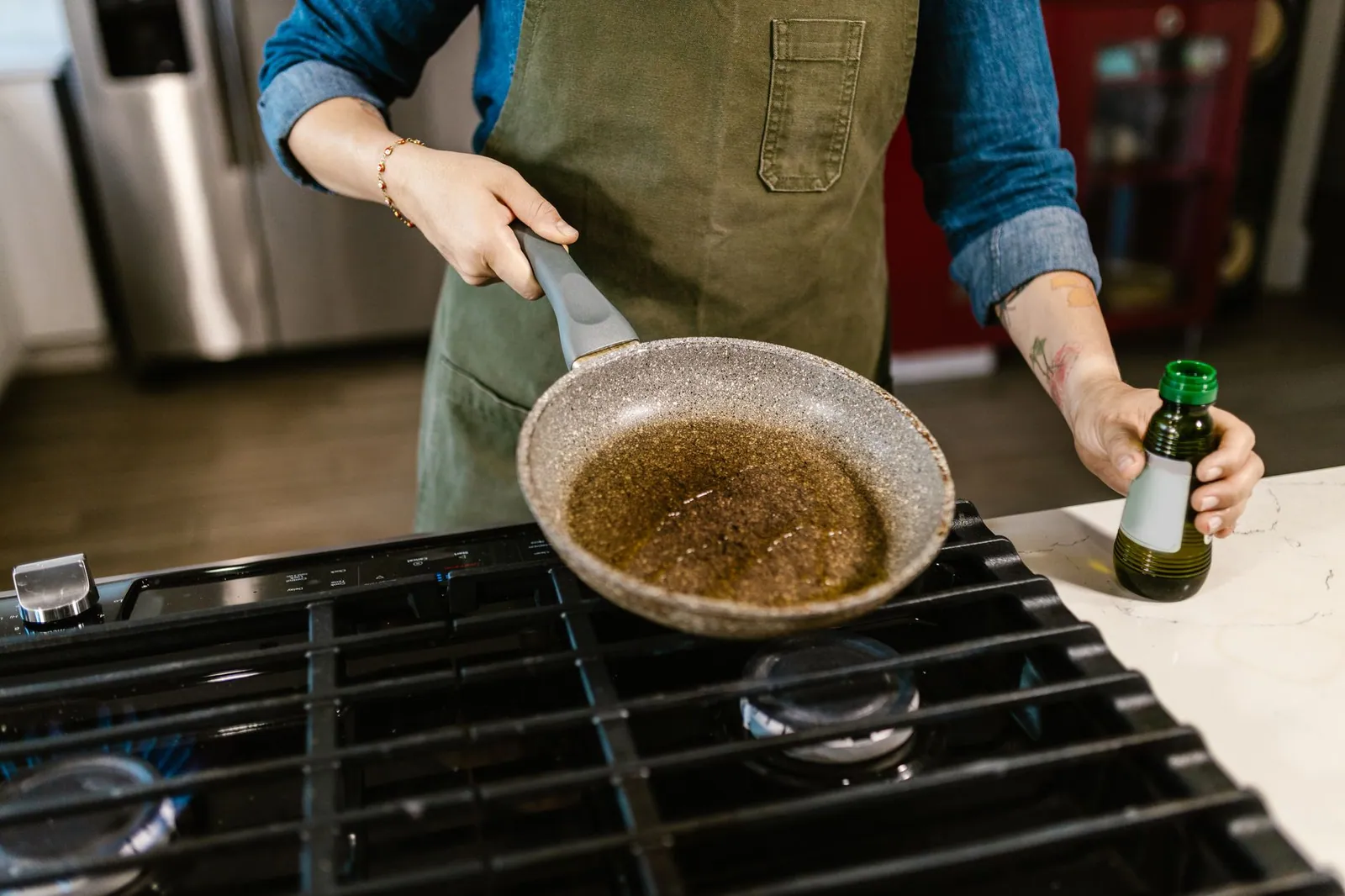
Is Olive Oil Suitable for Frying?
The most argued kitchen question. Smoke point is not the only measure; what really matters is how well the oil resists oxidation.
 Article
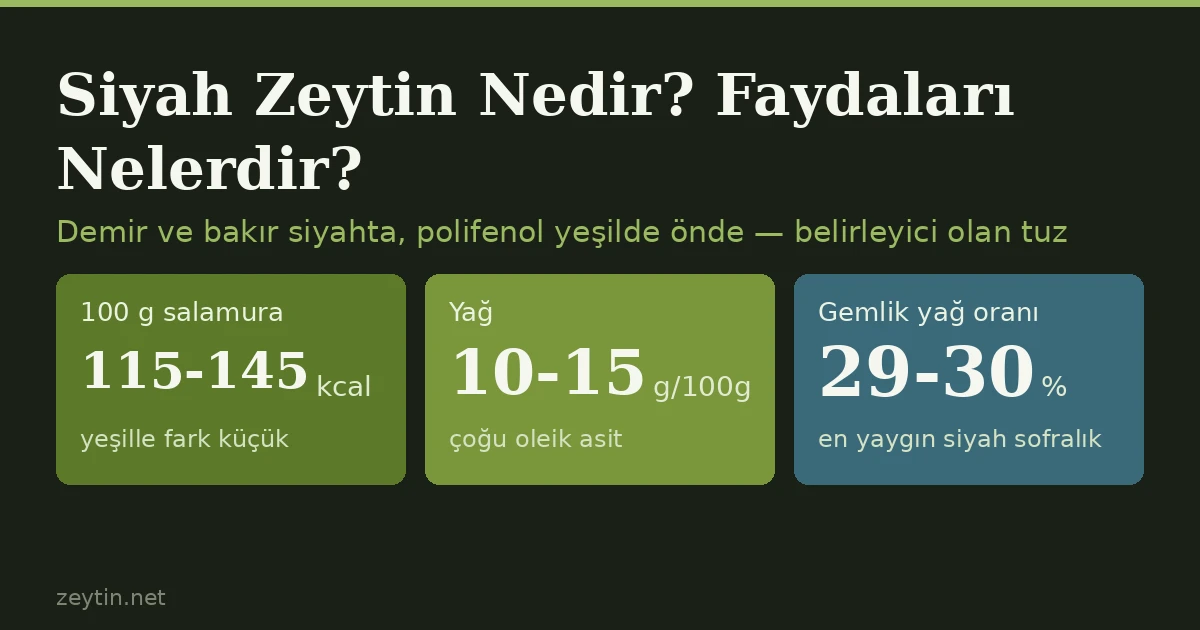
What Are Black Olives? What Are Their Benefits?
What black olives are, how they differ from green, and how many calories. Iron and copper, the polyphenol difference, and the two different black olives on the shelf.
 Article
Can you put olive oil on your skin? What the evidence says
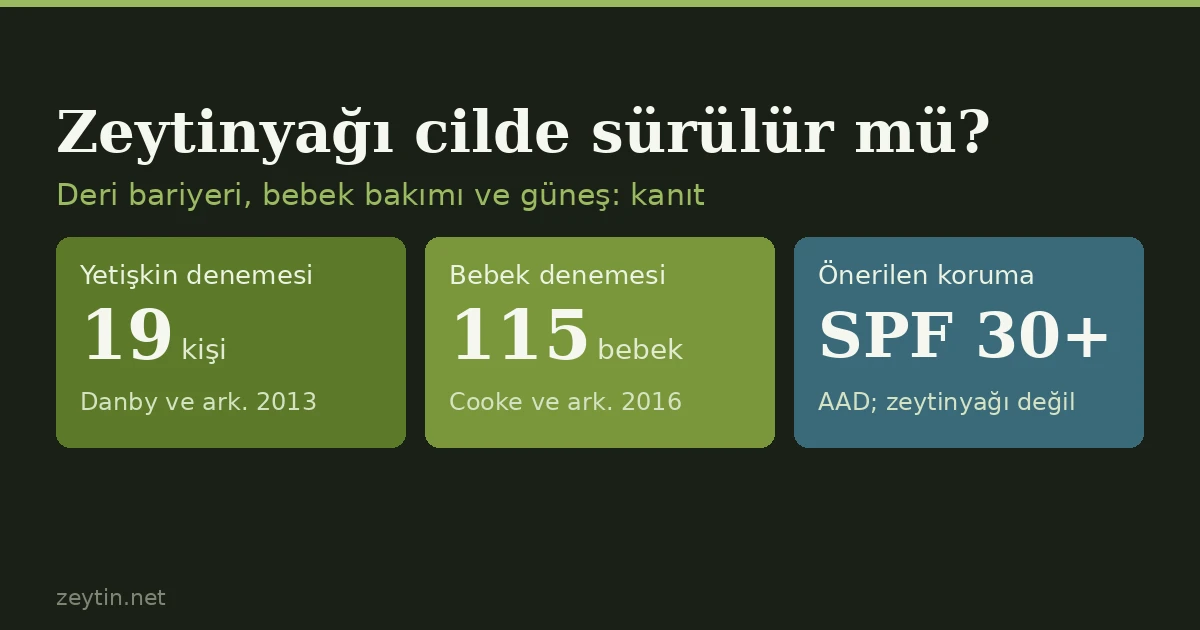
You can, but studies suggest regular use may weaken the skin barrier; it is not advised for eczema or babies and gives no sun protection.
 Article
What Are the Benefits of Olives? What Do They Actually Provide?
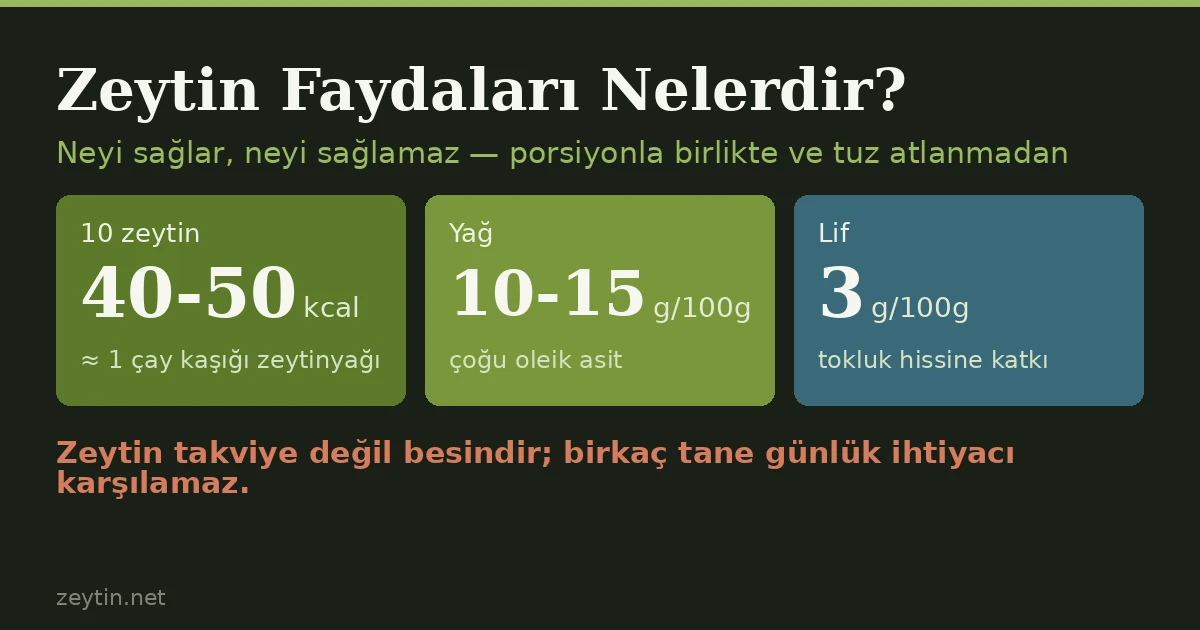
What olives do and do not provide. Fat, fibre, vitamin E, iron and polyphenols — without overstatement, with portions, and without skipping salt.