Does olive oil have downsides? Calories, the gallbladder, old oil and fraud
In normal kitchen amounts olive oil is a safe food; its downsides mostly come not from the oil itself but from quantity, misuse and poor products. High calories, discomfort after fatty meals in people with gallstones, the habit of drinking it on an empty stomach as a "cure", repeatedly reused frying oil and adulterated products are the main risks.

Most of what is written about olive oil concerns its benefits. In the benefits of olive oil we tried to separate what is proven from what is exaggerated. This page looks at the other side of the question: does olive oil do any harm?
The short answer is that in normal kitchen amounts olive oil is a safe food. Problems mostly arise not from the oil itself, but from how much, how and which oil is used.

1. Calories
Olive oil's most concrete "downside" is its energy. A tablespoon has about 120 calories, and oil poured over a salad by eye easily reaches 3-4 tablespoons. Olive oil makes sense when it replaces other fats in the diet; added on top of an existing diet because it is "healthy", it simply leads to weight gain. See how many calories are in olive oil for a measure table and how much olive oil a day for daily ranges.
2. Drinking olive oil on an empty stomach
Drinking a spoonful or two of olive oil on an empty stomach in the morning is a common habit. It does no great harm to a healthy person, but it has no proven special benefit either. Olive oil's effect depends not on when it is taken, but on what it replaces in the overall diet.
The real problem is turning the habit into a "cure". Recipes circulating online that recommend drinking large amounts of olive oil and lemon juice to "flush out" gallstones in particular are not supported by science. A heavy load of fat stimulates the gallbladder to contract; in someone with gallstones, this can cause painful colic. Such practices should not be tried without consulting a doctor.
3. The gallbladder and digestive complaints
People with gallstones or gallbladder disease may experience pain in the upper right abdomen, bloating and nausea after fatty meals. This is not specific to olive oil; any fatty food can have the same effect. Still, it is right for these people to follow their doctor's advice before adding plenty of oil to their plates.
Large amounts of fat can also cause diarrhoea and indigestion in healthy people. Again, this is a matter of quantity.
4. Reused frying oil
Contrary to popular belief, olive oil is suitable for frying. The smoke point of extra virgin olive oil is about 190-210 °C, and home frying is usually done at 170-190 °C. The problem is not frying itself but using the same oil again and again. Each use breaks the oil down: it darkens, starts to foam and accumulates unwanted compounds. Oil that smokes, darkens or smells sharp should be discarded.
5. Old and rancid oil
Olive oil does not improve with age. Oil kept in light, in heat or open for a long time oxidises and turns rancid. Rancid oil smells of old paint, putty or stale walnuts. It tastes bad, carries oxidation products and has lost most of its beneficial polyphenols. That makes how to store olive oil a health topic as well.
Unfiltered oil needs extra care. The sediment at the bottom of the bottle carries fruit particles and water; over months it can ferment and rot, giving the oil a defective smell and taste known as "muddy sediment". That is why it makes sense to keep unfiltered oil somewhere cool, use it within a few months and not pour out the sediment at the very bottom.
6. Fraud and poor products
For consumers, the most serious risk is that the bottle does not really contain olive oil. Oil blended with other vegetable oils, coloured, or of low quality and sold as "extra virgin" is economic deception, and it also means you do not know what you are consuming. Products priced well below the market deserve caution for this reason. We covered the methods and how to read inspection results in olive oil fraud and adulteration.
For solvent-extracted oils such as pomace oil, there are legal limits for contaminants that can form during processing. The news of pomace oil recalled in Germany is a recent example of why those limits are enforced.
7. Allergy
Genuine allergy to olive oil is very rare. Olive pollen, on the other hand, is a major cause of spring allergies in Mediterranean countries; but someone with pollen allergy is not expected to react to olive oil as well. For details, see olive pollen allergy.
8. Applying it to skin
Olive oil is also used in traditional skin care. In adults it is mostly unproblematic. However, there is research suggesting that regular olive oil massage on babies' skin may weaken the skin barrier; for babies prone to atopic eczema, a paediatrician's advice should be followed.
Who should be more careful?
- People trying to lose weight: measure the amount.
- People with gallstones or gallbladder disease: consult a doctor about fatty meals and "cures".
- People taking medication that affects blood clotting: discuss large, sudden dietary changes with their doctor.
Reading notes
This article is general information, not a diagnosis or treatment recommendation. If you have a chronic condition, plan changes to your diet together with your doctor.
One rating per visitor; you can change yours at any time. Ratings are real reader votes — no seeded or default scores.
Related
 Article
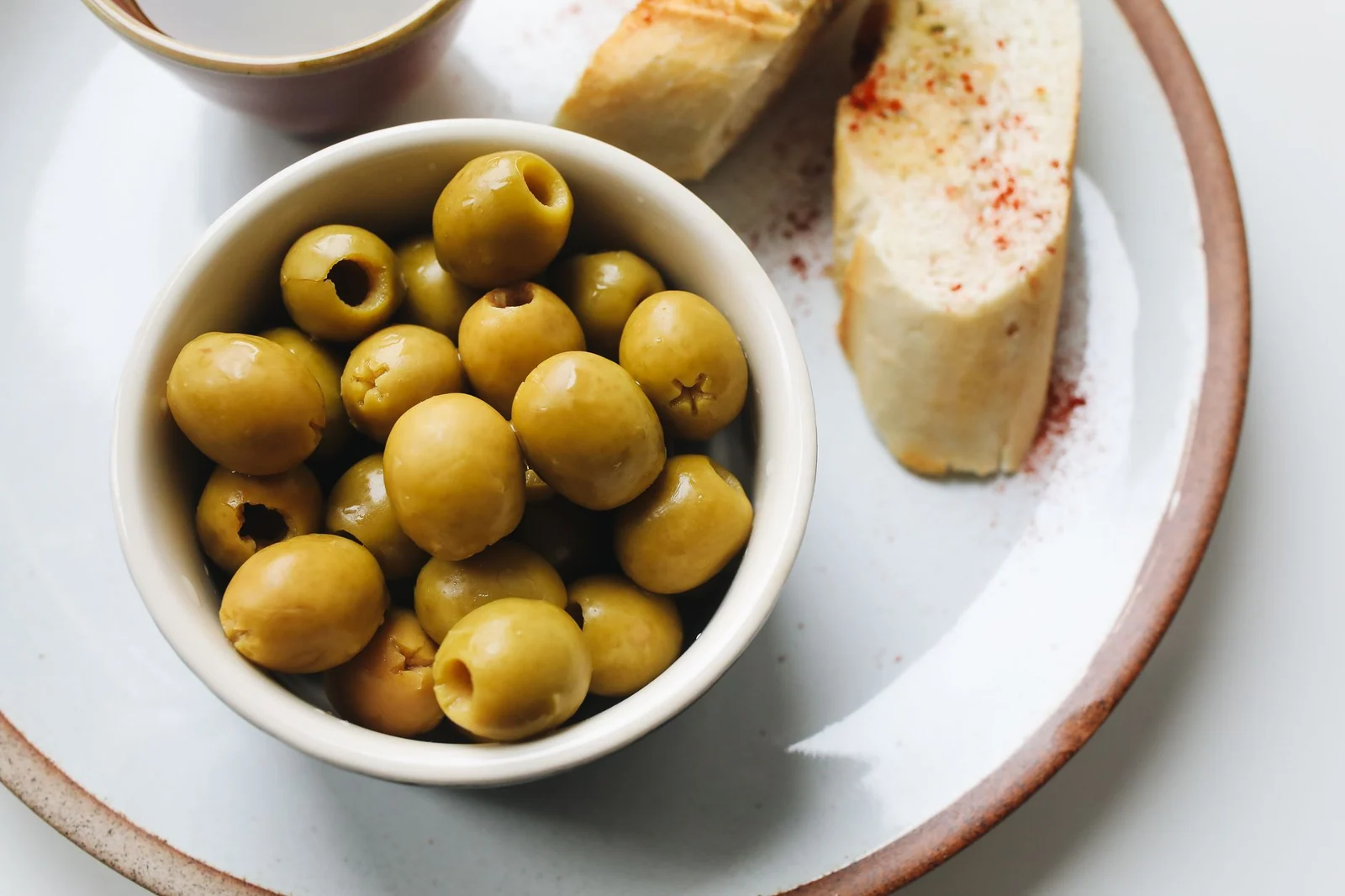
Which olive is healthiest?
In olives the health difference comes from curing and salt, not the variety: nutrition, salt content and green vs black.
Article
Which olive is healthiest?
In olives the health difference comes from curing and salt, not the variety: nutrition, salt content and green vs black.
 Article
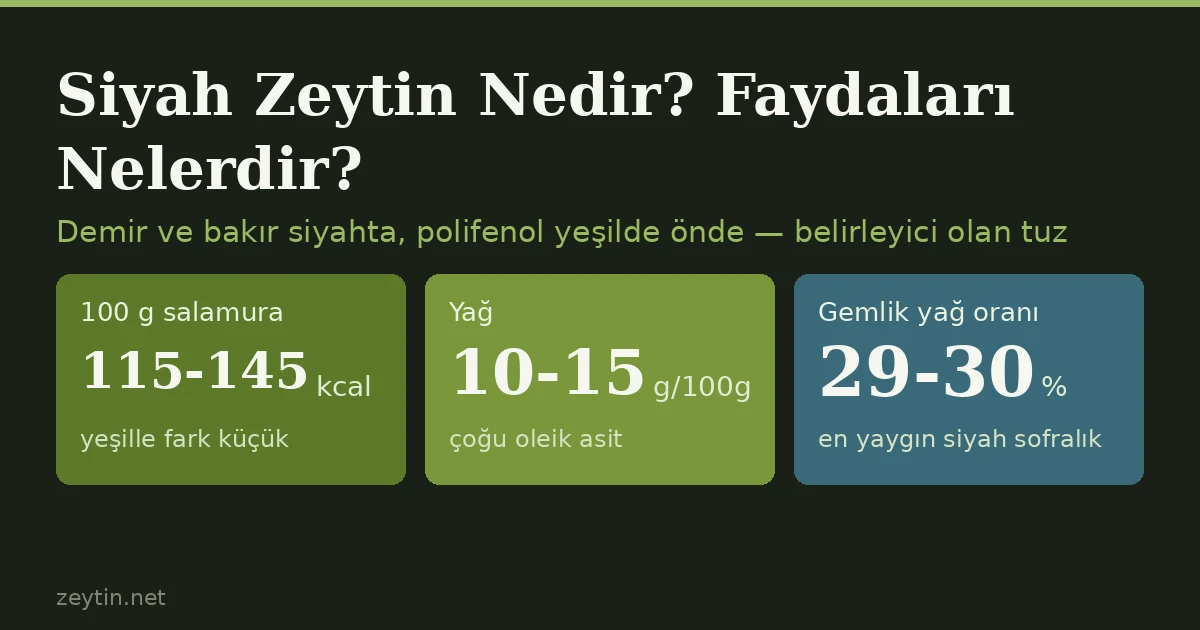
What Are Black Olives? What Are Their Benefits?
What black olives are, how they differ from green, and how many calories. Iron and copper, the polyphenol difference, and the two different black olives on the shelf.
Article
What Are Black Olives? What Are Their Benefits?
What black olives are, how they differ from green, and how many calories. Iron and copper, the polyphenol difference, and the two different black olives on the shelf.
 Article
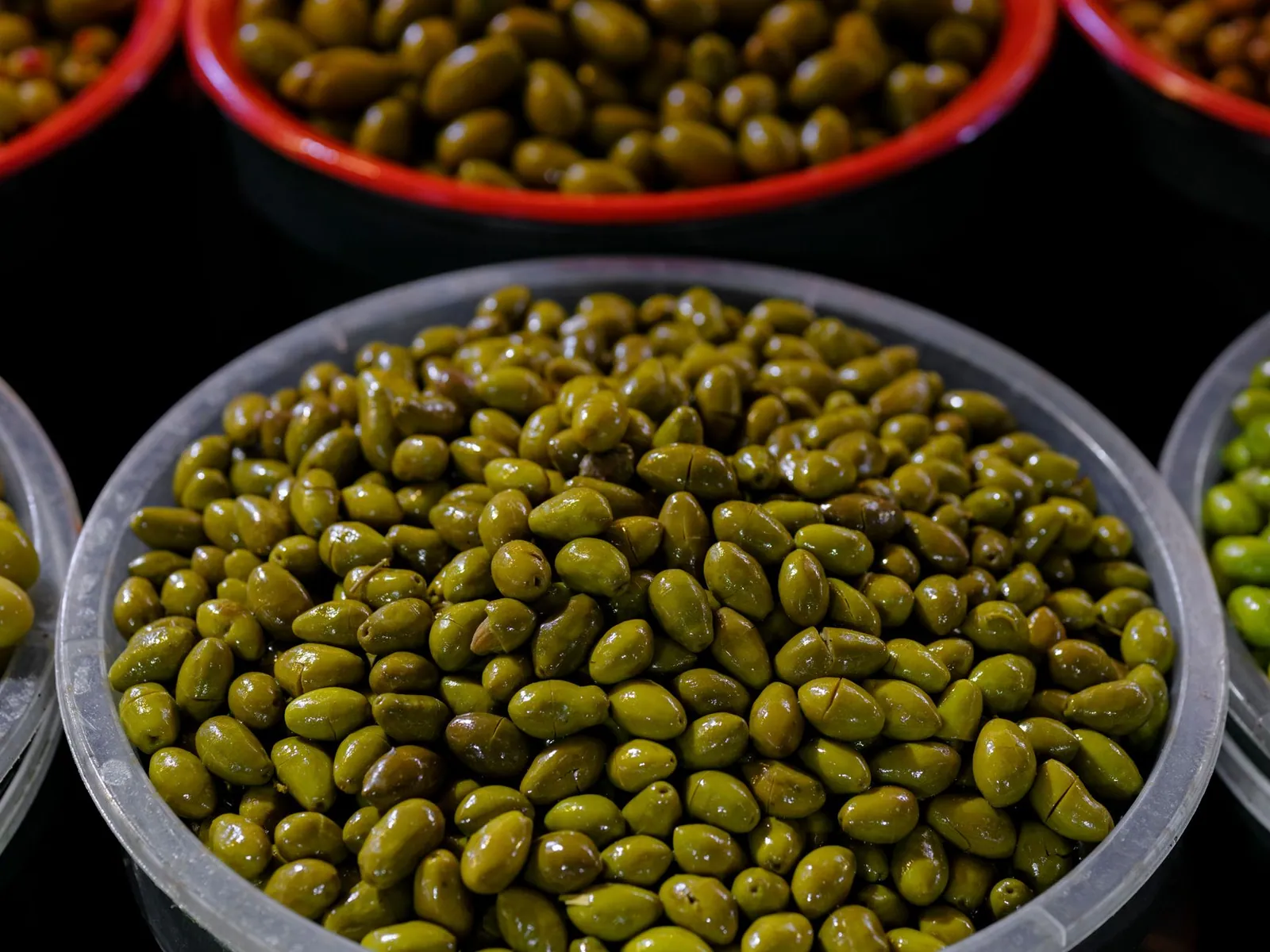
Oleocanthal and Polyphenols
Why does a good extra virgin oil sting the throat? That sensation is not a flaw but the mark of a measurable compound.
Article
Oleocanthal and Polyphenols
Why does a good extra virgin oil sting the throat? That sensation is not a flaw but the mark of a measurable compound.
 Article
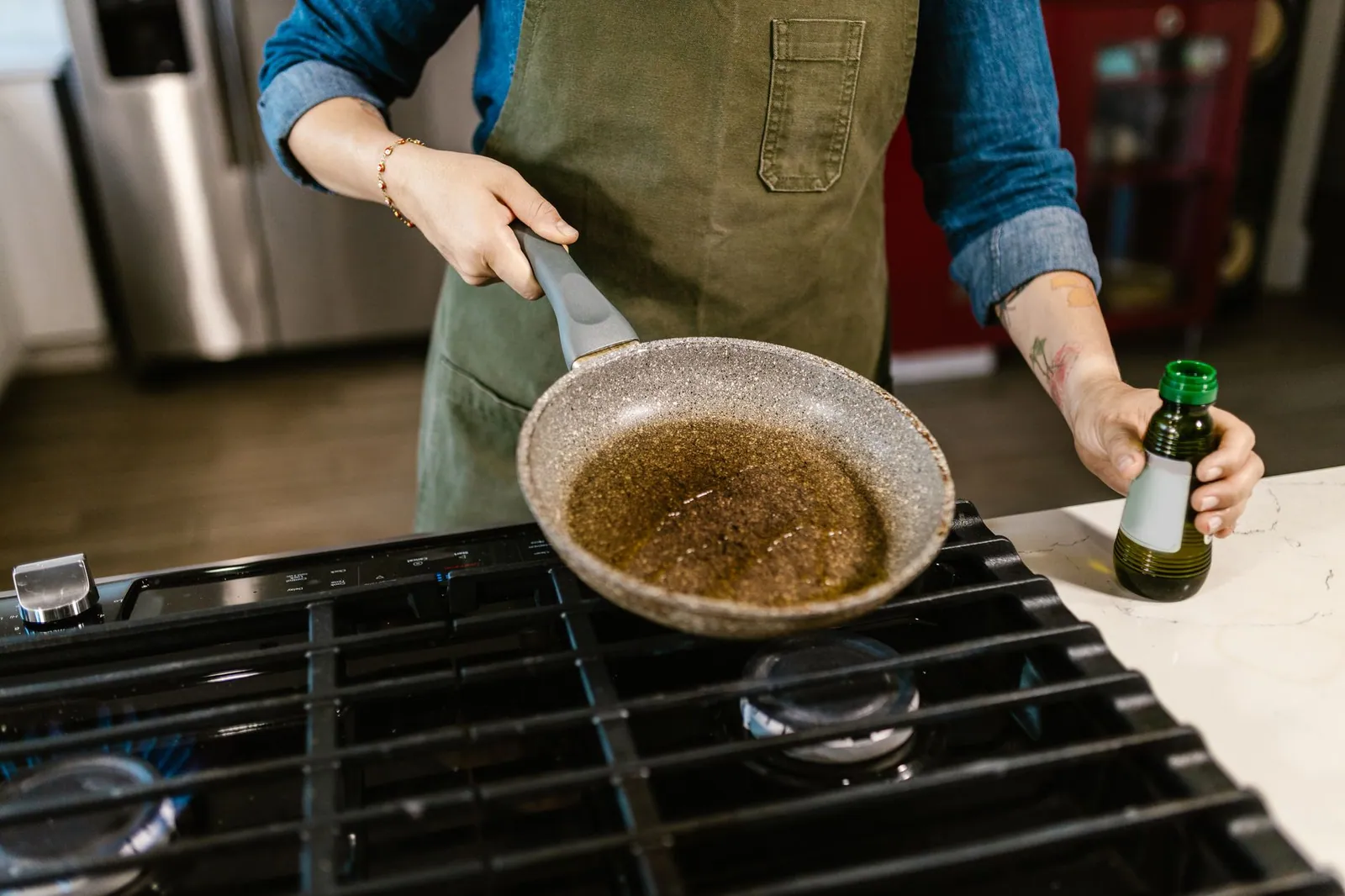
Is Olive Oil Suitable for Frying?
The most argued kitchen question. Smoke point is not the only measure; what really matters is how well the oil resists oxidation.
Article
Is Olive Oil Suitable for Frying?
The most argued kitchen question. Smoke point is not the only measure; what really matters is how well the oil resists oxidation.