Does olive oil raise cholesterol? Cholesterol content, LDL and the "clears arteries" claim
Olive oil contains no cholesterol, and when it replaces saturated fat it helps maintain normal blood cholesterol levels. But every spoonful added to a diet also brings calories, and there is no evidence that olive oil clears arteries. A saturated fat table and the authorised health claims.
"Does olive oil raise cholesterol?" is really two questions asked together. First: does olive oil contain cholesterol? Second: does eating olive oil raise cholesterol in the blood? The answers are different, and mixing them up leads to wrong conclusions.
Does olive oil contain cholesterol?
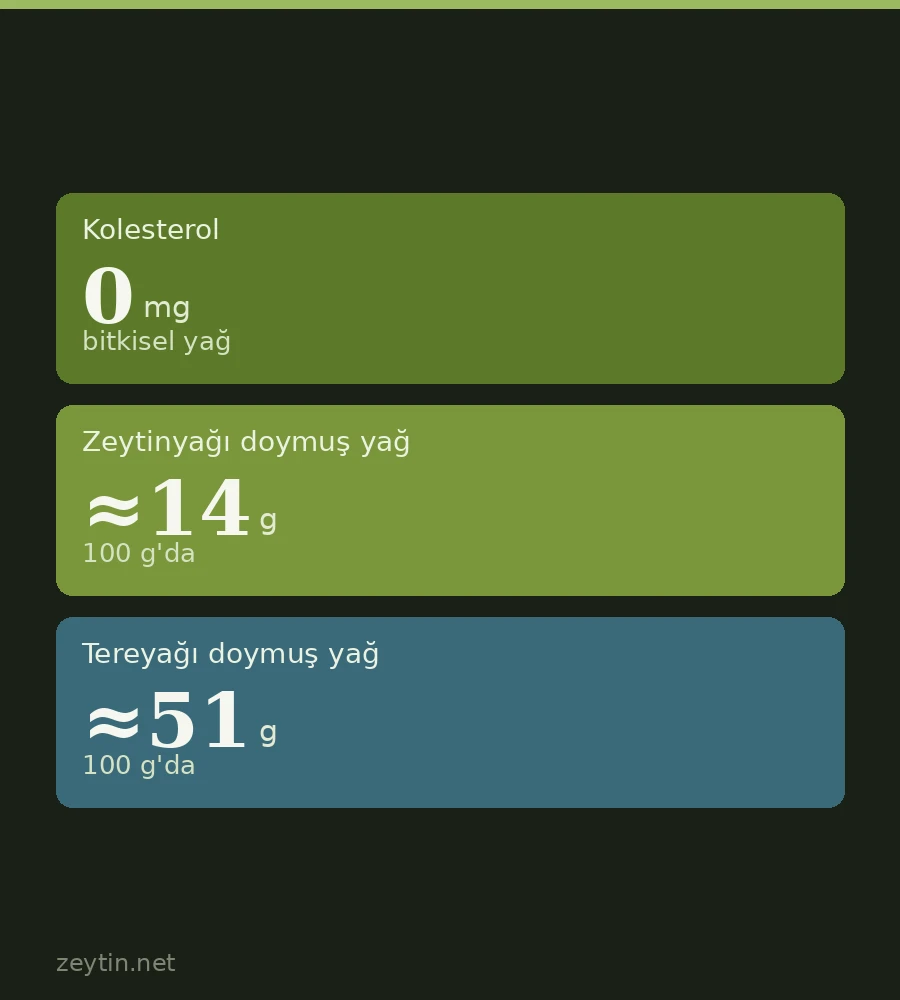
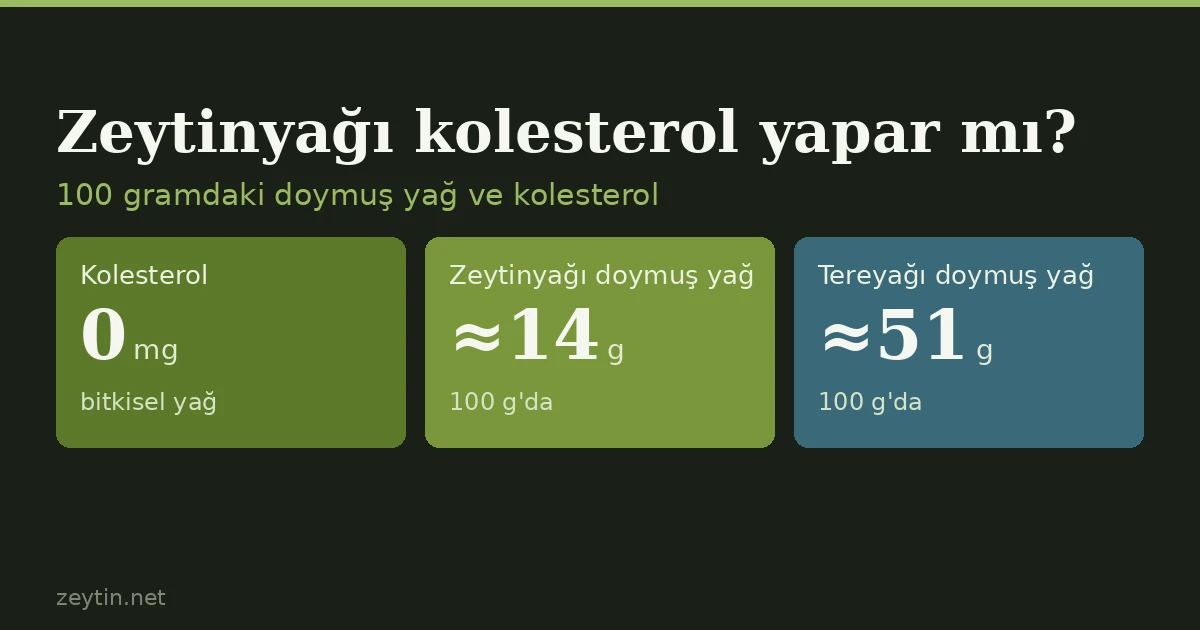
No. Cholesterol is found only in foods of animal origin. None of the vegetable oils, including olive, sunflower and rapeseed oil, contain cholesterol. In the nutritional profile of olive oil, the cholesterol line reads zero.
On its own, though, this does not show that an oil is good for blood cholesterol. What affects blood cholesterol far more than the cholesterol we eat is which fatty acids a fat is made of.
What raises blood cholesterol?
In the diet, the factor that most clearly raises LDL cholesterol, known as "bad" cholesterol, is saturated fat. Fats rich in saturated fat, such as butter, lard, coconut oil and palm oil, are therefore among those people are advised to limit.
| Fat | Saturated fat (per 100 g) | Cholesterol |
|---|---|---|
| Coconut oil | ≈82 g | 0 |
| Butter | ≈51 g | present |
| Palm oil | ≈49 g | 0 |
| Olive oil | ≈14 g | 0 |
| Sunflower oil | ≈10 g | 0 |
| Rapeseed (canola) oil | ≈7 g | 0 |
The table shows one thing honestly: olive oil is not the lowest in saturated fat; sunflower and rapeseed oil carry less. What sets olive oil apart is that about three quarters of its fat is monounsaturated oleic acid, and that extra virgin oil contains polyphenols.
The authorised claims: "replacing"
Two health claims on this topic are authorised in the European Union, and both need careful reading:
1. Replacing saturated fat with unsaturated fat in the diet contributes to maintaining normal blood cholesterol levels. Oleic acid is an unsaturated fat.
2. Olive oil polyphenols contribute to protecting blood lipids from oxidative stress. This claim applies only to oils containing at least 5 mg of hydroxytyrosol and its derivatives per 20 grams.
The key word in the first claim is replacing. Someone who uses olive oil instead of butter cuts their saturated fat intake. Someone who adds a few spoonfuls of olive oil a day to their existing diet has not cut saturated fat at all, only added calories. A tablespoon of olive oil is about 120 calories, and weight gain can also affect blood lipids adversely. For the calorie maths, see how many calories are in olive oil.
Trans fat: the hidden line
Another factor as important as saturated fat is trans fat. Found in partially hydrogenated vegetable oils and some ready-made baked goods, trans fat raises LDL cholesterol while lowering HDL, the "good" cholesterol. Being of plant origin does not mean a fat is free of trans fat. Because of the way it is produced, olive oil carries no significant trans fat. Limiting products labelled "partially hydrogenated" is a complementary step to choosing the right oil.
Extra virgin or refined blend?
In terms of fatty acid profile there is little difference between extra virgin and refined olive oil blends; both work the same way when they replace saturated fat. The difference is in polyphenols. The second authorised claim, protecting blood lipids from oxidation, applies only to extra virgin oils high in polyphenols. Refined oils lose most of their polyphenols.
What did the Mediterranean diet show?
In a large study carried out in Spain, known as PREDIMED, a Mediterranean-style diet enriched with extra virgin olive oil was associated with roughly a one-third reduction in major cardiovascular events in people at high cardiovascular risk, compared with a group advised to follow a low-fat diet. That result reflects not olive oil alone but a whole dietary pattern: vegetables, pulses, fish, nuts and less processed meat. For details, see what is the Mediterranean diet and olive oil and heart health.
"Does olive oil clear arteries?"
No, there is no evidence for that. No reliable study shows that olive oil, or any food, "cleans out" plaques that have built up in artery walls over years. "Artery-clearing cures" such as drinking olive oil and lemon on an empty stomach are therefore not a treatment. We explained why such practices can carry risks in does olive oil have downsides.
What the evidence supports is more modest: people who use olive oil in place of saturated fat, and who generally eat a Mediterranean-style diet, have lower cardiovascular risk.
What should people with high cholesterol do?
- Swap fats, do not add them. Use olive oil instead of butter and margarine; do not increase total fat.
- Measure. Measuring with a spoon in salads and cooking prevents hidden calories.
- Look at the rest of the plate. Fibre, pulses, vegetables and whole grains matter as much for cholesterol as the choice of fat.
- Do not stop medication. If you take cholesterol-lowering medication, dietary change does not replace it; make decisions together with your doctor.
Reading notes
The values in the table are averages from food composition databases. This article is general nutrition information, not a diagnosis or treatment recommendation.
One rating per visitor; you can change yours at any time. Ratings are real reader votes — no seeded or default scores.
Related
 Article
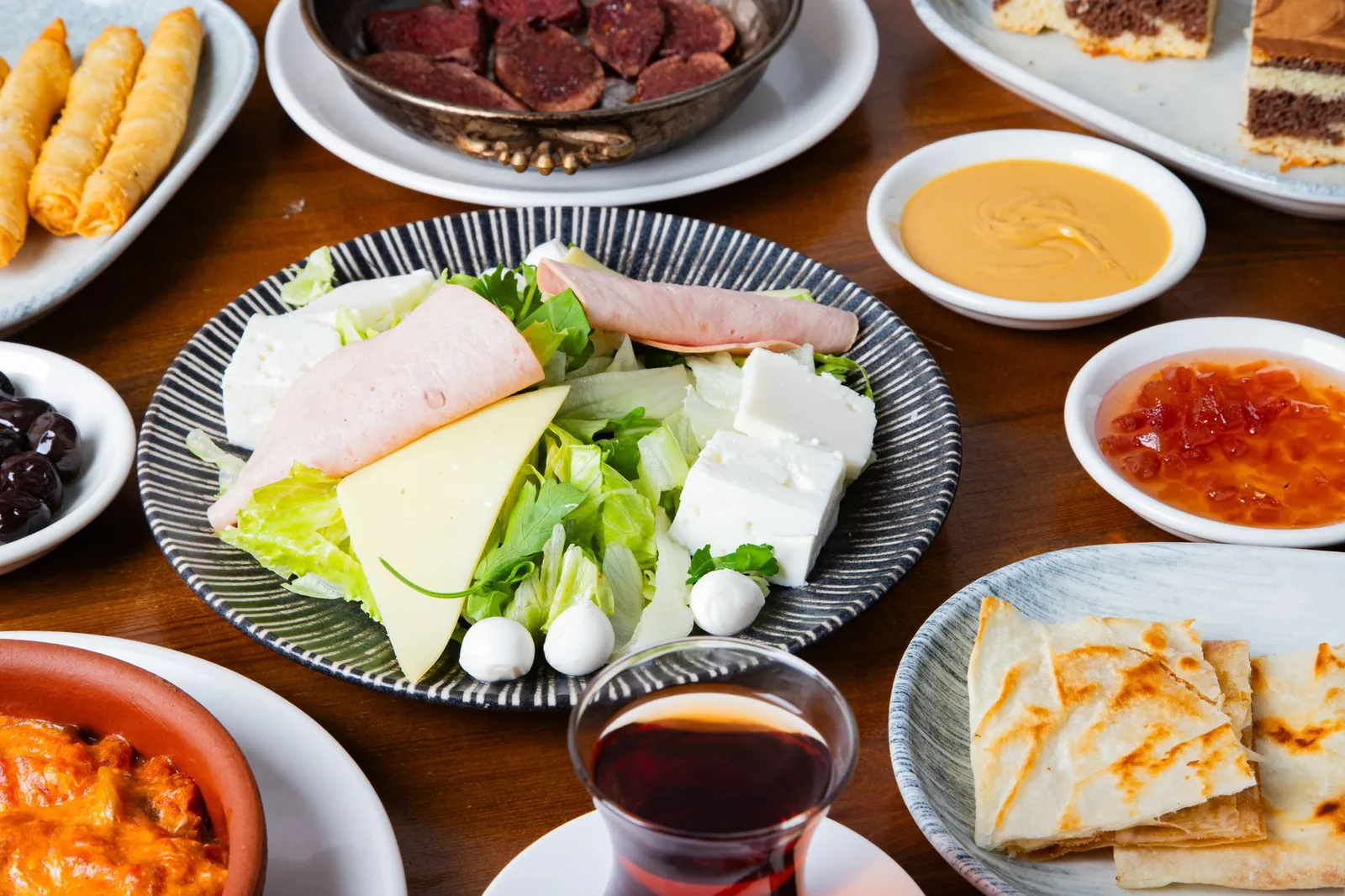
What Is the Mediterranean Diet?
Not a weight-loss plan but a pattern of eating. The basics of the Mediterranean way of eating, recognised by UNESCO, and where olive oil sits within it.
Article
What Is the Mediterranean Diet?
Not a weight-loss plan but a pattern of eating. The basics of the Mediterranean way of eating, recognised by UNESCO, and where olive oil sits within it.
 Article
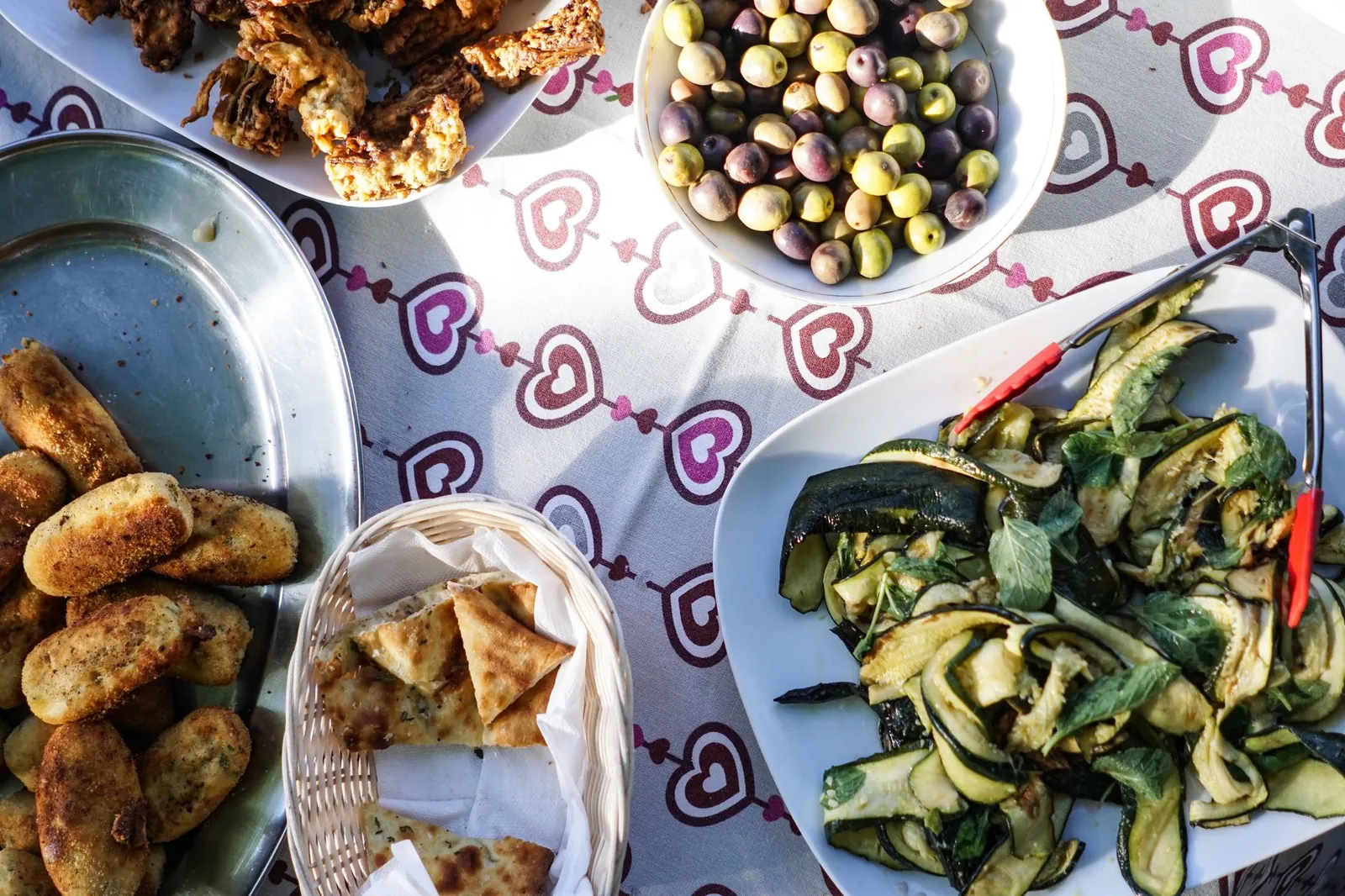
Olive Oil and Heart Health
Why is Mediterranean cooking so often linked with cardiovascular health? Unsaturated fats, polyphenols, and replacing saturated fat.
Article
Olive Oil and Heart Health
Why is Mediterranean cooking so often linked with cardiovascular health? Unsaturated fats, polyphenols, and replacing saturated fat.
 Article
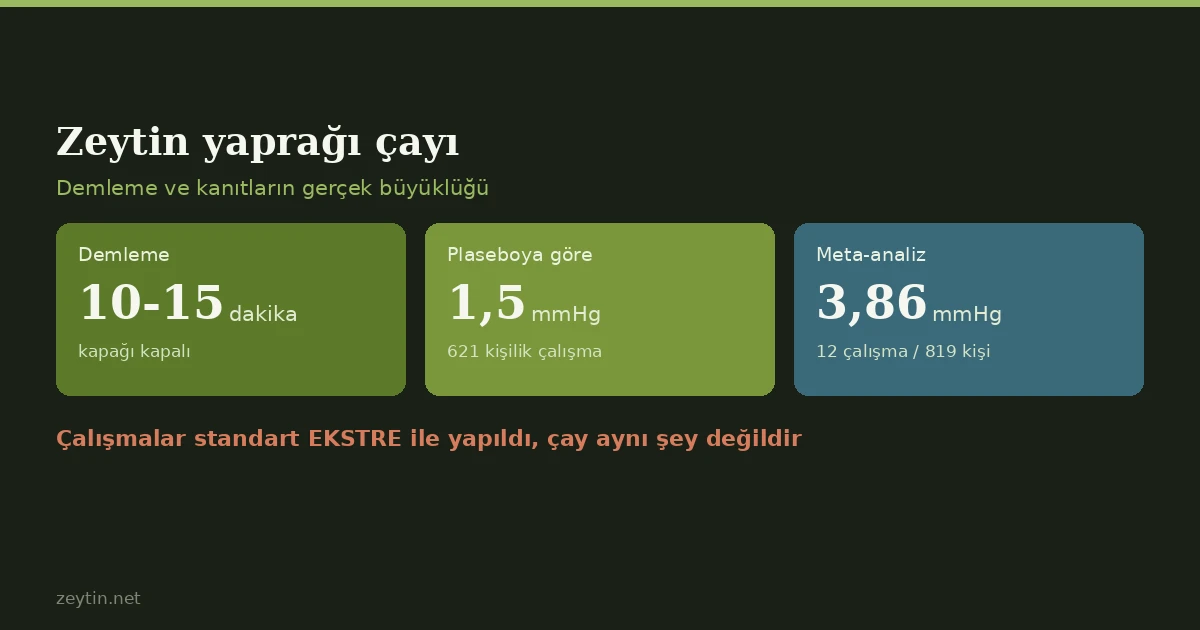
Olive leaf tea: how to make it and what the evidence says
The leaf carries oleuropein and other phenolics. Blood pressure trials show a modest effect, but all used standardised extracts — tea is not the same thing. Steeping, drying and cautions.
Article
Olive leaf tea: how to make it and what the evidence says
The leaf carries oleuropein and other phenolics. Blood pressure trials show a modest effect, but all used standardised extracts — tea is not the same thing. Steeping, drying and cautions.
 Article
Olive oil and brain health: what a 92,000-person study and the randomised evidence say
The headlines about olive oil and the brain are bold; the evidence is more measured. In a 92,383-person cohort followed for 28 years, more than 7 g a day was associated with a 28% lower risk of dementia-related death. The randomised PREDIMED trial points the same way.
Article
Olive oil and brain health: what a 92,000-person study and the randomised evidence say
The headlines about olive oil and the brain are bold; the evidence is more measured. In a 92,383-person cohort followed for 28 years, more than 7 g a day was associated with a 28% lower risk of dementia-related death. The randomised PREDIMED trial points the same way.