Celeriac in Olive Oil
The favourite winter dish in olive oil: celeriac, carrot and peas cooked in lemony water, served cool with dill.
- Time
- 45 minutes
- Serves
- 4
- Level
- Easy
- Cuisine
- Turkish
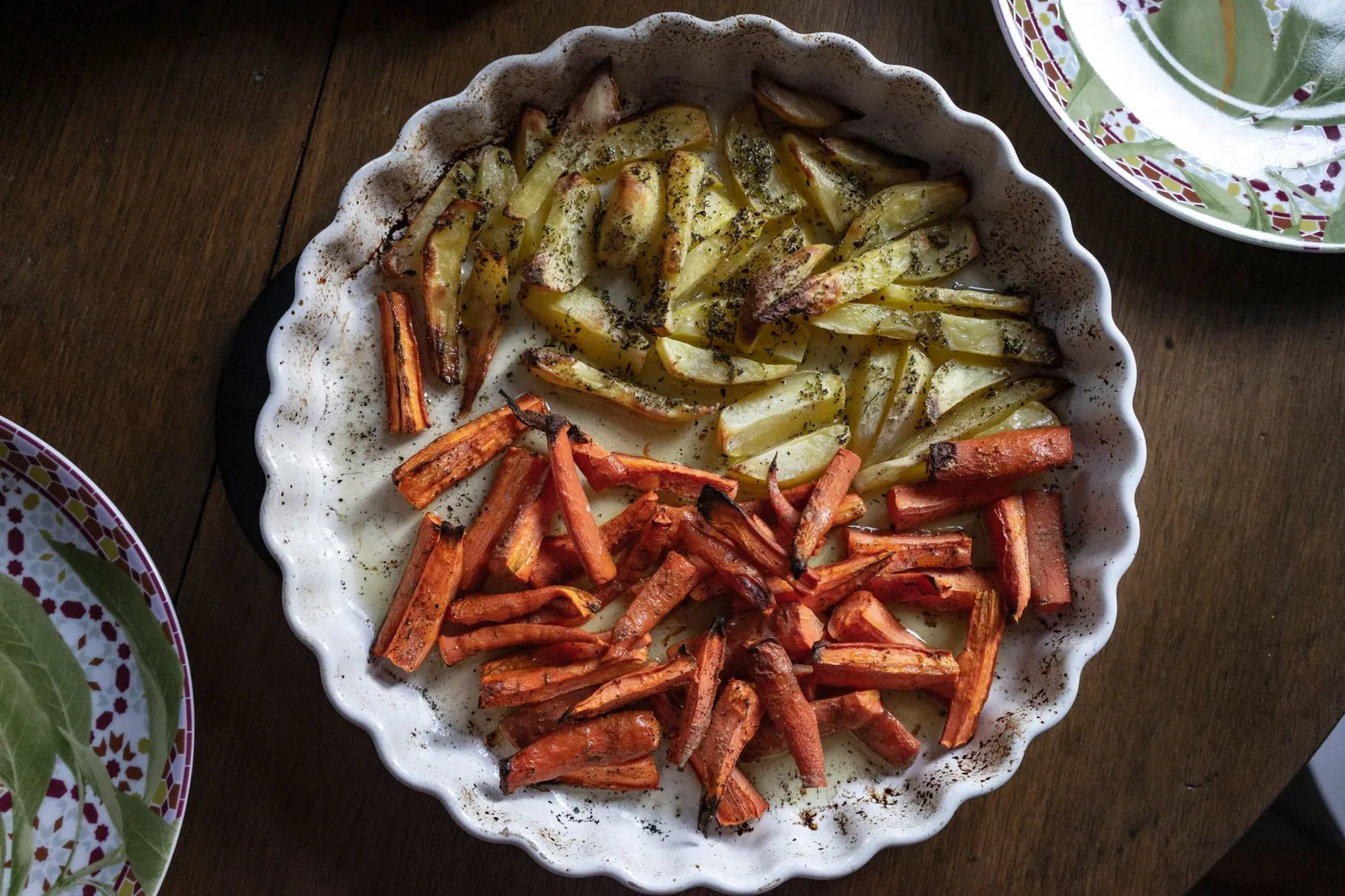
Celeriac is the winter leg of the zeytinyağlı calendar. If broad beans and artichokes belong to spring, and green beans and okra to summer, celeriac is the constant of December through March — the root vegetable that gets on best with olive oil.
The character of the dish comes less from celeriac's own flavour than from its relationship with lemon. The lemon does three jobs at once here: it prevents browning, it opens up the earthiness of the root, and once the dish is cold it cuts the weight of the oil. That is why it appears in the water, in the pot, and again on the plate.
Directions
- Peel the celeriac and cut into large cubes; keep them in lemon water so they do not darken.
- Heat the olive oil in a pan and soften the onion.
- Add the carrot and potato and stir for 4-5 minutes.
- Add the celeriac and peas, then the sugar, salt and lemon juice.
- Pour in the hot water, cover, and cook over low heat for 25 minutes, until a fork goes into the celeriac easily.
- Take off the heat and let it cool in the pan.
- Scatter over the dill and serve at room temperature with lemon wedges.
Tips & storage
Into lemon water the moment it's cut. Celeriac begins to darken as soon as it meets air — the same cause as with artichokes, polyphenol oxidation. Have the bowl ready before you start cutting.
Cut it large. Small cubes disintegrate over twenty-five minutes of cooking. You want it easily pierced with a fork, not reduced to purée.
Peel it thickly. The fibrous layer just beneath the skin never softens. Peeling too thinly is the most common mistake in this recipe.
Cool it in the pot. Moving it while hot breaks up the cubes. Leave the lid ajar and let it cool where it cooked.
Don't throw away the leaves. The leaves from the celeriac stalk can stand in for dill, or join it; their scent is sharper, so use less.
Storage. Four days in the fridge — one of the most robust members of this family. It is at its best on the second and third day.
One rating per visitor; you can change yours at any time. Ratings are real reader votes — no seeded or default scores.
Related
 Recipe
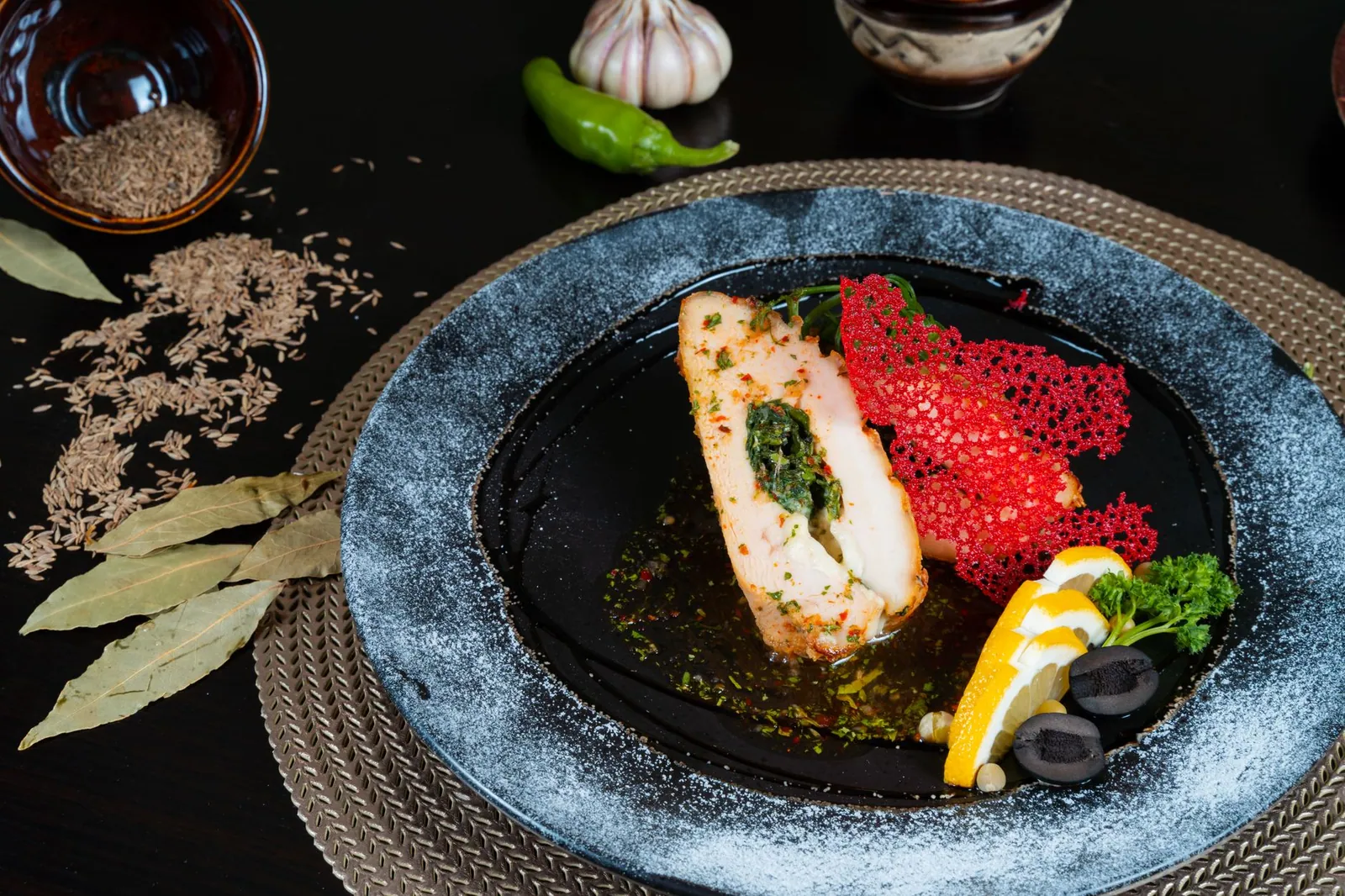
Chicken with Lemon and Green Olives
A Tuscan classic: chicken browned in olive oil, then brought together slowly with green olives and lemon.
Recipe
Chicken with Lemon and Green Olives
A Tuscan classic: chicken browned in olive oil, then brought together slowly with green olives and lemon.
 Recipe
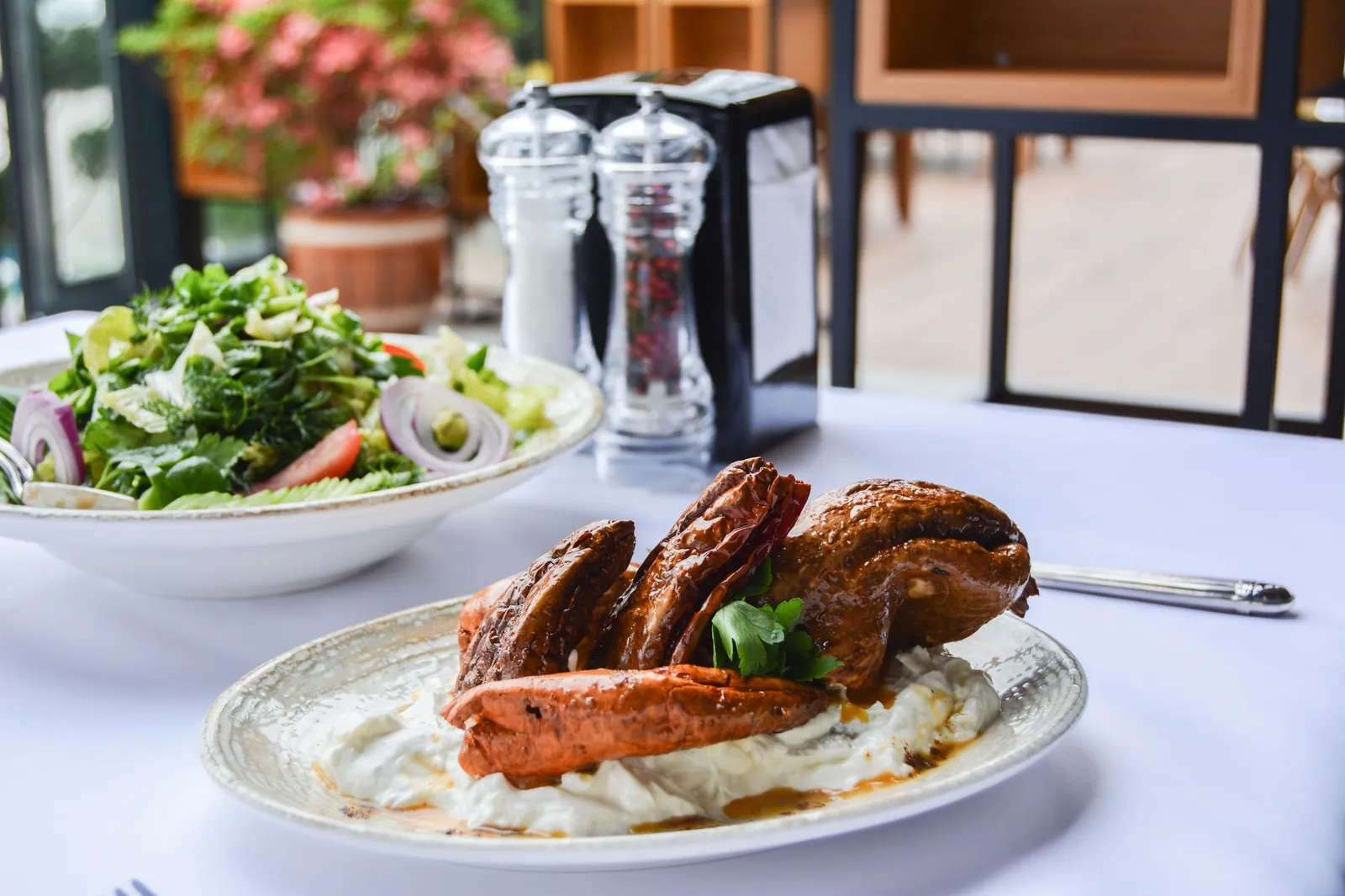
Purslane in Olive Oil
Summer's lightest olive-oil dish: purslane cooked with rice, eaten with garlic yoghurt.
Recipe
Purslane in Olive Oil
Summer's lightest olive-oil dish: purslane cooked with rice, eaten with garlic yoghurt.
 Recipe
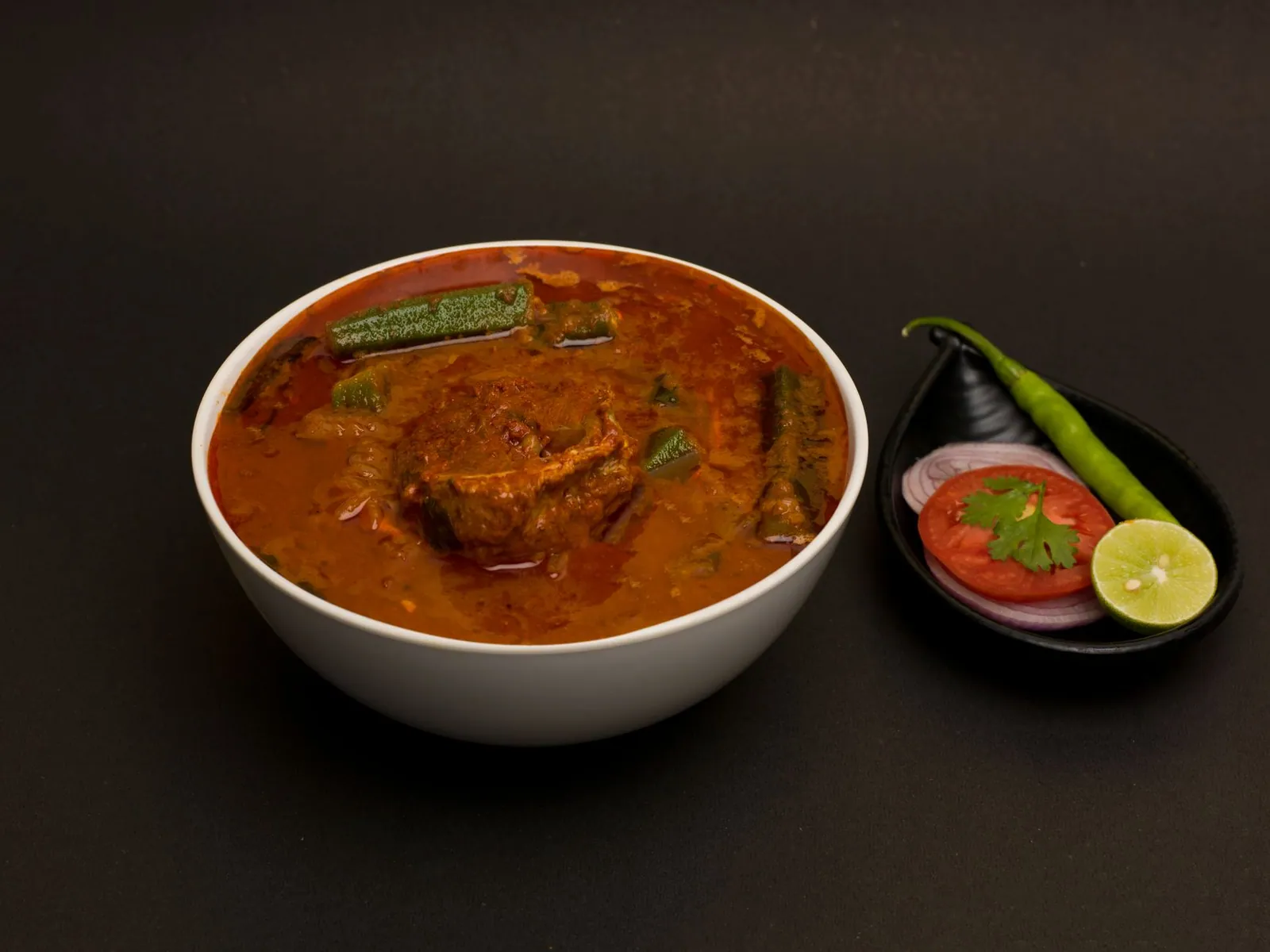
Okra in Olive Oil
Okra rested in vinegar to cut the sliminess, then cooked slowly with tomato and onion.
Recipe
Okra in Olive Oil
Okra rested in vinegar to cut the sliminess, then cooked slowly with tomato and onion.
 Recipe
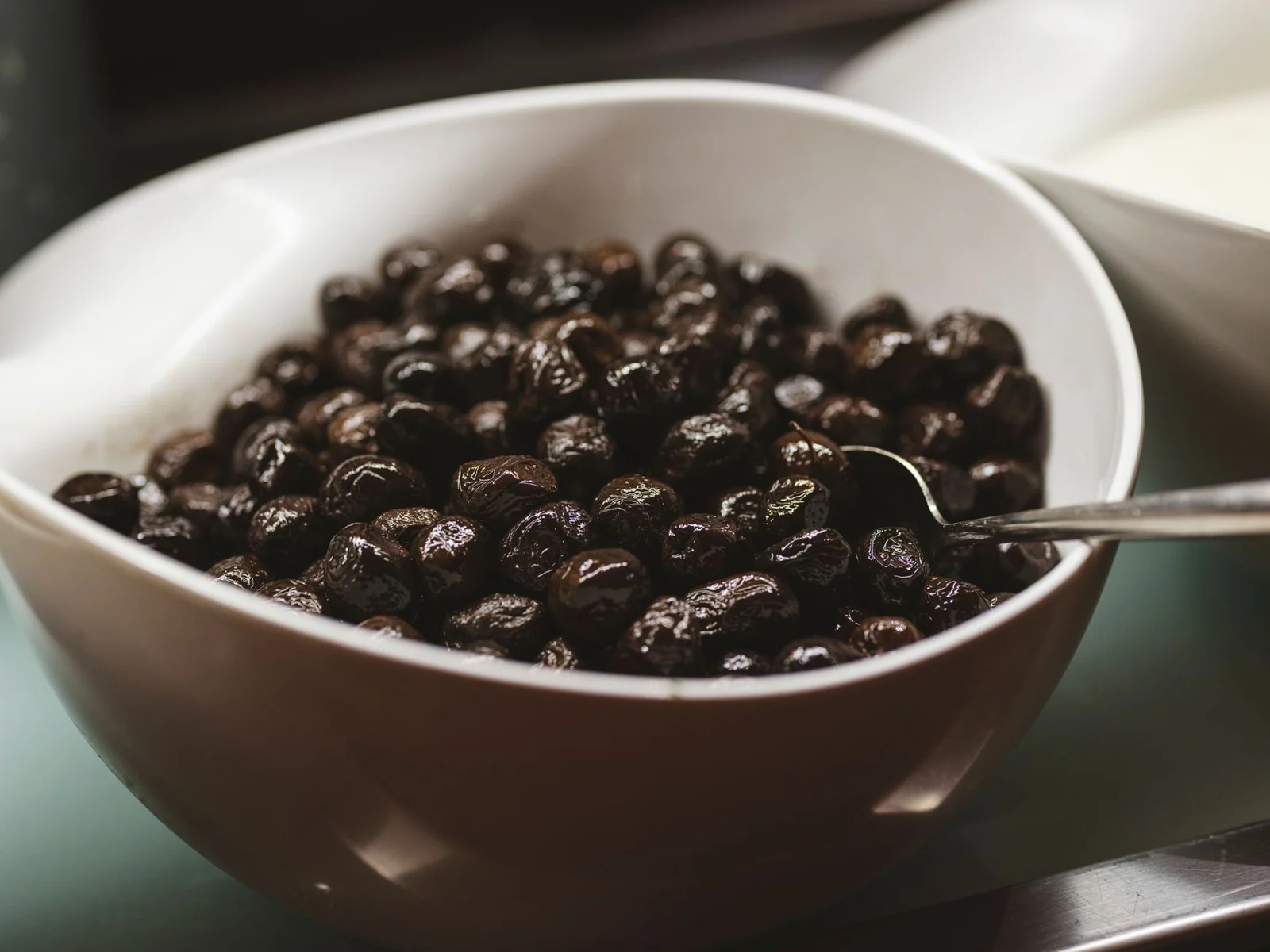
Sele Olives: Black Olives Cured in Dry Salt
The traditional method that uses dry salt rather than water: the wrinkled, intensely flavoured black olive of the Turkish breakfast table, in three to four weeks.
Recipe
Sele Olives: Black Olives Cured in Dry Salt
The traditional method that uses dry salt rather than water: the wrinkled, intensely flavoured black olive of the Turkish breakfast table, in three to four weeks.