Olive Bread
An Aegean bakery classic: a loaf kneaded with black olives and olive oil, crisp outside and soft within.
- Time
- 150 minutes
- Serves
- 1 loaf
- Level
- Medium
- Cuisine
- Turkish
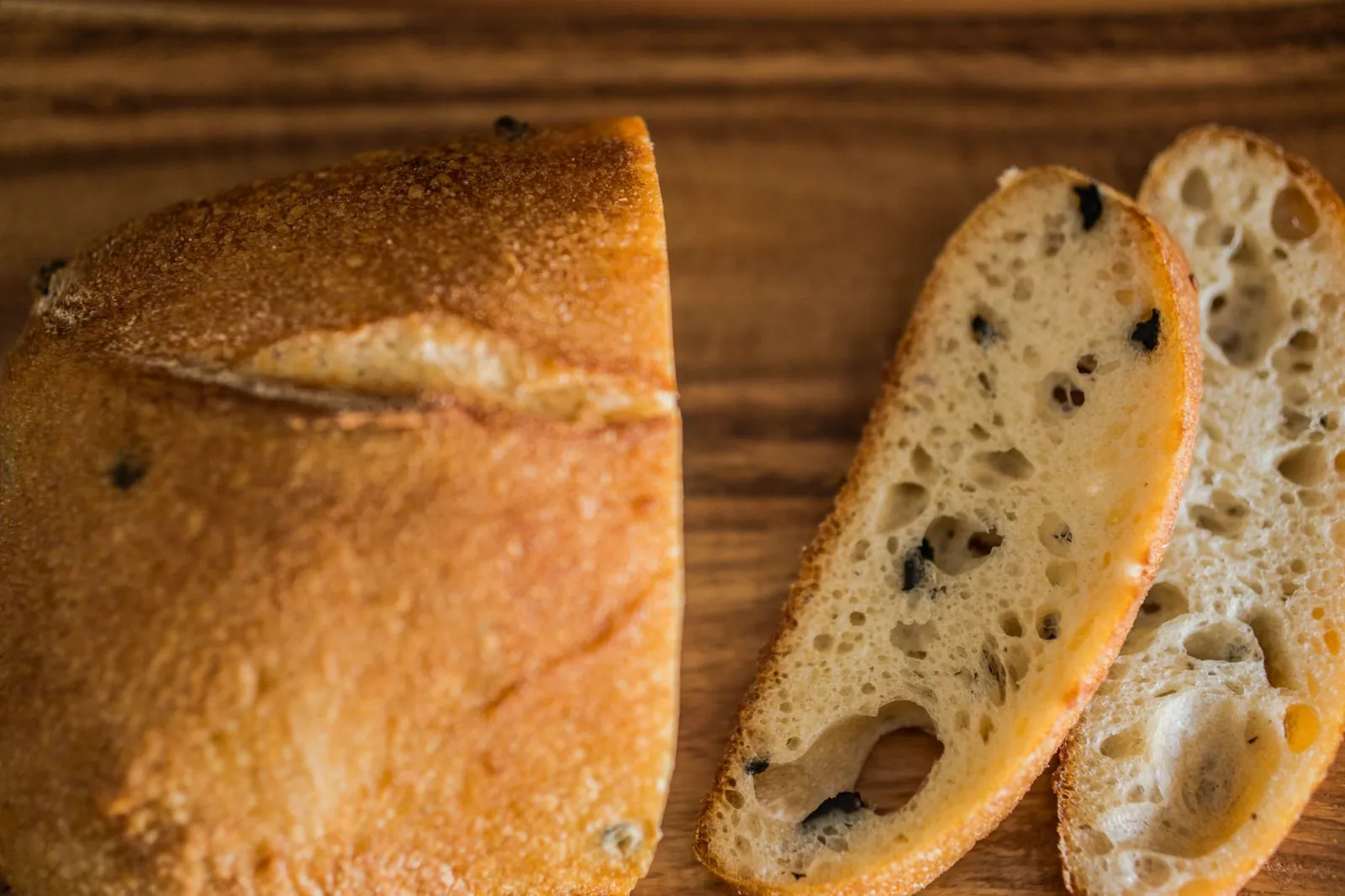
Olive bread belongs to a family that has a counterpart on every Mediterranean shore: pane alle olive in Italy, eliopsomo in Greece, and on the Aegean and Marmara coasts of Türkiye a fixture of local bakeries. The logic is the same everywhere — the olives folded into the loaf are a source of both salt and fat, which is why olive bread usually asks for nothing alongside it.
The critical step is that the olives are folded in, not kneaded in. Added during kneading they break up, release their liquid and turn the dough grey. Folded into the risen dough, they stay whole and show as distinct pieces in the slice.
Directions
- Dissolve the yeast and sugar in the warm water and leave for 10 minutes until frothy.
- Mix the flour and salt, add the yeast mixture and 3 tablespoons of the olive oil, and knead for 10 minutes.
- Transfer to an oiled bowl, cover, and leave to rise for 1 hour, until doubled.
- Spread the dough out without knocking out the air; scatter over the olives and oregano and fold them in.
- Shape into a loaf, set on an oiled tray and leave to rise for a further 40 minutes.
- Heat the oven to 220°C. Brush the loaf with olive oil, scatter with sesame seeds and slash twice.
- Bake for 30-35 minutes, until it sounds hollow when tapped underneath. Cool on a rack.
Tips & storage
Test the yeast first. Yeast that has not foamed in warm water and sugar within ten minutes is dead; skip this step and you meet the unrisen dough two hours later.
Warm water, not hot. Above 40°C the yeast cells die. If it is comfortable against the inside of your wrist, it is right.
Dry the olives. Wet olives upset the hydration of the dough and give you a gummy crumb.
Slashing is not optional. The cuts decide where the loaf expands in the oven; without them it tears open at random along the side.
The hollow-sound test. Knock the base of the loaf with a knuckle — a hollow, drum-like sound means it is done. Judging by colour alone misleads.
Cool on a rack, not in the tin. A loaf cooled in its tin steams itself underneath and loses its crust.
Storage. Two days in a cloth bag. The fridge stales bread; if you will not finish it, slice and freeze.
One rating per visitor; you can change yours at any time. Ratings are real reader votes — no seeded or default scores.
Related
 Recipe
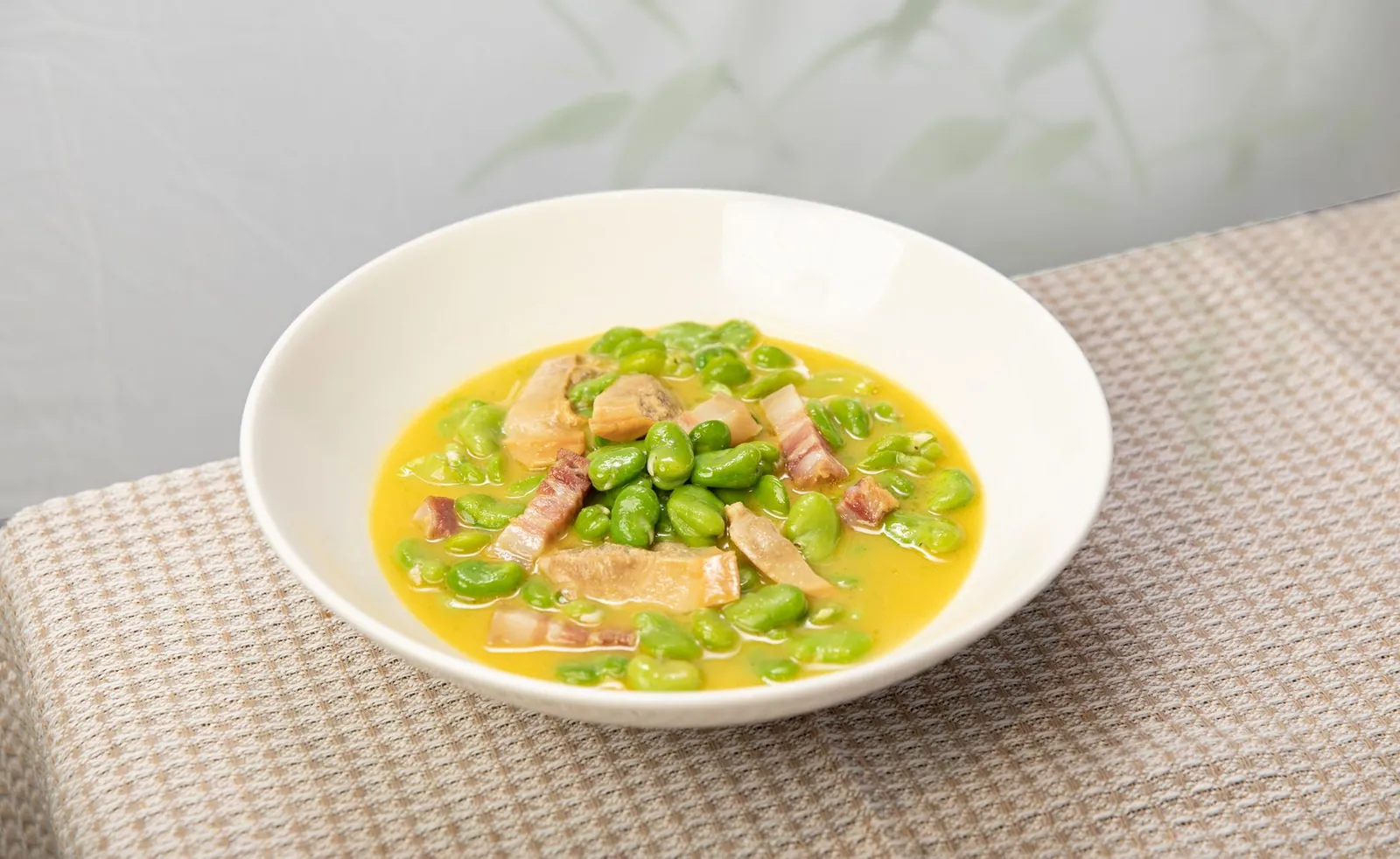
Borlotti Beans in Olive Oil (Pilaki)
Borlotti beans cooked with carrot, potato and tomato; the texture settles as it cools, served with lemon.
Recipe
Borlotti Beans in Olive Oil (Pilaki)
Borlotti beans cooked with carrot, potato and tomato; the texture settles as it cools, served with lemon.
 Recipe
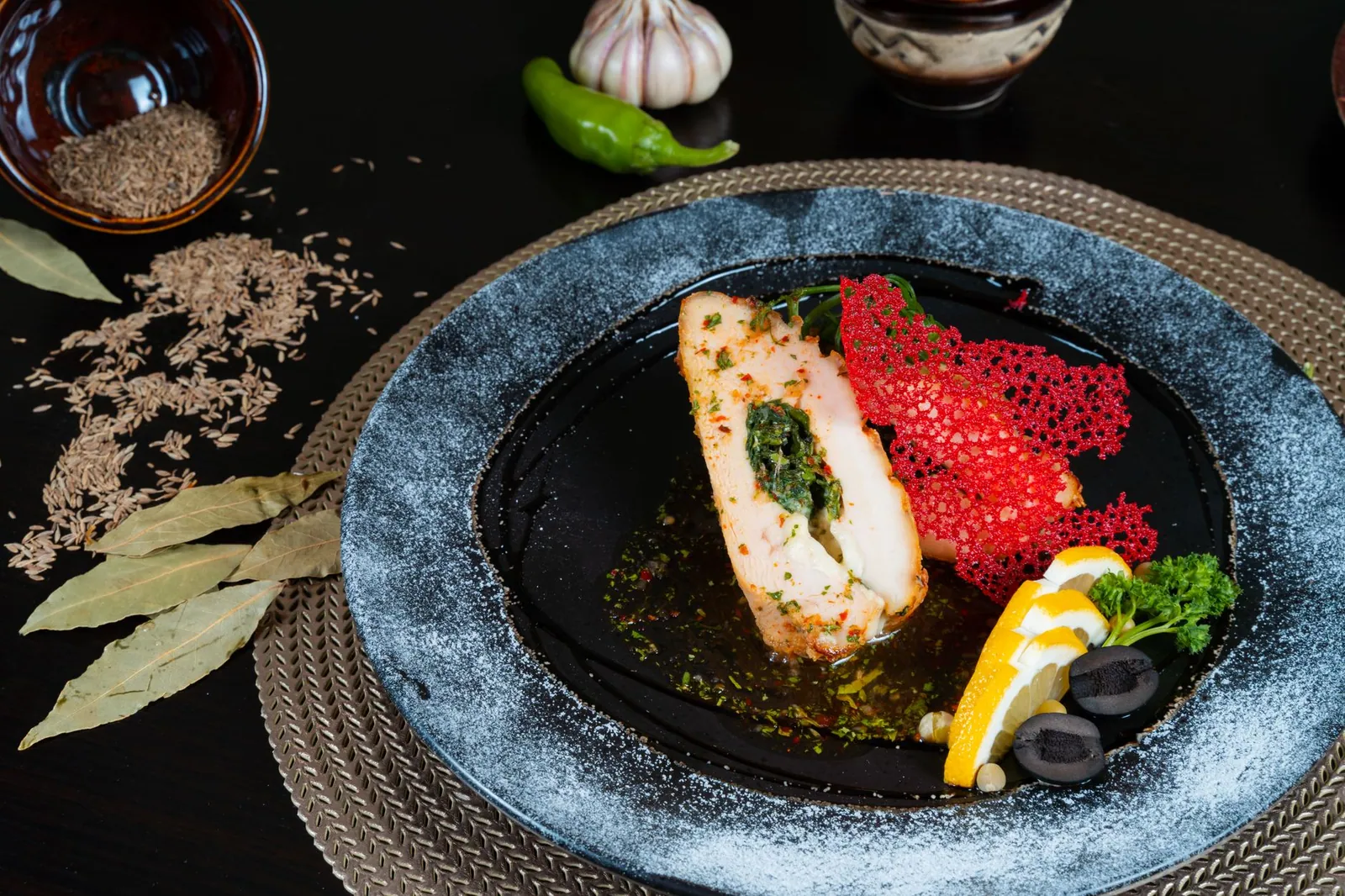
Chicken with Lemon and Green Olives
A Tuscan classic: chicken browned in olive oil, then brought together slowly with green olives and lemon.
Recipe
Chicken with Lemon and Green Olives
A Tuscan classic: chicken browned in olive oil, then brought together slowly with green olives and lemon.
 Recipe
Wild Fennel in Olive Oil
The aniseed-scented green of the Aegean coast: cooked slowly with rice, its aroma opening further as it cools.
Recipe
Wild Fennel in Olive Oil
The aniseed-scented green of the Aegean coast: cooked slowly with rice, its aroma opening further as it cools.
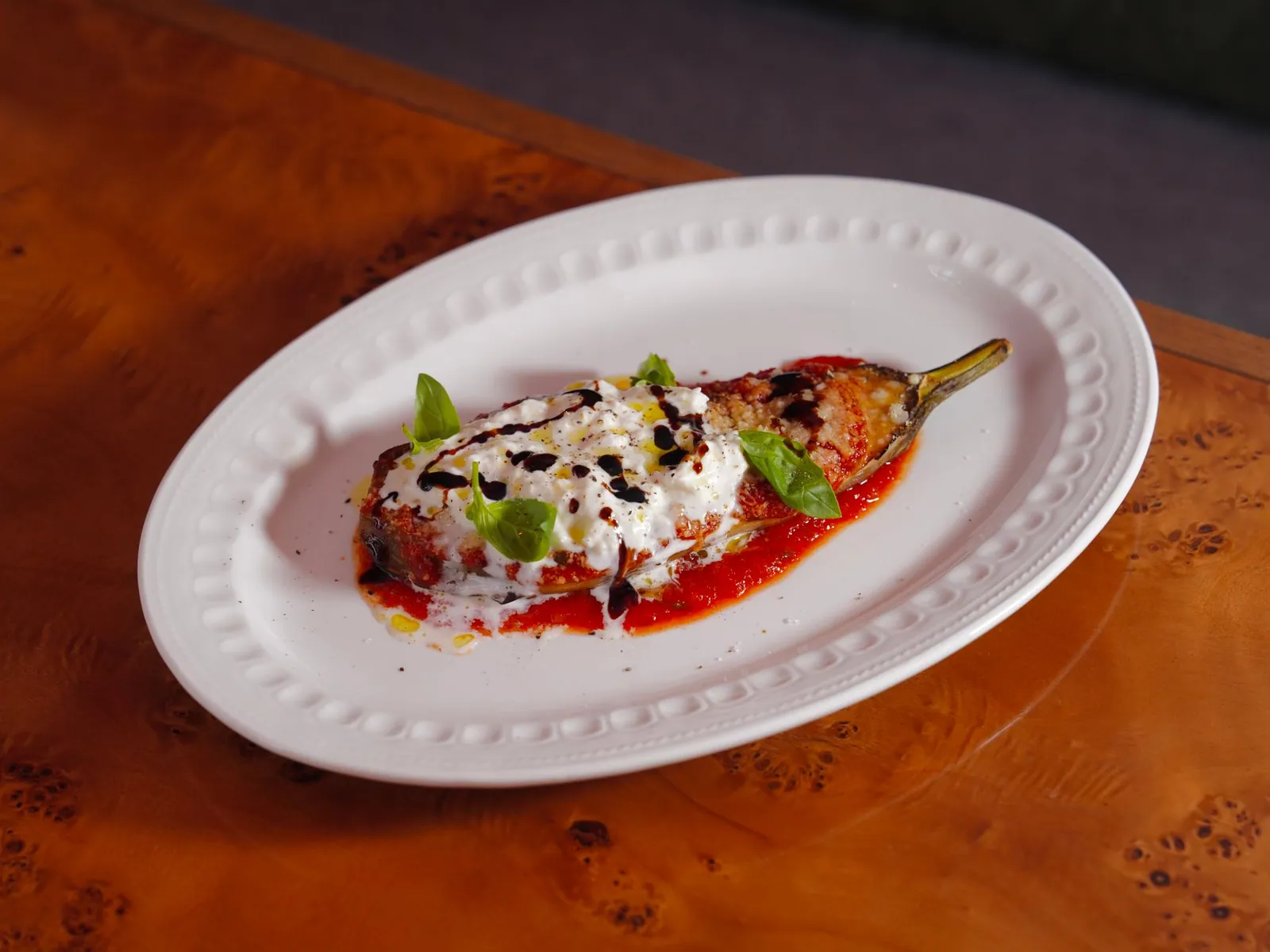 Recipe
İmam Bayıldı (Stuffed Aubergines in Olive Oil)
The best-known of all olive-oil dishes: aubergines stuffed with onion and tomato, baked slowly.
Recipe
İmam Bayıldı (Stuffed Aubergines in Olive Oil)
The best-known of all olive-oil dishes: aubergines stuffed with onion and tomato, baked slowly.