Benefits of Olive
The nutritional profile of olives, polyphenols and salt content. No unauthorised health claims — only verifiable information, with sources.
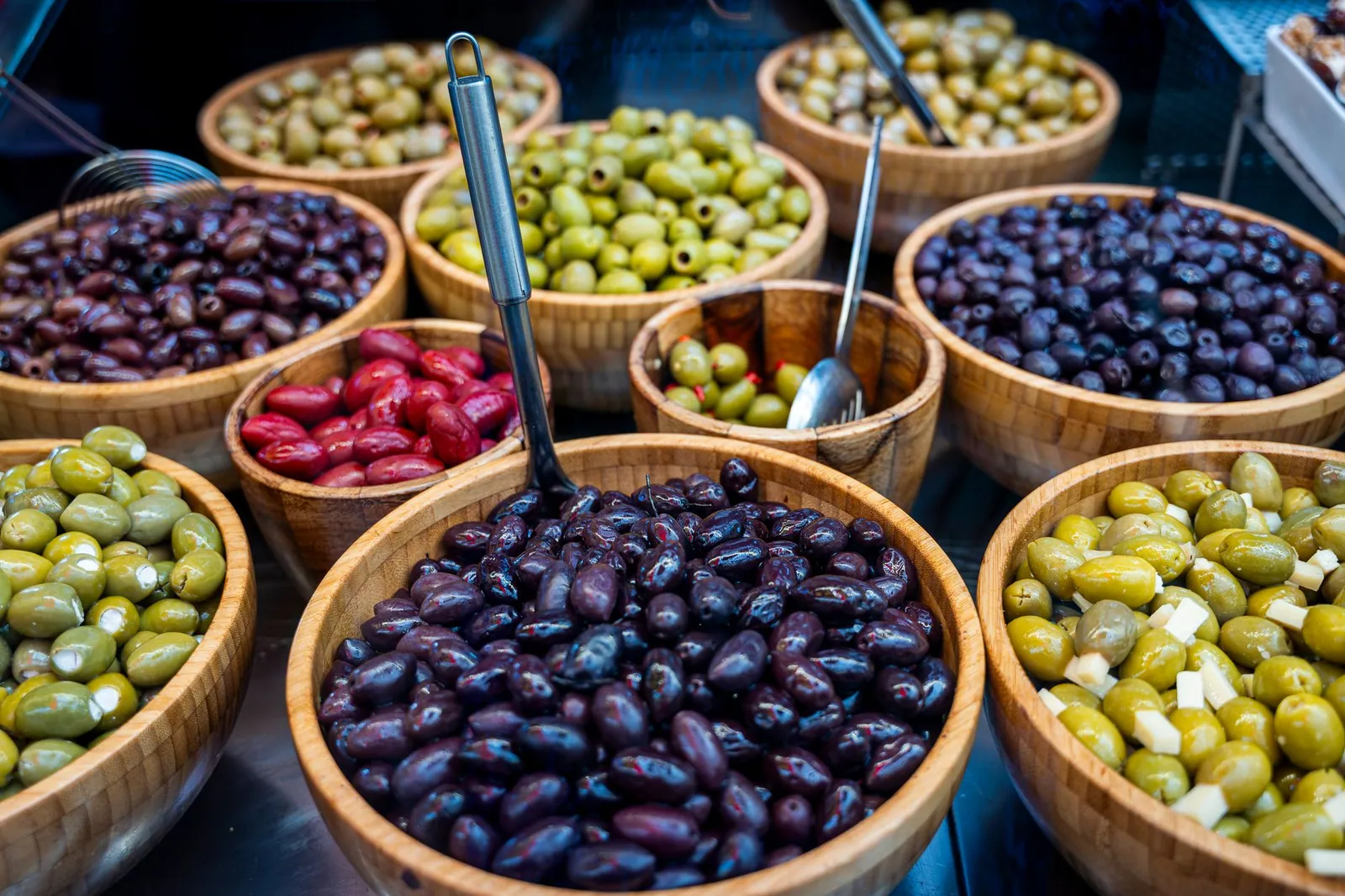
Modern science is steadily confirming the healing properties attributed to the olive in ancient times. Decades of research have demonstrated the extraordinary effects of the olive on human health.
Nutritional Value (per 100 g black olives)
| Nutrient | Amount | % Daily Value |
|---|---|---|
| Fat | 11–15 g | 17–23% |
| Vitamin E | 3.8 mg | 25% |
| Iron | 3.3 mg | 18% |
| Calcium | 88 mg | 9% |
| Fibre | 3.2 g | 11% |
Cardiovascular Health
Oleic acid in olives and olive oil lowers LDL (bad) cholesterol while raising HDL (good) cholesterol. Comprehensive studies on the Mediterranean diet have shown that regular olive consumption reduces the risk of heart disease by 30–40%.
- Prevents arterial hardening (atherosclerosis)
- Helps regulate blood pressure
- Reduces platelet aggregation, lowering clot risk
- Shows a protective effect against cardiac arrhythmias
💚 Scientific Evidence
The PREDIMED study, published in the New England Journal of Medicine in 2013, proved that a Mediterranean diet rich in olive oil reduces the risk of heart attack and stroke by 30%. It is one of the most important studies in the history of nutritional science.
Antioxidant and Anti-inflammatory Properties
Olives are exceptionally rich in powerful antioxidants. The compound oleocanthal displays anti-inflammatory effects similar to ibuprofen, providing natural protection against diseases linked to chronic inflammation.
Cancer Protection
Epidemiological research shows certain cancers are less prevalent in Mediterranean countries. The polyphenols and oleic acid in olives show cell-protective effects particularly against breast, colon and prostate cancer.
Brain and Nervous System
Oleocanthal in olive oil has shown the capacity to clear Alzheimer-associated beta-amyloid plaques from brain tissue. Additionally, omega-9 fatty acids support the myelination of nerve cells, helping to preserve brain function.
Bone Health
Olive oil polyphenols have been shown to increase bone density and slow the onset of osteoporosis — results particularly notable for post-menopausal women.
Skin and Hair
Rich in vitamin E, olive oil protects skin cells from free radical damage. Today science confirms that olive oil delivers superior moisturising results compared to commercial creams.
One rating per visitor; you can change yours at any time. Ratings are real reader votes — no seeded or default scores.
Related
 Article
What are the benefits of olive oil?
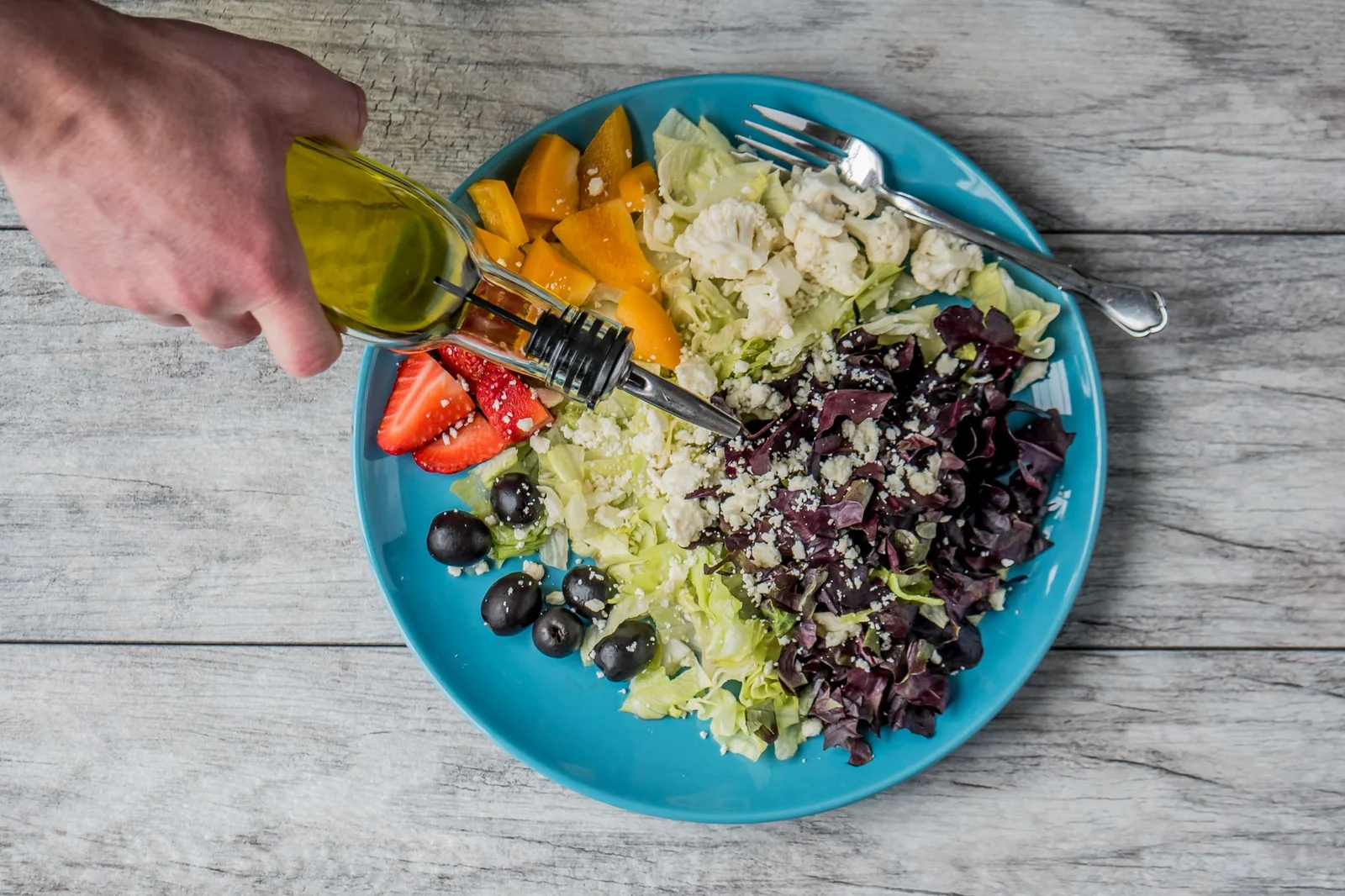
Authorised claims, topics still under research and unproven claims kept apart — including the EFSA claim and PREDIMED.
Article
What are the benefits of olive oil?
Authorised claims, topics still under research and unproven claims kept apart — including the EFSA claim and PREDIMED.
 Article
How many calories are in olives? Nutrition and portion table
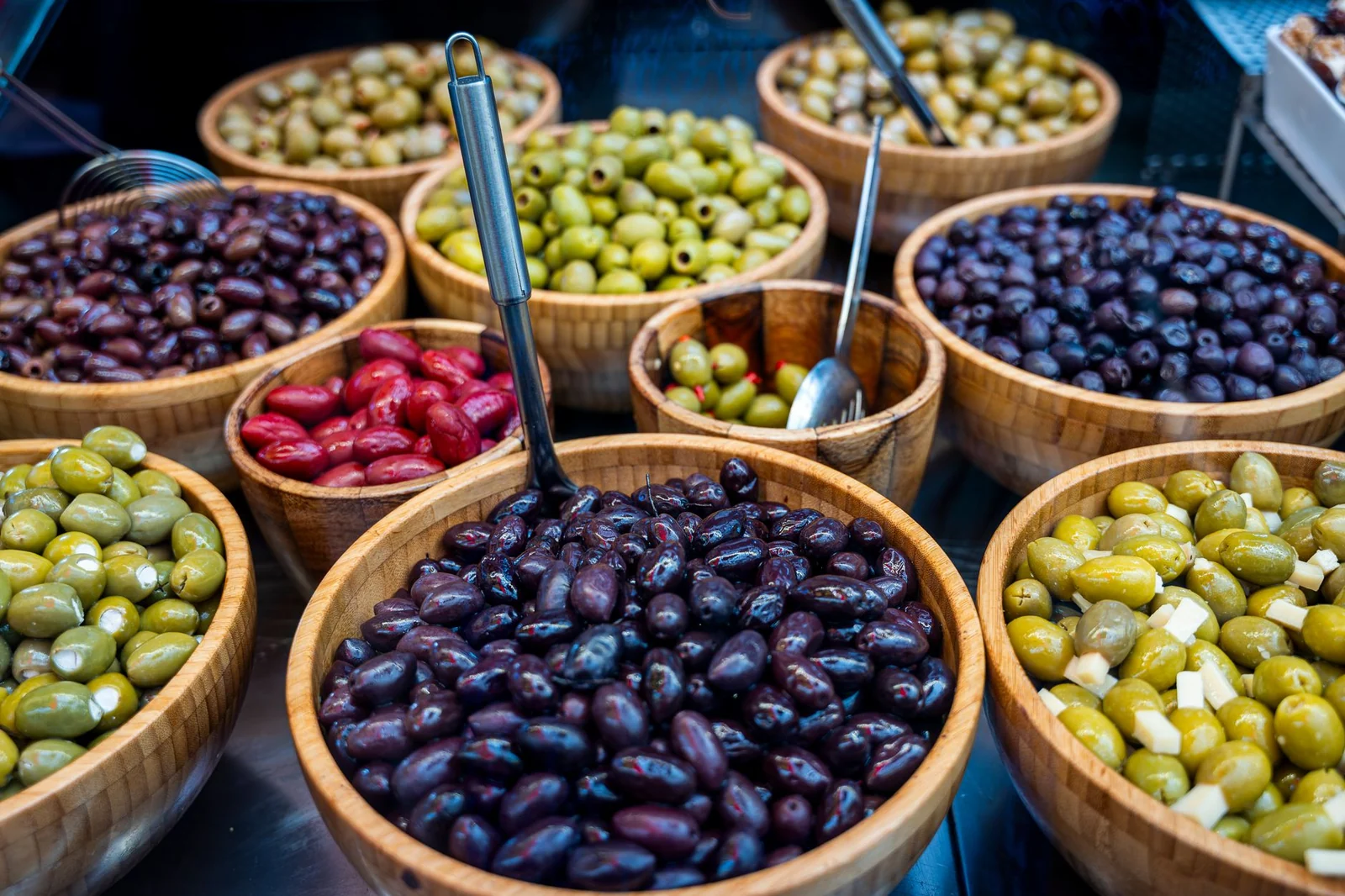
What is actually in an olive? Fat, fibre, iron, vitamin E — and the salt you should not ignore.
Article
How many calories are in olives? Nutrition and portion table
What is actually in an olive? Fat, fibre, iron, vitamin E — and the salt you should not ignore.
 Article
Olive leaf tea: how to make it and what the evidence says
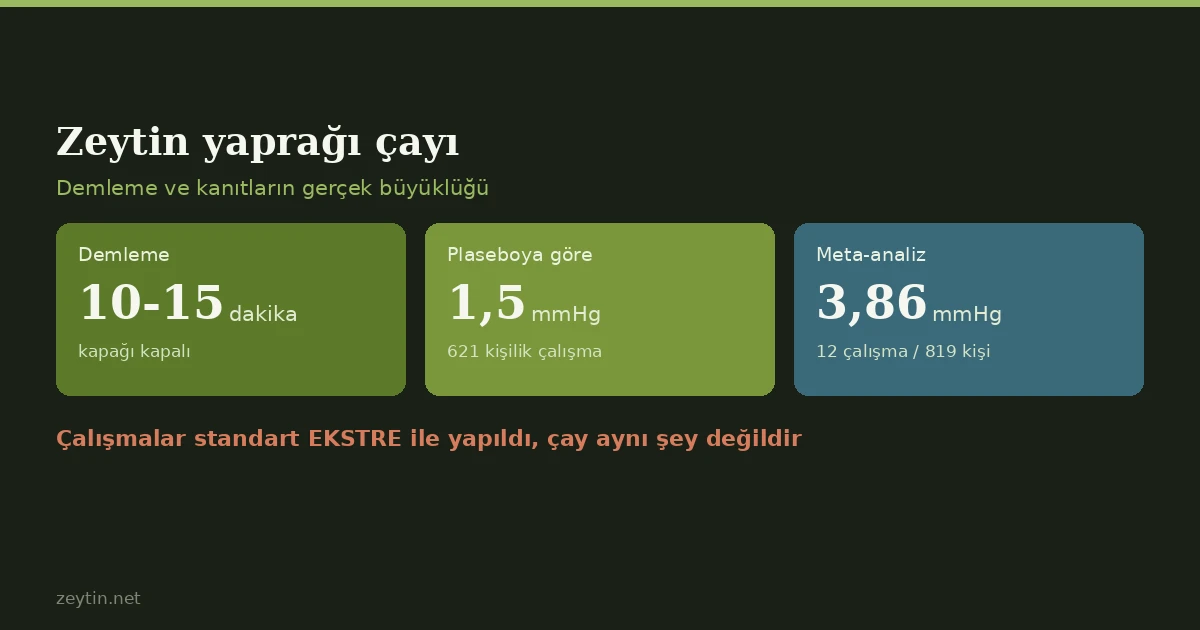
The leaf carries oleuropein and other phenolics. Blood pressure trials show a modest effect, but all used standardised extracts — tea is not the same thing. Steeping, drying and cautions.
Article
Olive leaf tea: how to make it and what the evidence says
The leaf carries oleuropein and other phenolics. Blood pressure trials show a modest effect, but all used standardised extracts — tea is not the same thing. Steeping, drying and cautions.
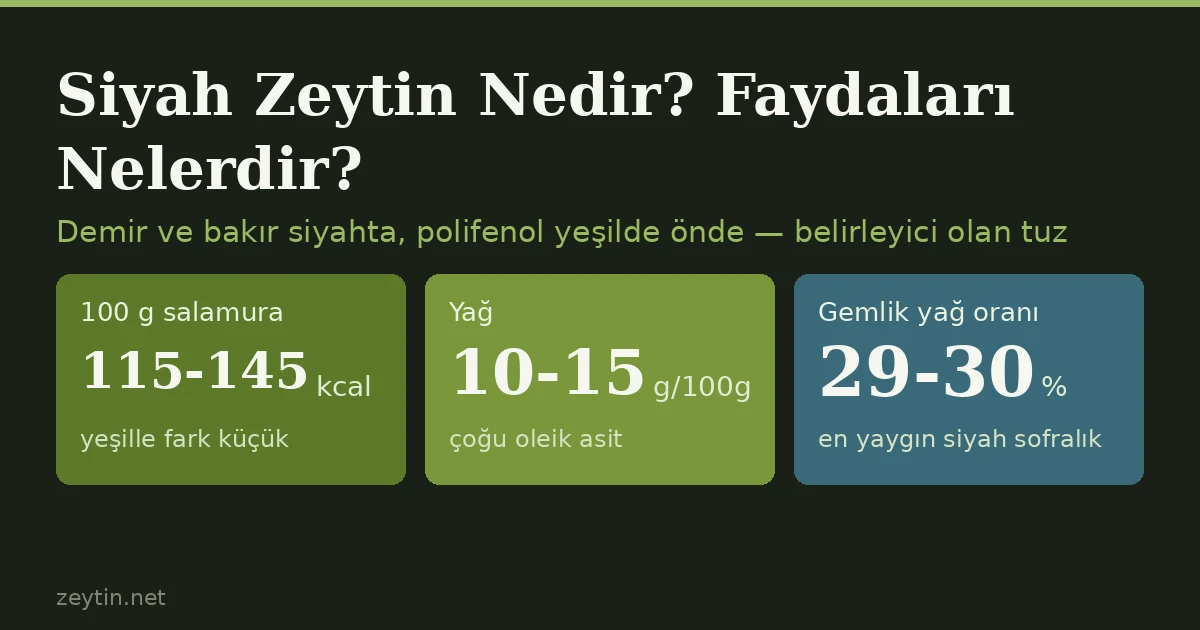 Article
What Are Black Olives? What Are Their Benefits?
What black olives are, how they differ from green, and how many calories. Iron and copper, the polyphenol difference, and the two different black olives on the shelf.
Article
What Are Black Olives? What Are Their Benefits?
What black olives are, how they differ from green, and how many calories. Iron and copper, the polyphenol difference, and the two different black olives on the shelf.