Samphire in Olive Oil
The salty shore plant of the Aegean and Mediterranean: blanched and dressed with garlic, olive oil and lemon.
- Time
- 20 minutes
- Serves
- 4
- Level
- Easy
- Cuisine
- Turkish
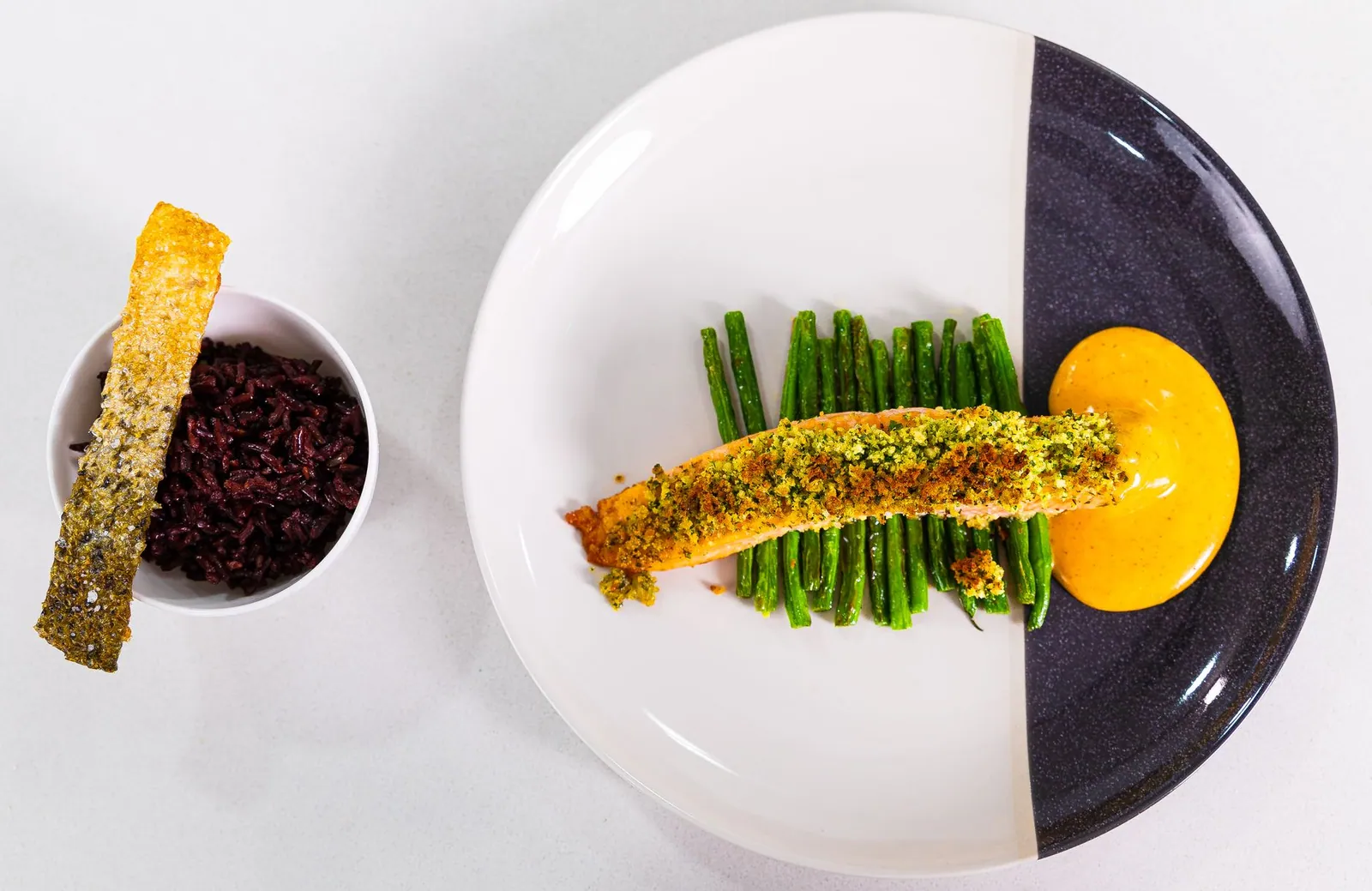
Samphire (Salicornia) grows not in fields but in salt marsh and coastal mud. In Türkiye it is gathered along the Aegean and Mediterranean shores, particularly around deltas and lagoons, and its season runs from spring into early summer. It takes its salt not from the soil but from the sea — which is why the salt in this recipe comes last, and by tasting.
It is one of the plainest members of the olive-oil meze family: four ingredients, six minutes of blanching, one dressing. That plainness is exactly why the choice of oil cannot hide here; the difference between extra virgin and the grades below it is felt directly on this plate.
Directions
- Trim the tough lower stems and wash the samphire several times in plenty of water.
- Blanch in boiling water for 5-6 minutes — it should stay firm, not collapse.
- Drain and plunge straight into iced water; this keeps the colour and stops the cooking.
- Drain well and transfer to a serving plate.
- Whisk the olive oil, crushed garlic and lemon juice into a dressing.
- Pour over and toss. Taste before adding salt — the plant is naturally salty.
- Serve warm or at room temperature as a meze.
Tips & storage
Salt last, by tasting. The plant carries its own salt, and how much varies with where it grew. Do not salt the blanching water.
The iced water is not a flourish. Plunging the samphire into iced water stops the cooking instantly and holds that bright green; skip it and the plant carries on cooking in its own heat, ending up yellowish and slack.
Trim the tough stems. The woody lower stems never soften. The part that snaps easily between your fingers is the part you eat; whatever resists gets discarded.
Crush the garlic, don't chop it. Crushed garlic passes into the oil; chopped garlic sits on top of the samphire and turns sharp.
If you forage, do it sustainably. Cut the tips rather than pulling up the root — the plant will regrow in the same season.
Storage. Two days in the fridge with its dressing; longer than that and it weeps and goes limp.
One rating per visitor; you can change yours at any time. Ratings are real reader votes — no seeded or default scores.
Related
 Recipe
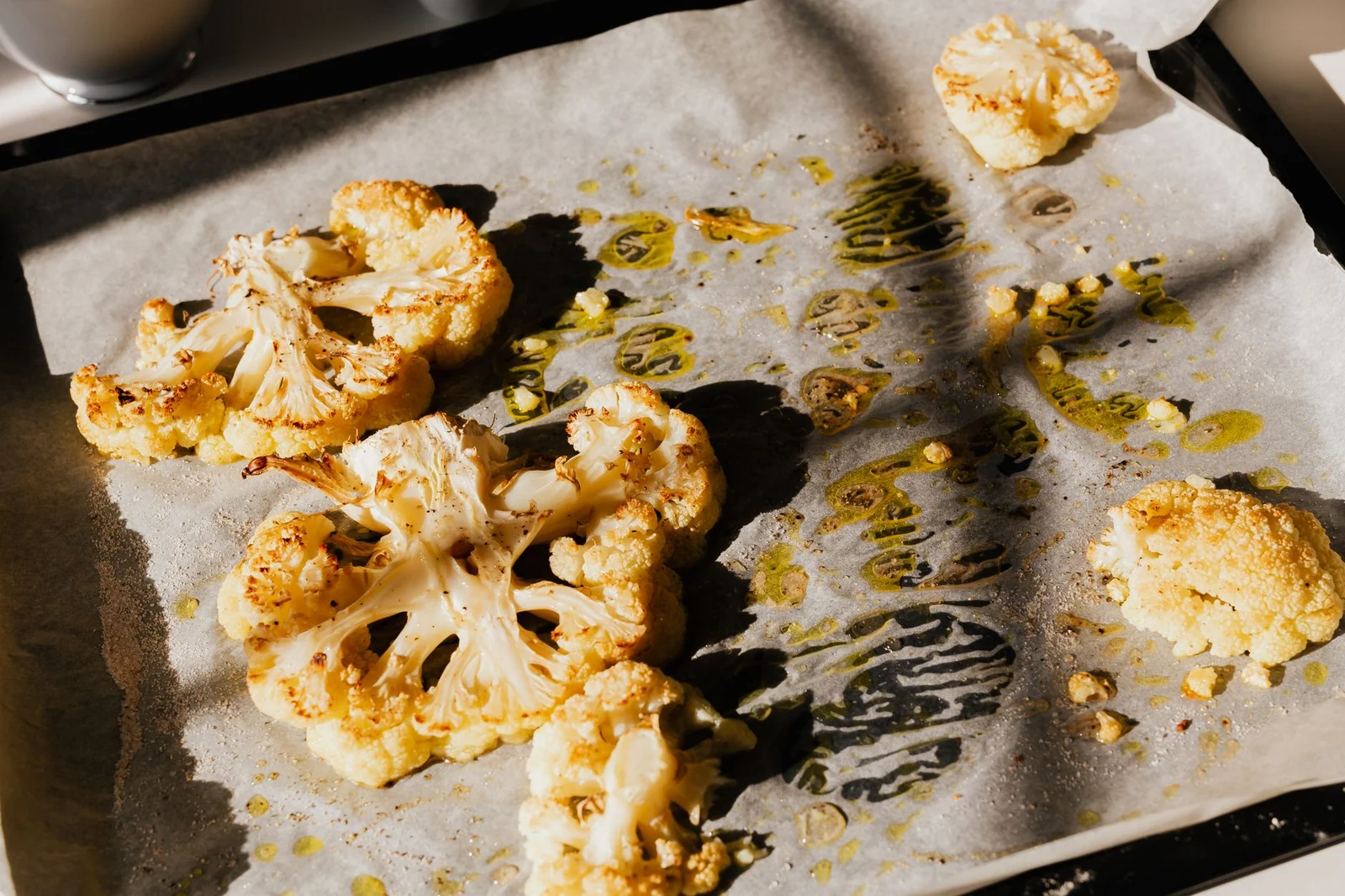
Cauliflower in Olive Oil
Winter's cheapest vegetable meets olive oil: lemon keeps it white, and short cooking keeps the sulphur at bay.
Recipe
Cauliflower in Olive Oil
Winter's cheapest vegetable meets olive oil: lemon keeps it white, and short cooking keeps the sulphur at bay.
 Recipe
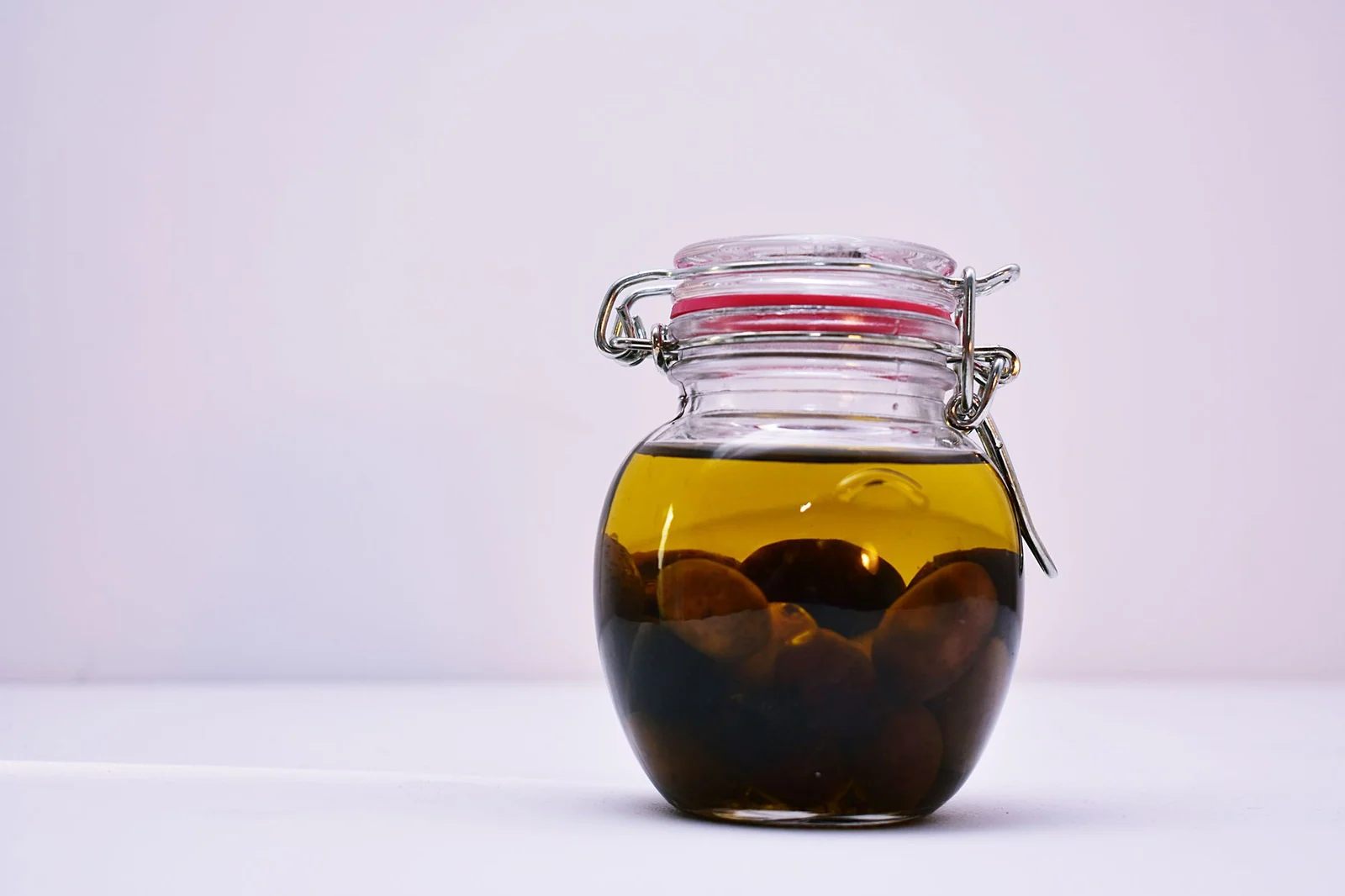
Black Olives in Brine, Naturally Fermented
The oldest and most patient method: ripe black olives go into salted water uncut and give up their bitterness on their own over several months.
Recipe
Black Olives in Brine, Naturally Fermented
The oldest and most patient method: ripe black olives go into salted water uncut and give up their bitterness on their own over several months.
 Recipe
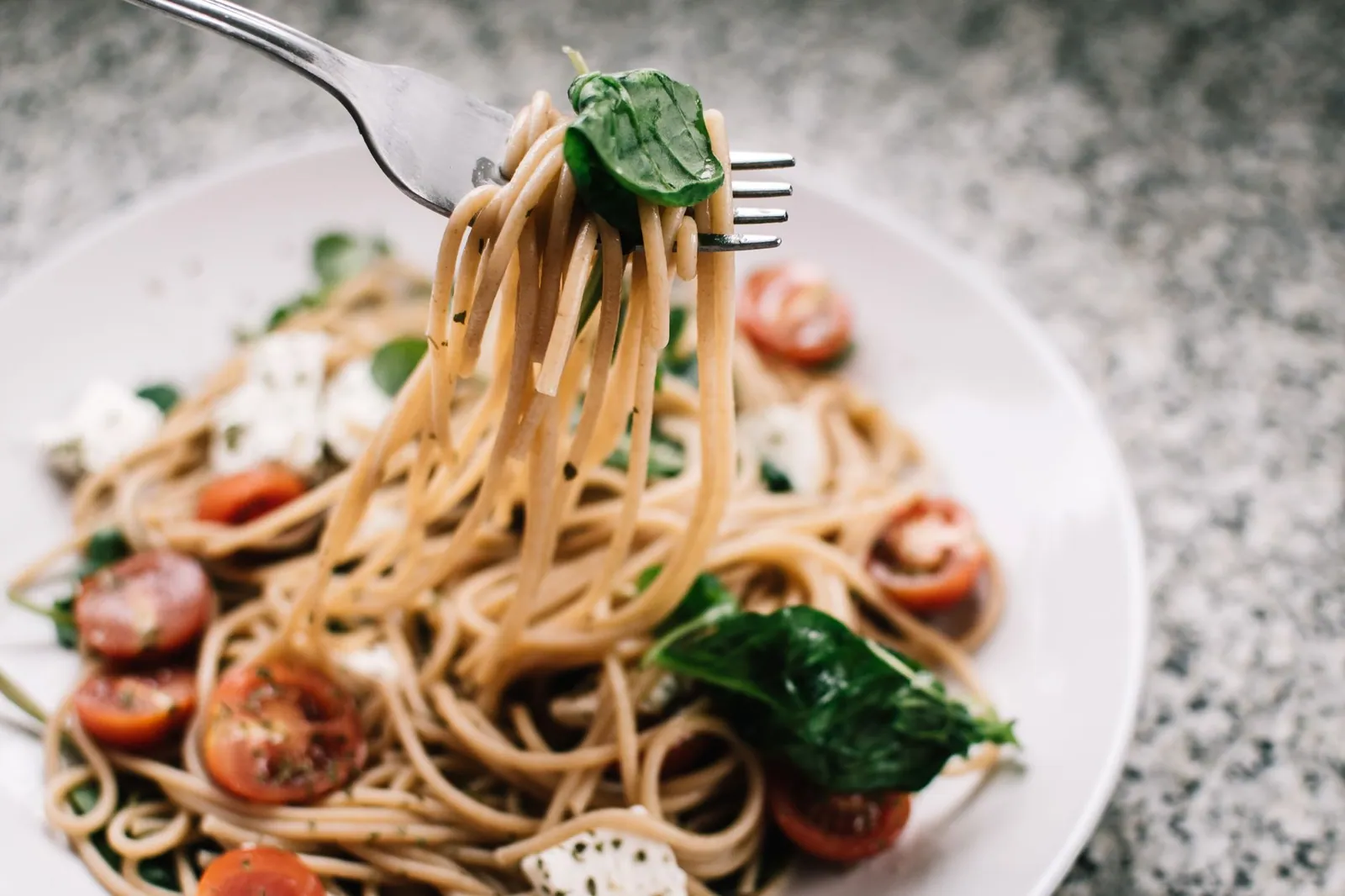
Spaghetti alla Puttanesca
Naples' bold pasta: black olives, capers, anchovy and tomato — all in twenty minutes.
Recipe
Spaghetti alla Puttanesca
Naples' bold pasta: black olives, capers, anchovy and tomato — all in twenty minutes.
 Recipe
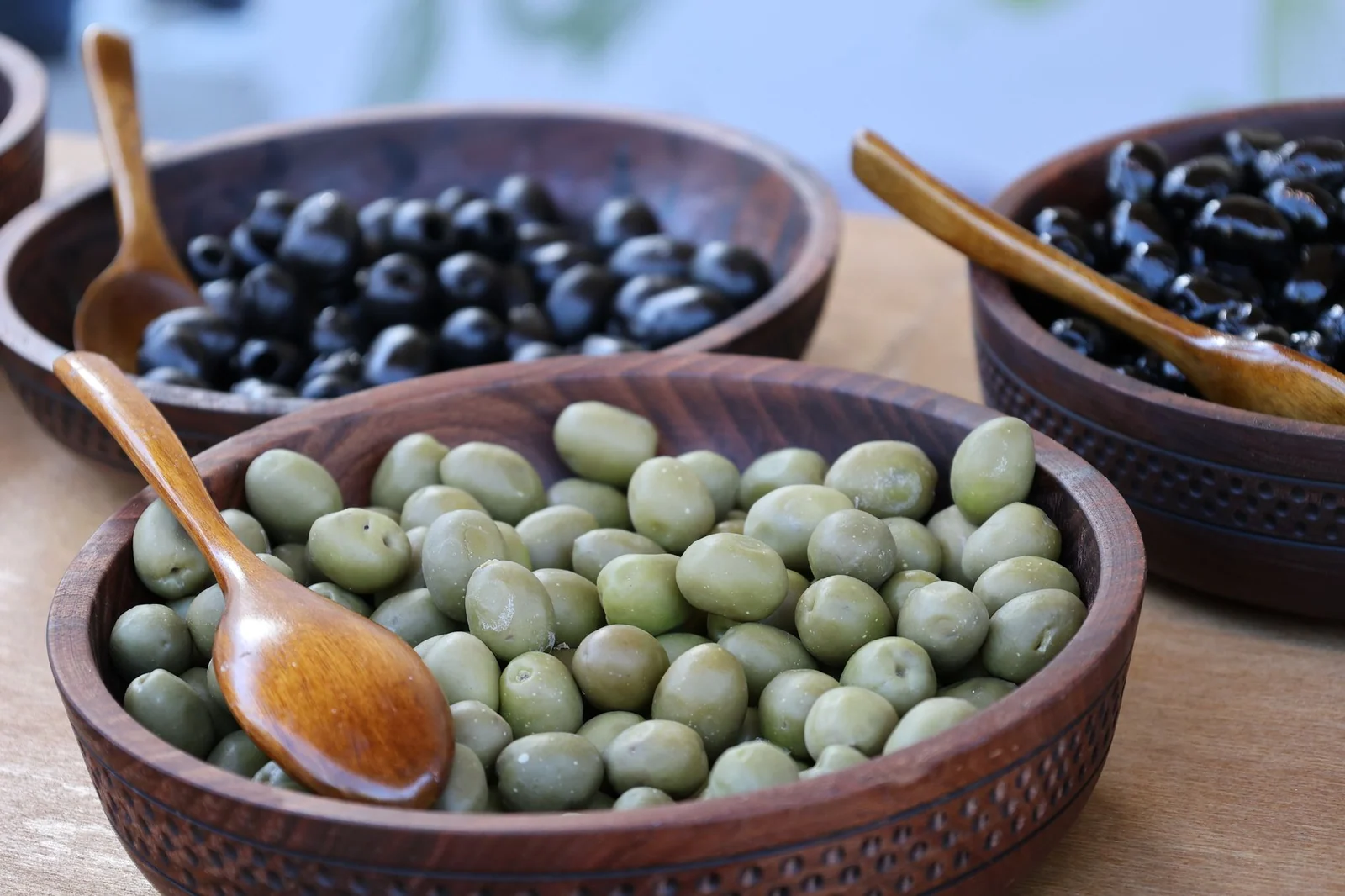
Scored Green Olives, Cured at Home
The sibling of the cracked olive that keeps its shape: the fruit is scored rather than crushed, so debittering takes a little longer but the olive stays whole and firm.
Recipe
Scored Green Olives, Cured at Home
The sibling of the cracked olive that keeps its shape: the fruit is scored rather than crushed, so debittering takes a little longer but the olive stays whole and firm.