🫙 Olive Oil
Olive Oil: A Guide to Extra Virgin, Virgin and Riviera
What is extra virgin olive oil, what does acidity mean, how is cold pressing done, and how do you recognise a good oil? Olive oil grades and storage conditions.
The price gap between bottles on the shelf comes not from the brand but from the grade. Two things determine that grade: how the oil was extracted, and its free acidity.
This section explains the difference between extra virgin, virgin, refined and riviera oil, what the acidity figure on the label actually tells you, how cold pressing works, and what to look for when buying. It also covers how to store an opened bottle — because a good oil turns ordinary within months if kept badly.
 Article
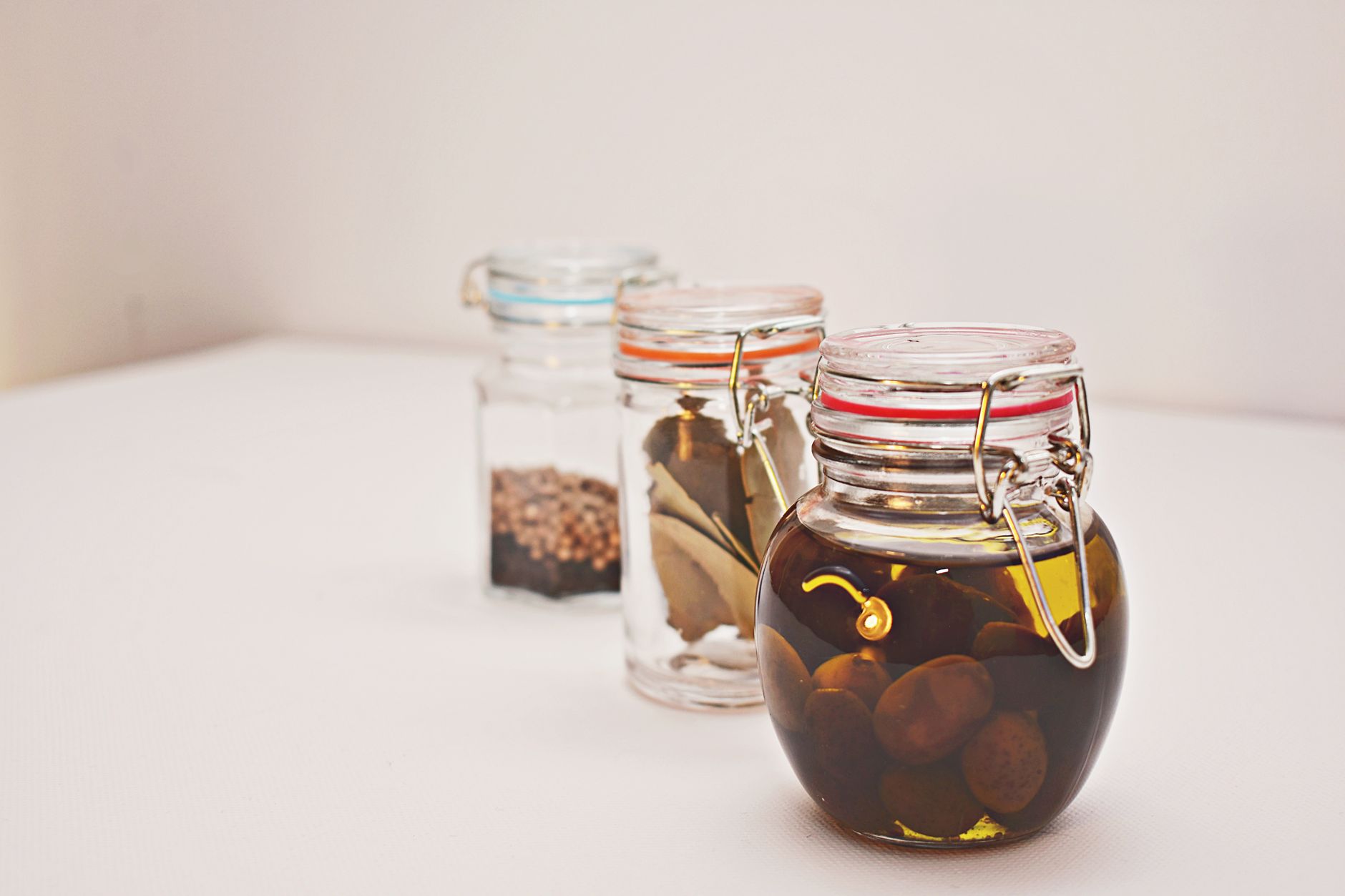
How to Store Olive Oil
Light, heat, air and time — the four enemies of olive oil. Why the bottle next to your stove is in the worst possible place.
Article
How to Store Olive Oil
Light, heat, air and time — the four enemies of olive oil. Why the bottle next to your stove is in the worst possible place.
 Article
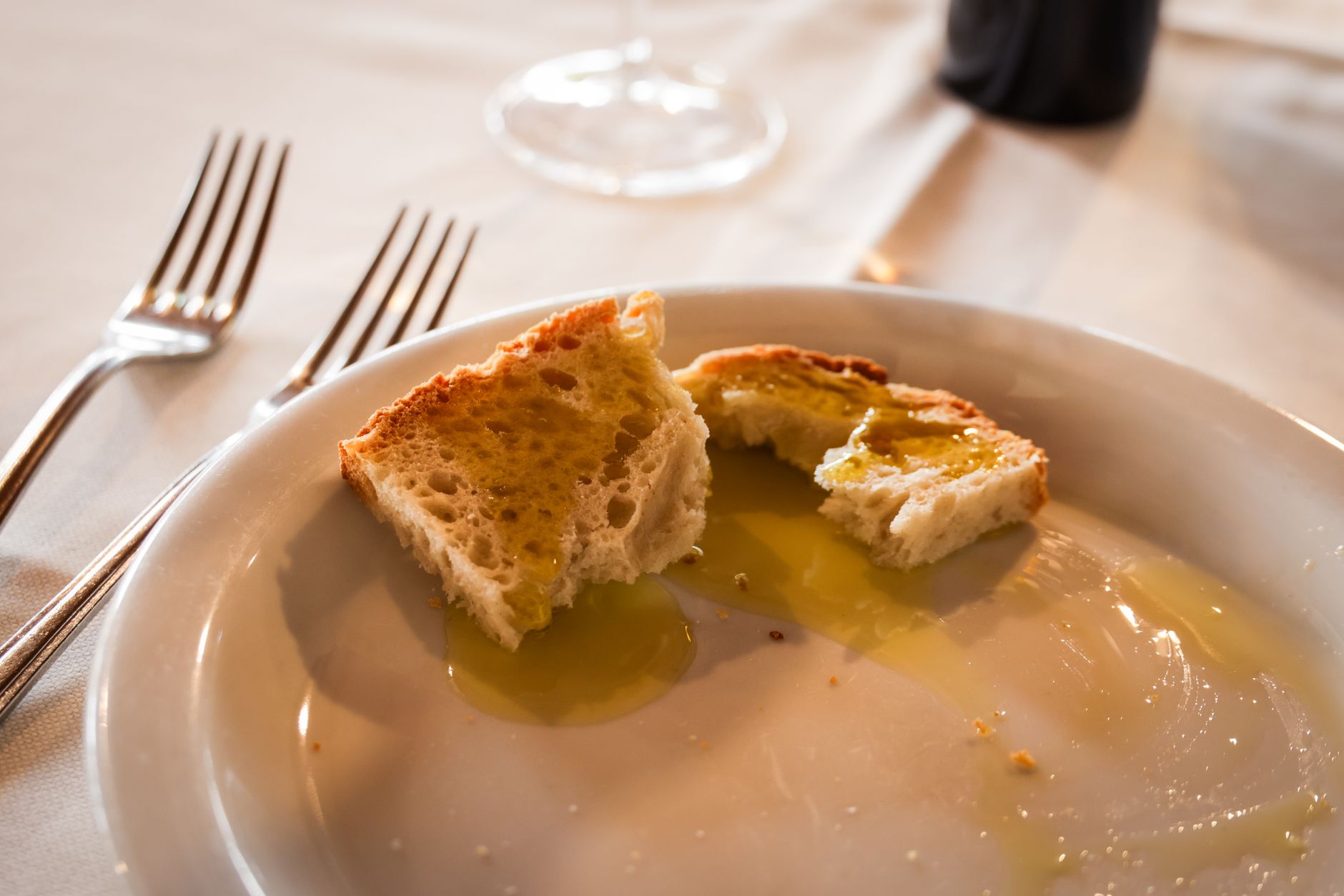
How to Tell Good Olive Oil
Bitterness is a mark of quality, not a defect. Colour tells you nothing. The three attributes tasting panels look for, and a simple test at home.
Article
How to Tell Good Olive Oil
Bitterness is a mark of quality, not a defect. Colour tells you nothing. The three attributes tasting panels look for, and a simple test at home.
 Article
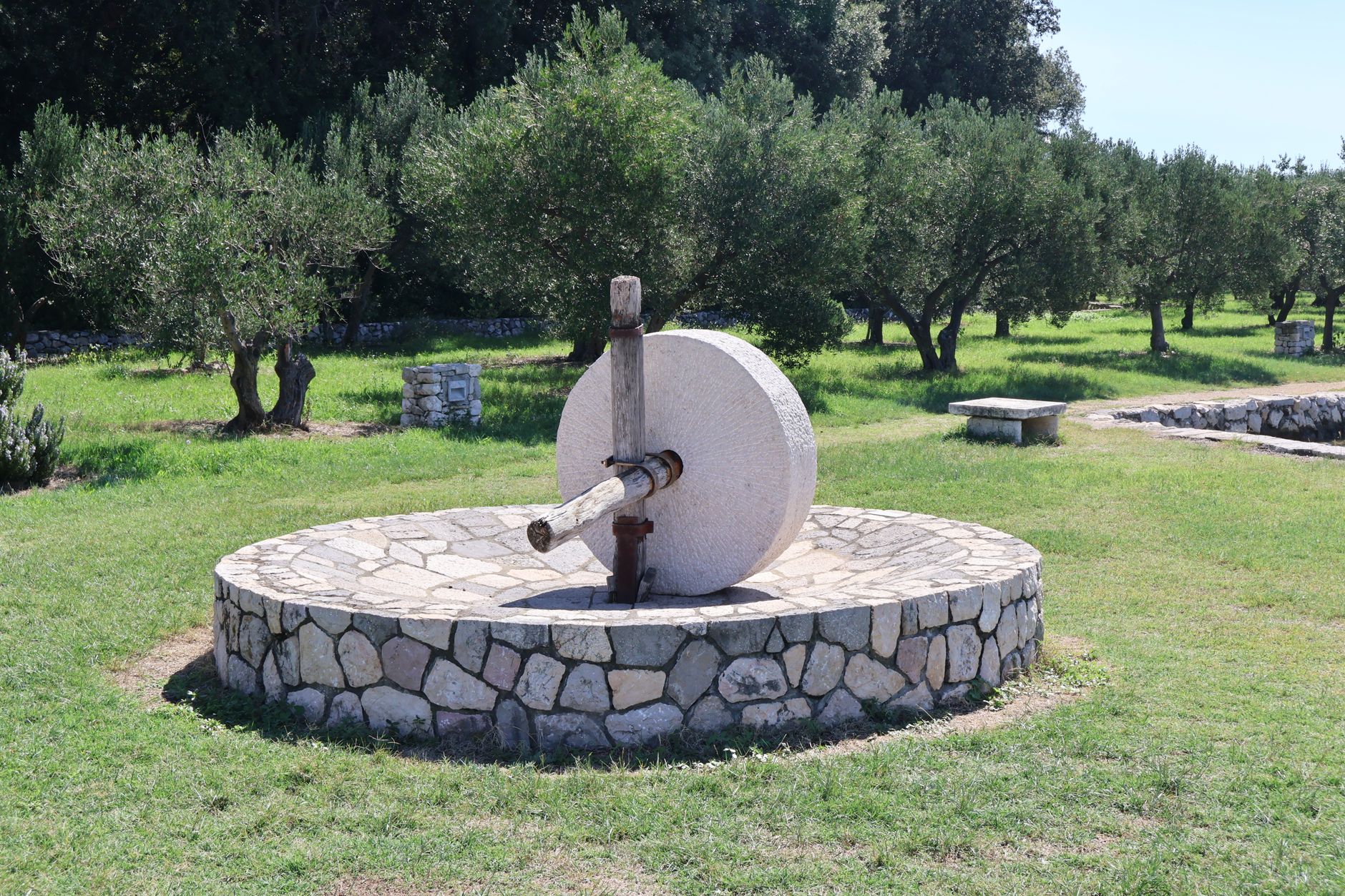
How Cold-Pressed Olive Oil Is Made
From tree to bottle: washing, crushing, malaxation and separation. Why the temperature must stay below 27°C.
Article
How Cold-Pressed Olive Oil Is Made
From tree to bottle: washing, crushing, malaxation and separation. Why the temperature must stay below 27°C.
 Article
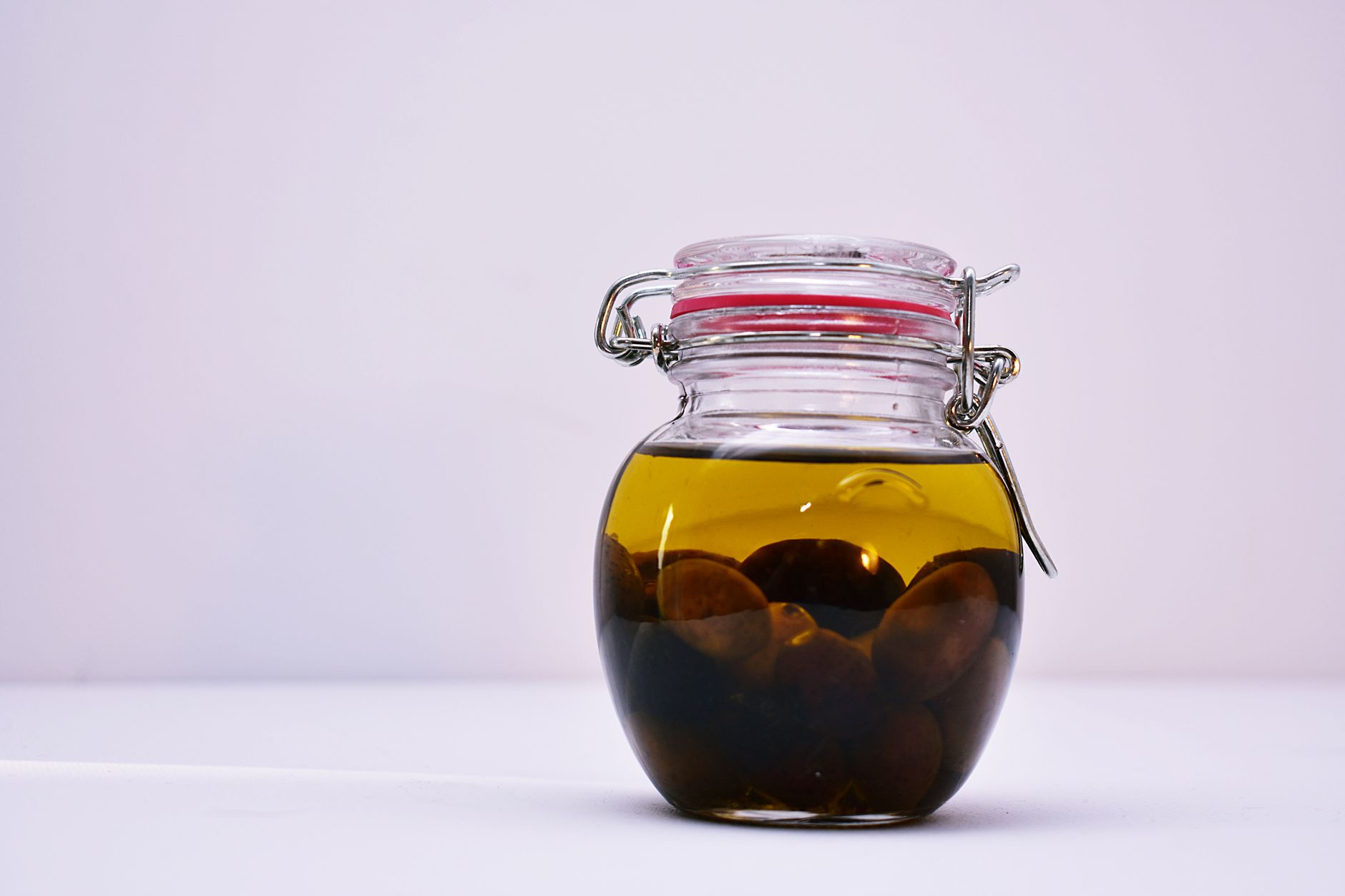
What Does Acidity Mean in Olive Oil?
The 0.3% or 0.8% on the label has nothing to do with sour taste. Acidity tells you the condition of the fruit before pressing.
Article
What Does Acidity Mean in Olive Oil?
The 0.3% or 0.8% on the label has nothing to do with sour taste. Acidity tells you the condition of the fruit before pressing.
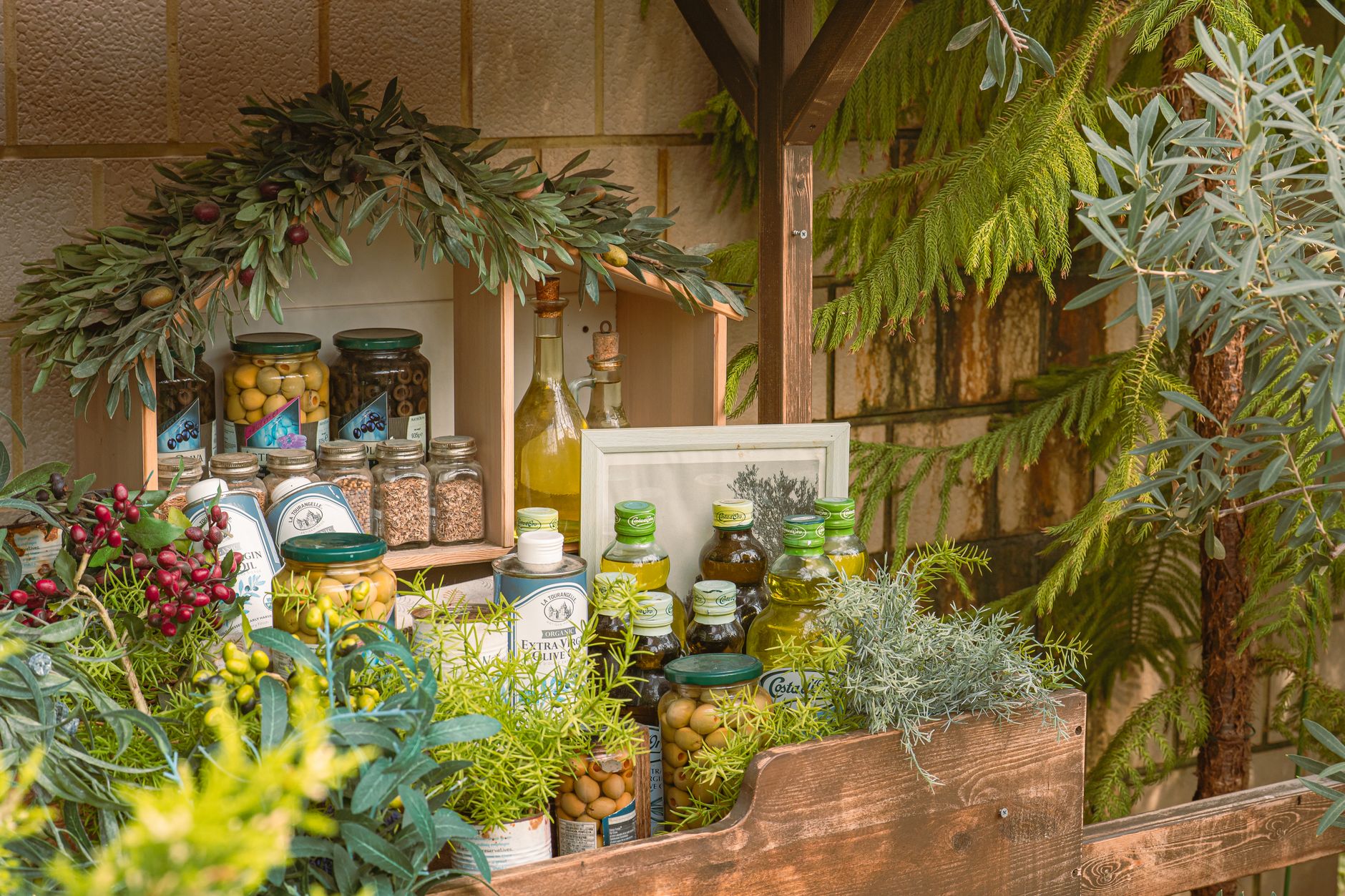 Article
Extra Virgin, Virgin, Riviera: Olive Oil Grades Explained
What do 'extra virgin', 'riviera' and 'refined' mean on the label? The difference lies in the production method and acidity.
Article
Extra Virgin, Virgin, Riviera: Olive Oil Grades Explained
What do 'extra virgin', 'riviera' and 'refined' mean on the label? The difference lies in the production method and acidity.
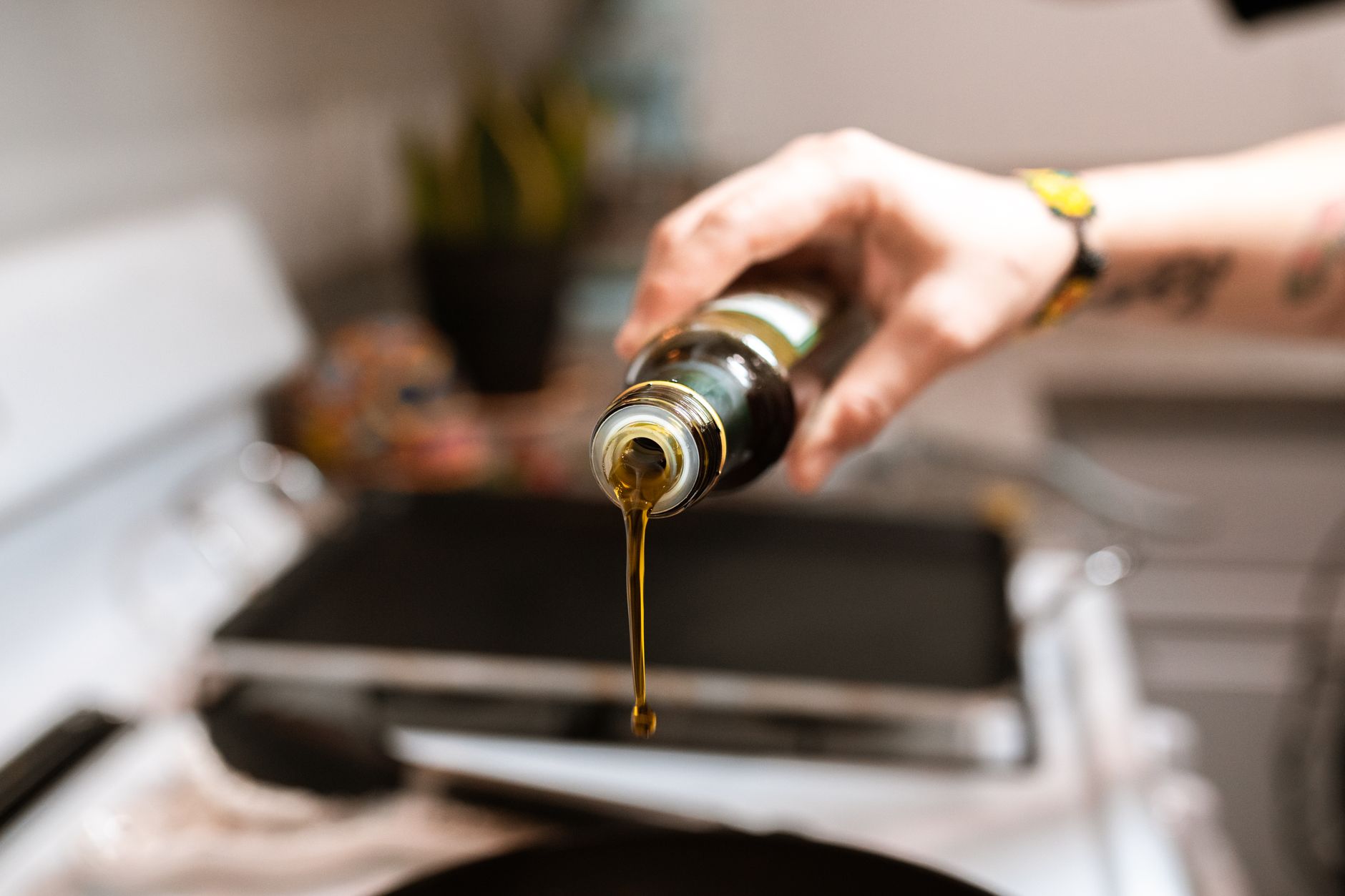 Article
Olive Oil
Olive oil is one of humanity's oldest and most valued foods. This "liquid gold" — once used as currency and sacred object — has become the darling of both the kitchen and health science.
Article
Olive Oil
Olive oil is one of humanity's oldest and most valued foods. This "liquid gold" — once used as currency and sacred object — has become the darling of both the kitchen and health science.