Olive Leaf Tea: How to Make It and Its Limits
Tea from leaves left over after pruning: gathering, drying, brewing — and the health claims worth resisting.
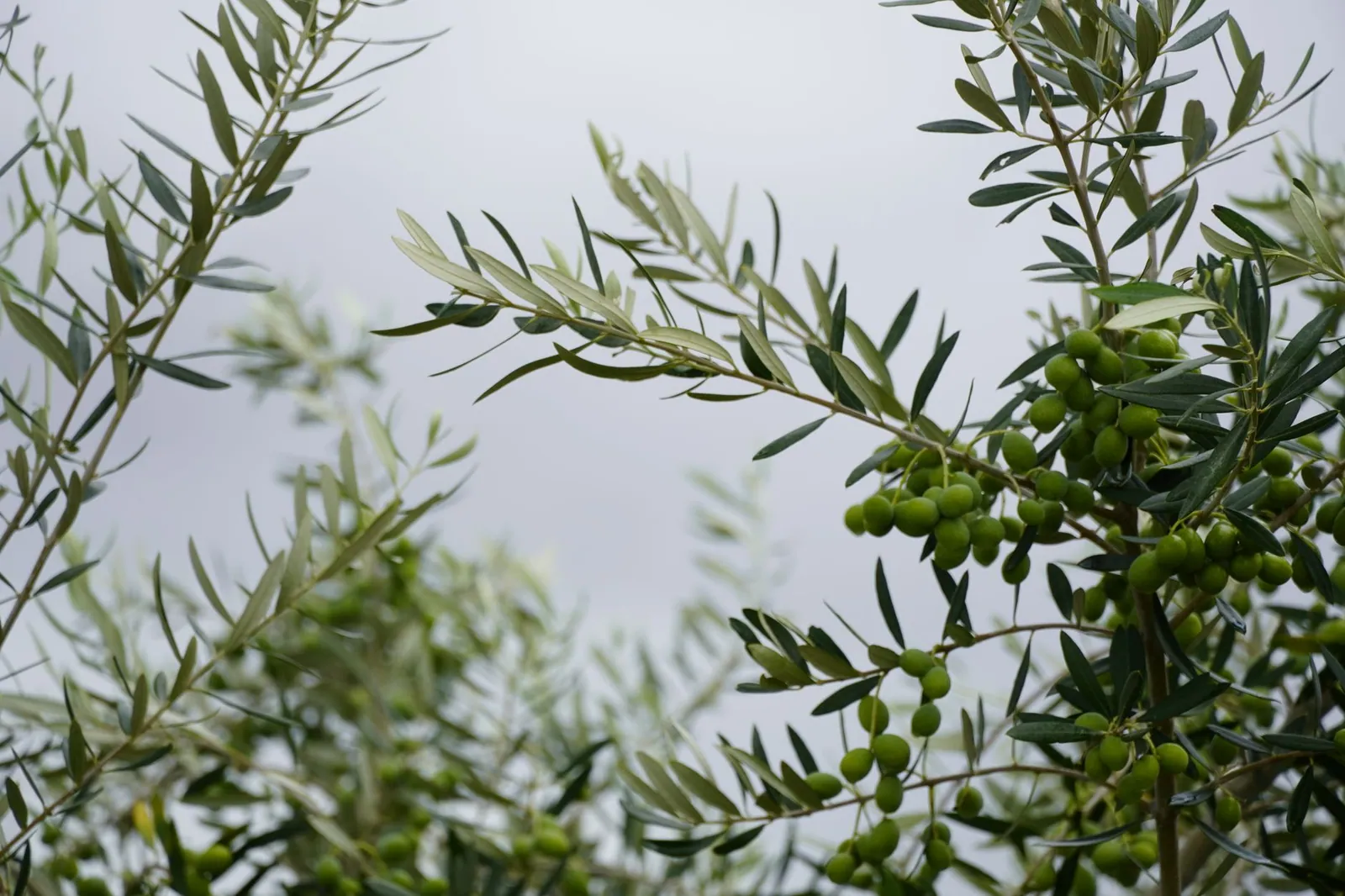
The leaves that come off with every pruning have been put to use around the Mediterranean for centuries. This page covers the practice of turning them into tea — and where the claims stop.
What is in the leaf?
The prominent compound is oleuropein, the same substance that makes raw fruit bitter, and it is more concentrated in the leaf. Alongside it are hydroxytyrosol, tyrosol, verbascoside and flavonoids, all polyphenols.
Gathering and drying
1. Collect the leaves during pruning, preferably in spring
2. Take them from an unsprayed tree — unlike fruit, leaves are not washed and peeled
3. Rinse in cold water to remove dust, then drain
4. Dry them spread thinly in shade, somewhere airy — direct sun breaks down the polyphenols
5. They are dry when they crackle as you crumble them
6. Store in a glass jar away from light
Brewing
Steeping gives a better result than boiling; a long boil brings out bitterness and tannin.
| Step | Measure |
|---|---|
| Leaf | 1 tsp crumbled per 200 ml water |
| Water temperature | Boiled, then rested one minute — about 90 °C |
| Steeping time | 7-10 minutes, covered |
| Taste | Faintly bitter, herbal · a slice of lemon and a little honey round it off |
For summer drinking there is a cold brew: iced olive leaf tea.
⚠ Limits — without overstating
Olive leaf tea is credited online with a long list of effects: lowering blood pressure, strengthening immunity, helping with infections. None of these is a health claim authorised by the European Food Safety Authority.
The only authorised claim concerning the olive belongs to olive oil polyphenols and relates to protecting blood lipids from oxidative stress, conditional on a specific quantity of hydroxytyrosol. See oleocanthal and polyphenols.
Points to keep in mind:
- If you take blood pressure medication, consult your doctor; herbal products can alter drug effects
- The same applies to blood sugar medication
- During pregnancy and breastfeeding, herbal teas should not be taken regularly without medical approval
- A cup or two a day is a sensible limit; more is not better
The information here is general information and not medical advice.
Other uses of the leaf
- Fodder — leaves left from pruning are traditionally fed to sheep and goats
- Extract — sold as a supplement with standardised oleuropein content; use it with your doctor's knowledge
- Compost — leaves and thin prunings are a source of organic matter
Fuller treatment: olive leaf and olive leaf tea.
One rating per visitor; you can change yours at any time. Ratings are real reader votes — no seeded or default scores.
Related
 Article
Olive Leaf and Olive Leaf Tea
The leaves left over from pruning need not be thrown away. What olive leaf contains, how the tea is made, and the limits worth respecting.
Article
Olive Leaf and Olive Leaf Tea
The leaves left over from pruning need not be thrown away. What olive leaf contains, how the tea is made, and the limits worth respecting.
 Article
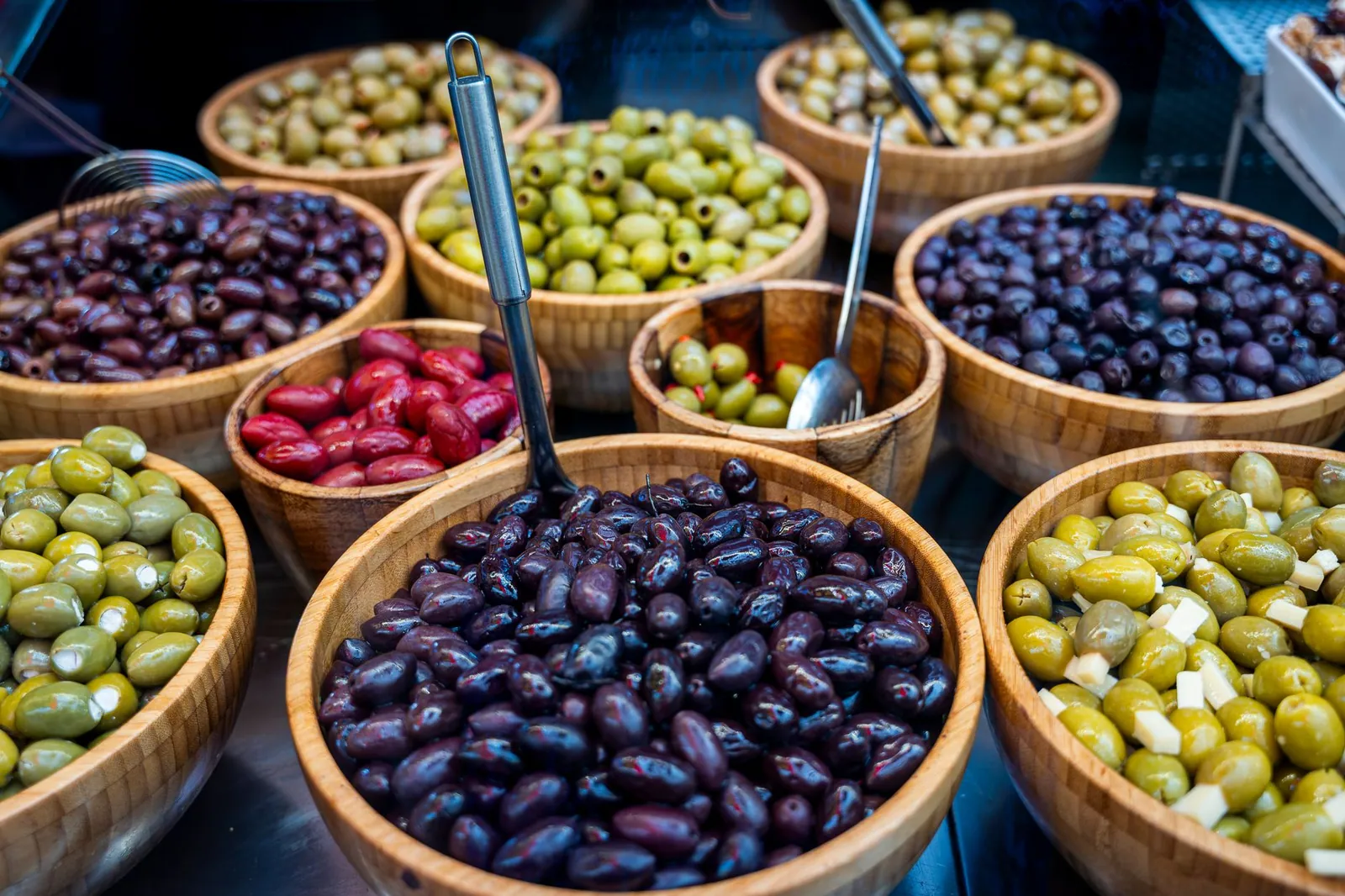
Table Olive Varieties
From Gemlik to Kalamata, Manzanilla to Castelvetrano: the world's best-known table olives and what each is good for.
Article
Table Olive Varieties
From Gemlik to Kalamata, Manzanilla to Castelvetrano: the world's best-known table olives and what each is good for.
 Article
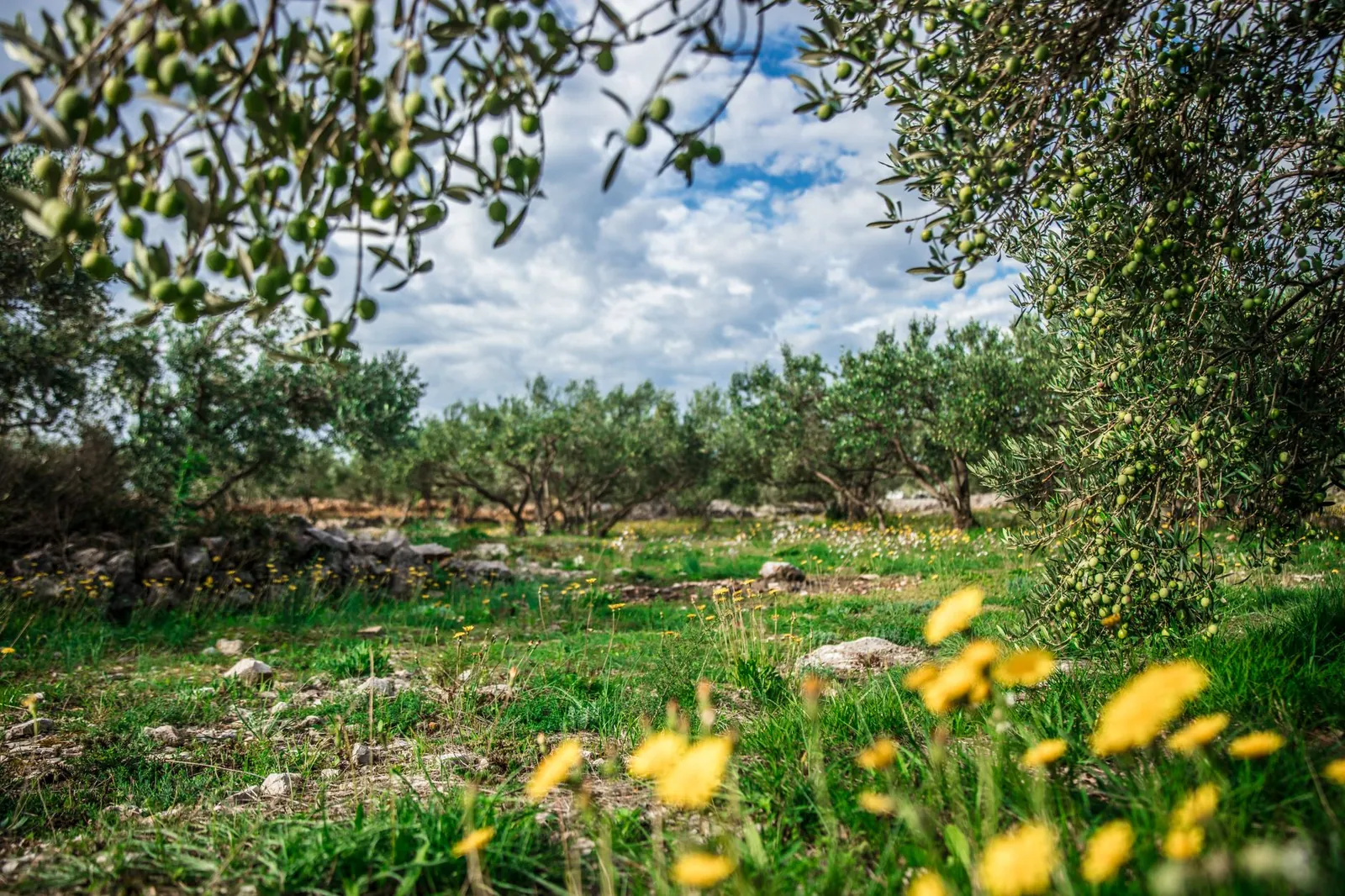
How to Grow an Olive Tree
Soil, climate, watering, pruning and patience. A basic care guide for anyone planting an olive tree.
Article
How to Grow an Olive Tree
Soil, climate, watering, pruning and patience. A basic care guide for anyone planting an olive tree.
 Article
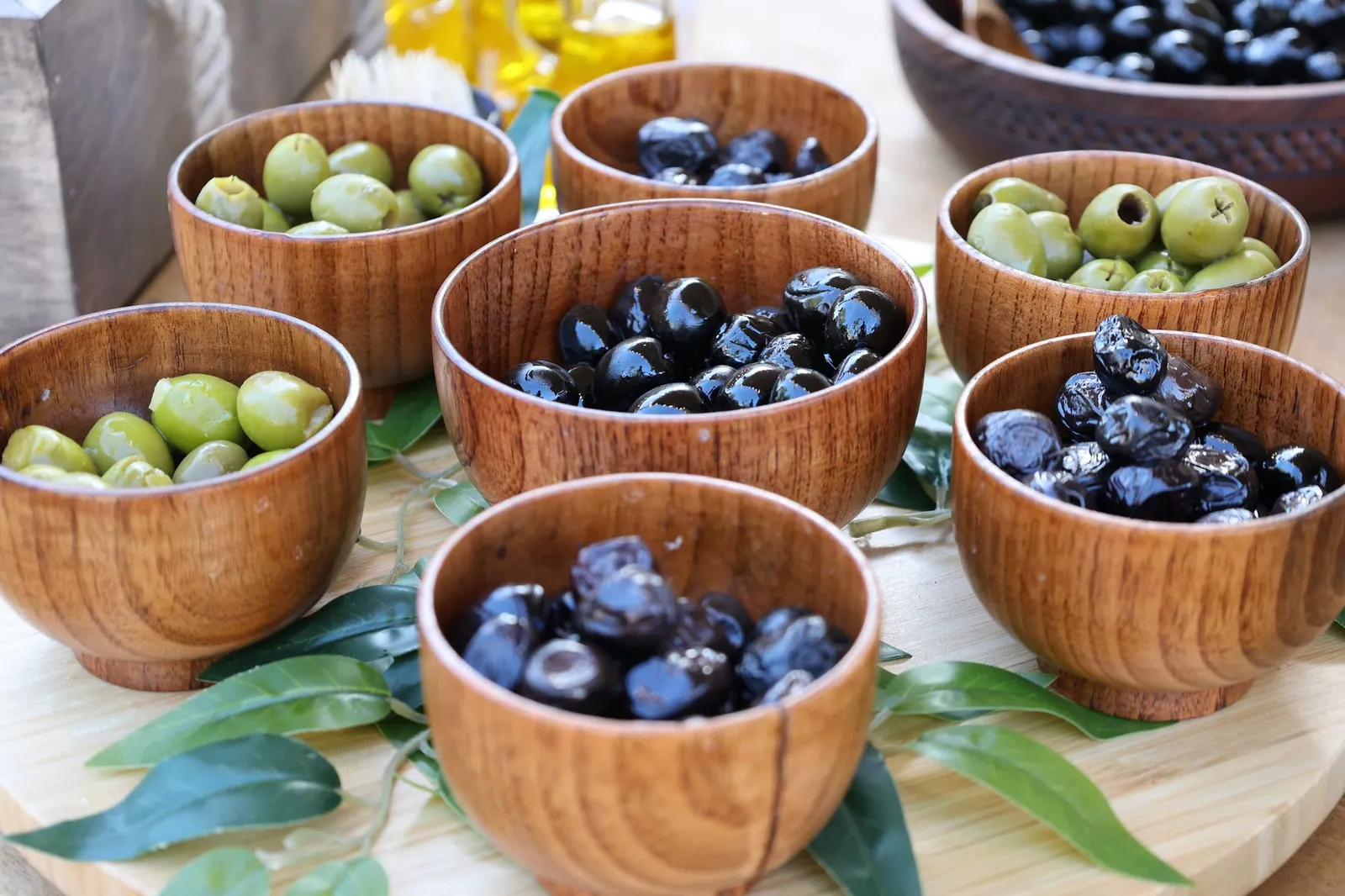
Table Olives: Types, Curing and How to Choose
From green to black, cracked to dry-cured: how table olives are made, chosen and kept.
Article
Table Olives: Types, Curing and How to Choose
From green to black, cracked to dry-cured: how table olives are made, chosen and kept.